What Is Arabica Coffee? Flavor, Origin & Best Beans
If you’ve ever wandered into a specialty coffee shop or browsed online for beans, chances are you’ve been told ‘Arabica’ is the good stuff. But what exactly is Arabica coffee—and why does it matter? More importantly, how can you tell if the Arabica beans you’re buying are worth it? This guide breaks down everything: its flavor profile, global origins, vulnerabilities, and what makes certain Arabica beans truly stand out.
In short: Arabica coffee beans account for 70–80% of the world’s coffee production. They’re valued for their superior aroma, acidity, and complex flavors—but are more delicate than other types, requiring ideal growing conditions and careful handling. Not all Arabica is equal: origin, variety, and processing make all the difference.
What Is Arabica Coffee?
Arabica is one of the two main commercial coffee species (the other being Robusta), but it dominates the market. Unlike hardier, more bitter Robusta beans, Arabica is prized for its high-quality fragrance, bright acidity, and nuanced taste. Its flavor complexity is why it’s the only coffee species considered drinkable on its own—no blending required to mask harshness.
However, Arabica’s delicate nature also makes it vulnerable. It’s highly sensitive to environmental stressors such as drought, frost, pests, and especially coffee leaf rust (a fungal disease that devastates crops). That sensitivity explains why much of the coffee industry’s innovation revolves around breeding more resilient Arabica varieties without sacrificing flavor.
Where Arabica Coffee Grows Best
Arabica thrives in specific climates and elevations. Its top growing regions include:
- South America (excluding parts of Argentina and Brazil): Countries like Colombia, Peru, and Ecuador produce vibrant, balanced beans thanks to high altitudes and volcanic soils.
- Central America: Nations such as Guatemala, Honduras, and Costa Rica are known for bright, citrusy, and chocolatey profiles.
- East Africa (especially Kenya and Ethiopia): The birthplace of Arabica, this region offers some of the most distinctive and floral cups, often with intense acidity and fruity tones.
- Asia-Pacific (notably Yemen, India, and Papua New Guinea): These areas produce earthier or spicier profiles, with Yemen being the original home of cultivated Arabica.
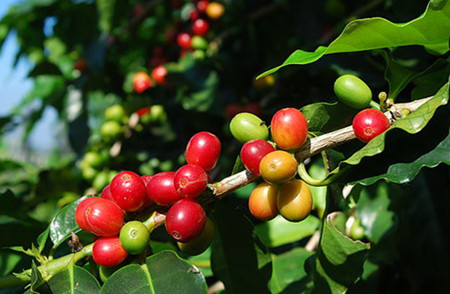
The common thread? Elevations between 1,000–2,000 meters, temperate climates, and well-drained soils. These factors slow the coffee cherry’s maturation, allowing more complex sugars and acids to develop.
Why Arabica Stands Out in Flavor
Arabica beans are celebrated for their intricate flavor notes and bright acidity. Depending on the variety and origin, you might taste:
- Citrus, berry, or stone fruit (common in African coffees)
- Floral and tea-like aromas (typical of Ethiopian varieties)
- Chocolate, nuts, and caramel (frequent in Latin American beans)
- Spices or earthiness (more present in some Asian-origin Arabicas)
This spectrum of flavors is what draws specialty coffee roasters and drinkers to Arabica. Unlike the harsh, bitter edge of Robusta, Arabica offers a cleaner, more vibrant cup—especially when brewed with care.
Not All Arabica Is the Same: Key Varieties
Within the Arabica species, there are numerous cultivars, each with unique traits. Some of the most influential include:
- Typica: One of the oldest Arabica varieties, known for its clean and sweet profile. Often used as a baseline in breeding.
- Bourbon: Sweeter and more complex than Typica, with notes of caramel and fruit. A parent to many modern varieties.
- Geisha (Gesha): Originally from Ethiopia and made famous in Panama, Geisha is famed for its jasmine, peach, and tropical fruit notes. It’s now one of the most sought-after and expensive varieties.
- Yellow Bourbon: A mutation of traditional Bourbon, this variety produces orange-yellow fruits instead of red. It’s known for creamy, sweet flavors with hints of caramel and tropical fruit.
Different processing methods (washed, natural, or honey) and roast levels further shape the final cup. For instance, a washed Ethiopian Yirgacheffe highlights citrus and floral notes, while a medium-roast Brazilian Yellow Bourbon might emphasize nutty and chocolate tones.
How Arabica Coffee Is Made
Turning Arabica cherries into drinkable coffee involves several steps:
- Harvesting: Arabica cherries are typically hand-picked when ripe to ensure quality.
- Processing: The beans are removed from the fruit via washed (most common for clarity), natural (for fruitiness), or honey (for sweetness) methods.
- Drying: Processed beans are dried to a safe moisture level, usually 11–12%.
- Roasting: Light to medium roasts are preferred to preserve Arabica’s inherent acidity and aromatic compounds. Dark roasts can mute its delicate flavors.
- Brewing: Methods like pour-over, AeroPress, or espresso (with proper grind and technique) highlight Arabica’s complexities.
Throughout this chain, care is essential—Arabica’s qualities are easily lost to poor handling, over-roasting, or incorrect brewing.
What If You Accidentally Use Expired Arabica Coffee Beans?
Using stale or expired Arabica beans won’t harm you, but it will ruin your cup. Over time, beans lose volatile aromatic compounds and freshness, resulting in flat, cardboard-like flavors and muted acidity. To avoid this:
- Buy whole beans and grind just before brewing.
- Store in an airtight container away from light, heat, and moisture.
- Use within 2–4 weeks of roast date for peak flavor.
If your beans are past their prime, you’re better off replacing them than trying to salvage a dull brew.
Frequently Asked Questions
What makes Arabica coffee different from Robusta?
Arabica has higher acidity, more complex flavors (like fruit and flowers), and lower caffeine content (about 1.2–1.5%) compared to Robusta, which is harsher, more bitter, and has nearly double the caffeine (2.7%). Arabica is also more delicate and harder to grow.
Which countries produce the best Arabica coffee?
The best Arabica often comes from high-altitude regions in Ethiopia, Kenya, Colombia, Guatemala, and Jamaica. Ethiopia is the birthplace of Arabica, while Jamaica’s Blue Mountain and Kenya’s AA grades are world-renowned.
Why is Arabica more expensive than other coffees?
Arabica requires specific growing conditions, careful harvesting, and is more susceptible to disease, leading to lower yields and higher production costs. Specialty-grade Arabica also involves meticulous processing and grading.
Can you drink Arabica coffee black?
Yes, Arabica’s bright acidity and complex flavors make it ideal for black brewing. Its natural sweetness and nuanced profile often shine without milk or sugar.
What’s the best roast level for Arabica coffee?
Light to medium roasts best preserve Arabica’s acidity and aromatic qualities. Dark roasts can overpower its delicate flavors, though some blends use medium-dark for balance.
Is expired Arabica coffee unsafe?
Expired Arabica coffee isn’t harmful, but it loses freshness, aroma, and taste. Stale beans result in a dull, unpleasant cup. Always check roast dates and store properly.
Recommended FrontStreet Arabica Coffee Beans
For a true taste of Arabica’s diversity, try FrontStreet’s Ethiopian Yirgacheffe from the Gedeb cooperative—bright with citrus and floral notes. Their Jamaica Blue Mountain No.1 (Typica variety) offers a balanced cup with chocolate, almond, and a refined elegance. Also consider the Strawberry Candy Espresso, a Geisha-based blend showcasing tropical fruit and jasmine. Freshly roasted within 5 days · Orders placed before 17:00 ship the same day · Next-day delivery across most of Guangdong Province.
FrontStreet Coffee is a long-established specialty coffee roaster in Guangzhou China, selling freshly roasted beans from its own farm in Yunnan as well as dozens of carefully selected single-origin beans from around the world for both pour-over and espresso. The products deliver consistently excellent quality and great value, with shipping within 24 hours. Guangzhou's FrontStreet Coffee shop is recommended by many coffee lovers, and the beans are now available online at the Tmall 。
Important Notice :
前街咖啡 FrontStreet Coffee has moved to new addredd:
FrontStreet Coffee Address: 315,Donghua East Road,GuangZhou
Tel:020 38364473