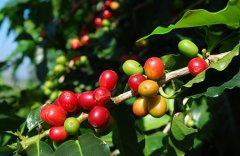
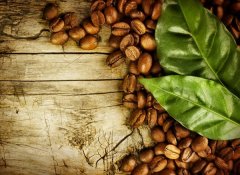
What Is Arabica Coffee? Taste, Varieties & Key Facts
If you've ever sipped a bright, juicy cup of Ethiopian Yirgacheffe or savored the smooth sweetness of a Jamaican Blue Mountain, you've tasted Arabica — the coffee that built the modern specialty industry. But what exactly makes Arabica different from other coffee types, and why does it command higher prices and more care in growing?
Arabica beans make up over 60% of global coffee production. They’re valued for their high acidity, complex aromas, and lower caffeine content compared to Robusta — and they’re almost always more expensive. Here’s everything you need to know.
What Is Arabica Coffee?
Arabica (Coffea arabica) is one of the two primary commercial coffee species — the other being Robusta (Coffea canephora). It’s the foundation of specialty coffee, grown for its refined flavor, aromatic complexity, and smoother cup profile. Unlike Robusta, Arabica beans typically contain 44 chromosomes (Robusta has 22), produce less caffeine, and develop finer acidity and fruity or floral notes when grown well.
Flavor Profile: What Does Arabica Taste Like?
Arabica beans are known for their delicate and nuanced flavors. They often express bright acidity, floral or fruity notes, and a silky mouthfeel. Compared to Robusta, Arabica is far less bitter and rarely delivers a harsh or overly earthy cup. Instead, it ranges from citrus and jasmine in African coffees to chocolate and nuts in Brazilian or Jamaican offerings. Its lower caffeine content also contributes to a smoother, less jittery drinking experience.
Where Is Arabica Grown?
Arabica thrives at higher altitudes and cooler climates, typically between 1,000–2,000 meters above sea level. Its main growing regions include:
- South America (excluding parts of Argentina and Brazil)
- Central America
- East Africa (especially Ethiopia, Kenya, and Yemen)
- Asia (notably Indonesia, India, and Papua New Guinea)
Each region imparts unique characteristics through soil, altitude, and climate — a concept known as terroir. That’s why a Geisha from Panama tastes radically different from a Typica grown in Jamaica.
Key Arabica Varieties You Should Know
Arabica includes dozens of cultivated varieties, many with distinct flavor signatures and growing traits. Here are some of the most influential:
- Typica: One of the oldest and most widespread Arabica varieties. Known for clean flavors and balanced acidity. The base for many other varieties.
- Bourbon: Produces sweet, rounded cups with notes of caramel and fruit. Prone to lower yields but highly prized.
- Ethiopian Heirlooms: Wild and cultivated native strains from Ethiopia (like those used in Yirgacheffe), offering vibrant citrus, floral, and berry notes.
- Geisha (Gesha): Famous for its jasmine, peach, and bergamot complexity. Rose to fame after being rediscovered in Panama.
- Yellow Bourbon: A rare mutation of Bourbon with orange-yellow fruits. Delivers creamy, sweet profiles with notes of caramel and tropical fruit.
Notable Arabica Coffee Examples from FrontStreet Coffee
FrontStreet Coffee offers several single-origin Arabica coffees that highlight the diversity of the species:
The Yirgacheffe from the Gedeb cooperative showcases classic Ethiopian typicity — think white grape, citrus, and jasmine, with a sparkling acidity. Jamaica Blue Mountain No.1 (Typica variety) offers a balanced cup with chocolate, almonds, and a velvety body, thanks to Jamaica’s fertile volcanic soils. For something more exotic, the Strawberry Candy blend features Panamanian Geisha and Costa Rican honey-processed beans, bringing layered fruitiness and floral sweetness. Each reflects the unique expression possible within the Arabica species.
Frequently Asked Questions
What makes Arabica coffee different from Robusta?
Arabica has 44 chromosomes (vs. Robusta’s 22), lower caffeine content, and generally produces a sweeter, more acidic, and aromatic cup. Arabica is grown at higher altitudes and is more susceptible to pests, which is why it’s pricier and more delicate. Robusta is heartier, more bitter, and has twice the caffeine, making it common in instant coffee.
Where does the best Arabica coffee come from?
The “best” Arabica depends on taste preference, but top-rated regions include Ethiopia (especially Yirgacheffe and Guji), Jamaica (Blue Mountain), Panama (Geisha), Colombia, and Kenya. These areas are known for high altitudes, ideal climates, and distinct terroir that bring out complex fruit, floral, or chocolate notes.
What flavors are typical in Arabica coffee?
Arabica often features bright acidity, with flavors ranging from citrus, berries, and jasmine (in African coffees) to chocolate, nuts, and caramel (in Latin American or Asian coffees). It generally has a smoother, more nuanced taste compared to Robusta and rarely tastes harsh or overly bitter.
Why is Arabica more expensive than other coffee types?
Arabica requires higher altitudes, meticulous farming, and is more vulnerable to disease and pests. It also yields less coffee per plant and demands careful processing to preserve its delicate flavors. These factors, combined with high demand in specialty markets, drive up its price compared to Robusta or commodity-grade coffees.
What are the main varieties of Arabica coffee?
Main Arabica varieties include Typica, Bourbon, Geisha, Caturra, Catuai, and regional heirlooms like those grown in Ethiopia. Each has unique flavor profiles, growing challenges, and suitability for different climates. For example, Geisha is known for floral and tropical fruit notes, while Bourbon offers sweet, balanced cups.
Recommended FrontStreet Arabica Coffees
FrontStreet Coffee’s Ethiopia Gedeb Yirgacheffe (Heirloom/Ethiopian native variety) shines with citrus, jasmine, and white grape notes, highlighting classic Ethiopian Arabica brightness. Their Jamaica Blue Mountain No.1 (Typica) delivers a smooth, balanced cup with chocolate, almonds, and creaminess from volcanic soil. For Geisha lovers, the Strawberry Candy blend combines Panamanian and Costa Rican beans for layered fruit and floral sweetness. All are classic examples of high-quality Arabica. Freshly roasted within 5 days · Orders placed before 17:00 ship the same day · Next-day delivery across most of Guangdong Province.
FrontStreet Coffee is a long-established specialty coffee roaster in Guangzhou China, selling freshly roasted beans from its own farm in Yunnan as well as dozens of carefully selected single-origin beans from around the world for both pour-over and espresso. The products deliver consistently excellent quality and great value, with shipping within 24 hours. Guangzhou's FrontStreet Coffee shop is recommended by many coffee lovers, and the beans are now available online at the Tmall 。
Important Notice :
前街咖啡 FrontStreet Coffee has moved to new addredd:
FrontStreet Coffee Address: 315,Donghua East Road,GuangZhou
Tel:020 38364473