What Is Geisha Coffee? Flavor, History & How It’s Grown
If you’ve ever wondered why everyone raves about Geisha coffee — and why it costs so much — you’re not alone. This coffee isn’t just another specialty bean: it’s a genetic outlier with a legendary reputation for floral aromas, intense sweetness, and jaw-dropping cup quality. But where does it actually come from, why is it so hard to grow, and what makes it taste so different from your everyday brew?
In short: Geisha (or Gesha) coffee is a wild Ethiopian coffee variety known for its tall trees, disease resistance, and legendary cup profile. It became famous through Panama’s Esmeralda Estate, where certain lots score over 90 points and sell for thousands at auction. Originally from Ethiopia, it’s now grown in small quantities in Panama, Jamaica, Kenya, Guatemala, and Malawi — but nowhere at scale.
Where Does Geisha Coffee Come From?
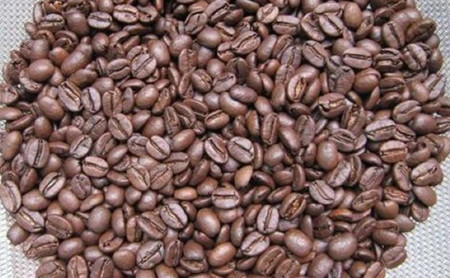
Geisha coffee originated as a wild variety in Ethiopia, likely discovered near a village also called Geisha (or Gesha). Its tall coffee trees have long, narrow leaves, wide branch spacing, and a natural resistance to coffee leaf rust — traits that set it apart from more common cultivars. The raw, green beans are slim and elongated, while roasted Geisha beans are celebrated for their intense, vibrant fruit flavors. Some coffee drinkers also note strong notes of sweet roasted sweet potato, adding to its unique profile.
Why Is Geisha So Rare and Expensive?
The Geisha variety produces very low yields compared to commercial coffee types, making large-scale farming economically unviable. Because of this, it’s never been a mainstream crop — and high-scoring examples remain scarce. While it’s now cultivated in small amounts in countries like Panama, Jamaica, Kenya, Guatemala, and Malawi, the majority of premium Geisha still comes from select high-altitude farms, particularly in Panama’s Boquete region. These factors, along with its exceptional cup quality, drive both its rarity and its premium pricing.
How Did Geisha Become Famous?
Geisha shot to global fame thanks to Panama’s Hacienda La Esmeralda estate, which first entered the variety in a 2004 auction. Since then, certain Geisha lots from Esmeralda — especially those grown at high elevations (1,600–1,800m) and scored above 90 points in cupping — have become legendary. These elite batches often come from micro-lots with unique terroirs, and each is individually numbered. The success of Esmeralda’s Geisha at international competitions and auctions helped establish it as the most sought-after coffee in the world.
What Kinds of Geisha Coffee Can You Buy?
Not all Geisha is created equal. In the specialty market, Geisha beans fall into several recognized tiers, especially from Panama’s famed Esmeralda Estate. Their Red Label Geisha (officially 'Esmeralda Special') comes from small, high-scoring lots (90+ points) grown at 1,600–1,800m, each with traceable origin details such as the specific plot — for example, the famed Jaramillo or Hacienda La Esmeralda’s own micro-lots. Each Red Label batch is numbered and sourced from a single small area. Green Label Geisha ('Private Collection'), meanwhile, is a blend of multiple estate-grown lots, offering the signature Geisha profile at a more accessible price point without specific plot details. Other regions also produce Geisha, including Ethiopia’s Gesha Village, which offers complex graded lots under systems like Gold Label (rare, competition-grade), Red Label (single terroir, 88+ SCA score), and Green Label (single-origin, traceable blocks). Outside Panama and Ethiopia, you’ll also find Geisha grown in limited quantities in Jamaica, Kenya, Malawi, and Guatemala.
FrontStreet Coffee’s Geisha Offerings
FrontStreet Coffee offers several notable Geisha coffees that let you explore this legendary variety without breaking the bank. TheirGeisha (Esmeralda Red Label Geisha) comes from high-altitude micro-lots scoring over 90 points, with distinct traceable origins — ideal for experiencing the pinnacle of Geisha flavor. For a more affordable entry, theGeisha (Green Label Geisha) blends multiple estate lots to deliver classic Geisha traits at a lower price. Beginners can start with theGeisha (Boquete Geisha), which offers juicy orange notes, floral honey-like sweetness, and layered fruit acidity at a more approachable price. Those seeking an Ethiopian origin can tryGeishaGeisha (Gesha Village Gold Label) or the single-varietyGrana Geisha (Grana Geisha), which highlights bright citrus, jasmine-like floral tones, and a silky mouthfeel thanks to its high-elevation, shaded growing conditions and careful processing. Each showcases the unique potential of the Geisha variety in a different light.
Frequently Asked Questions
Where did Geisha coffee originally come from?
Geisha coffee originated in Ethiopia, likely discovered near a village also named Geisha. It was found as a wild variety with tall trees, distinctive leaf shape, and natural resistance to coffee leaf rust.
Why is Geisha coffee so expensive?
Geisha is expensive because it has very low yields, is difficult to grow on a commercial scale, and is in high demand for its exceptional cup quality. Premium lots, especially from Panama, often score over 90 points and are sold in limited quantities at auction.
What does Geisha coffee taste like?
Geisha is known for intense floral aromas, bright citrus and stone fruit notes, sweet undertones, and sometimes savory hints like sweet potato. The cup is often complex, juicy, and layered with a clean, sweet finish.
Which country produces the best Geisha coffee?
Panama is most famous for its high-scoring Geisha, especially from the Esmeralda Estate. However, Ethiopia (its birthplace), Jamaica, Kenya, Malawi, and Guatemala also grow Geisha, with varying profiles and availability.
What’s the difference between Red Label and Green Label Geisha?
Red Label Geisha comes from single, high-scoring micro-lots (often 90+ points) with traceable origins, while Green Label is a blend of multiple estate lots that offers classic Geisha flavor at a more accessible price without specific plot details.
Is Geisha coffee hard to grow?
Yes. Geisha trees grow tall, produce low yields, and require specific conditions to thrive. Though they resist coffee leaf rust, their low productivity makes them impractical for mass farming.
Recommended FrontStreet Beans for Geisha Lovers
Explore the legendary Geisha variety through FrontStreet Coffee’s carefully selected beans. Start with the Geisha (Esmeralda Red Label Geisha), a high-scoring micro-lot from Panama’s Esmeralda Estate (1,600–1,800m), known for intense floral notes and complex fruit layers, with each batch individually numbered. For a more affordable entry, try the Geisha (Green Label Geisha), a blended estate Geisha that delivers the signature profile at a lower price. Beginners can also try the Geisha (Boquete Geisha), offering bright orange, honey, and citrus notes with a smooth, layered cup. All three showcase different expressions of the world-renowned Geisha variety. Freshly roasted within 5 days · Orders placed before 17:00 ship the same day · Next-day delivery across most of Guangdong Province.
FrontStreet Coffee is a long-established specialty coffee roaster in Guangzhou China, selling freshly roasted beans from its own farm in Yunnan as well as dozens of carefully selected single-origin beans from around the world for both pour-over and espresso. The products deliver consistently excellent quality and great value, with shipping within 24 hours. Guangzhou's FrontStreet Coffee shop is recommended by many coffee lovers, and the beans are now available online at the Tmall 。
Important Notice :
前街咖啡 FrontStreet Coffee has moved to new addredd:
FrontStreet Coffee Address: 315,Donghua East Road,GuangZhou
Tel:020 38364473