Caturra: The Natural Bourbon Mutation You Should Know
If you’ve spent any time reading about specialty coffee, you’ve likely seen a string of names thrown around: Bourbon, Yellow Bourbon, Caturra, Catuai, Typica. They sound like coffee royalty — and in a way, they are. But what’s the difference? And why does one matter more than another when it comes to taste and growing? Let’s start with Caturra, one of the most widely planted mutations in Latin America.
Caturra is a natural mutation of the Bourbon variety, first found in Brazil in 1937. It’s much shorter than Bourbon, making picking easier, and while it inherited some of Bourbon’s traits, it produces more fruit per tree. However, it’s less disease-resistant and doesn’t perform well in Brazil’s low-altitude conditions.
What Is Caturra and Where Does It Come From?
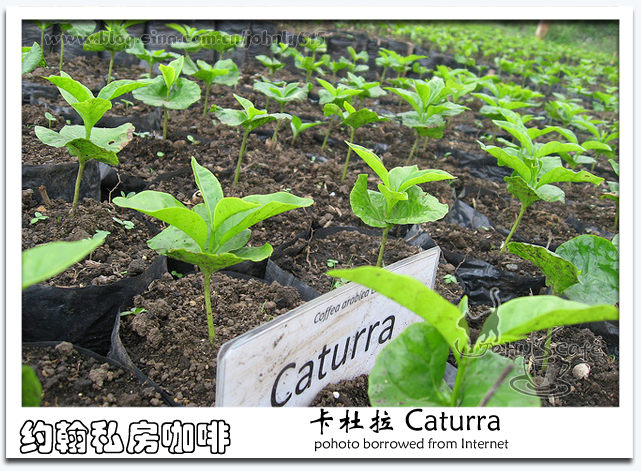
Caturra is classified as a natural mutation of the Bourbon coffee variety, which itself originated on the island of Bourbon (now Réunion) before spreading to Brazil and beyond. Discovered in Brazil in 1937, Caturra quickly caught attention due to its compact growth habit. Unlike the taller Bourbon tree, Caturra is a dwarf variety, standing significantly shorter. This makes it easier to harvest by hand, a key trait for many coffee-growing regions.
Despite being discovered in Brazil, Caturra doesn’t thrive particularly well there. The country’s lower growing altitudes and warmer climate aren’t ideal for this particular mutation. As a result, Caturra never achieved large-scale cultivation in its country of origin. Instead, it found a much better home in Central America — countries like Colombia, Costa Rica, and Nicaragua have extensively planted Caturra, where the elevation and climate suit it far better.
Why Caturra Grows Better at Higher Altitudes
One of the defining characteristics of Caturra is its relationship with altitude. Generally, the higher the altitude at which Caturra is grown, the better the cup quality — though yield tends to decrease at those heights. At optimal elevations, typically above 1,200 meters, Caturra develops more complex flavors thanks to slower maturation caused by cooler temperatures and thinner air.
However, growing Caturra at high altitudes doesn’t come without trade-offs. While you gain in cup quality, the overall yield per tree tends to be lower compared to planting it at mid-elevations. This balance between quality and quantity is one reason why Caturra is favored in certain microclimates but not universally adopted.
What Does Caturra Taste Like?
Caturra’s flavor profile is often described as brighter and more acidic than its parent, Bourbon. When lightly roasted, it tends to express clear and vibrant acidity, with a cup that can be quite lively and sweet under the right processing methods. However, it usually lacks the body and rounded mouthfeel that Bourbon is known for. Some roasters find the cup slightly less “clean” or refined compared to other premium varieties.
Its brightness and moderate sweetness make Caturra a common component in blends aimed at clarity and approachability. It’s valued for its ease of cultivation (thanks to its small size) and decent cup complexity when grown in the right conditions.
The Color Variants: Red and Yellow Caturra
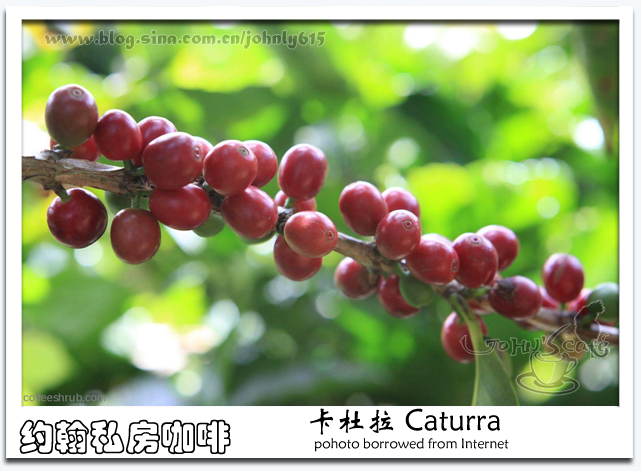
Like many coffee varieties, Caturra most commonly produces red fruit — hence the term “red Caturra.” However, there’s also a rare yellow-fruited variant known as yellow Caturra. This variant is not widely planted, but it does exist in small quantities. One notable example is in Hawaii, where a tiny amount of yellow Caturra is cultivated. These color differences are similar to those seen in other Bourbon-derived varieties, such as Red Bourbon and Yellow Bourbon.
Red Caturra is by far the dominant type worldwide, and it’s the version most commonly encountered in coffee regions across Central and South America.
How Caturra Compares to Its Parent, Bourbon
Bourbon, the parent variety of Caturra, is known for its broader leaves, denser growth habit, and slightly higher yield — around 30% more than Typica. Bourbon beans are typically rounder and produce a cup with moderate acidity and good sweetness, but they are also more susceptible to disease. Caturra, while sharing Bourbon’s genetic lineage, diverges notably in plant structure and growing behavior.
Bourbon tends to grow taller, making it harder to harvest, and is similarly prone to disease. However, it typically offers more body and a rounder mouthfeel than Caturra. Both varieties are sensitive to environmental stress and require careful farming practices to thrive.
Where You’ll Find Caturra Today
Caturra is extensively planted in Central American countries including Colombia, Costa Rica, and Nicaragua. Its small tree size, combined with relatively good cup quality at altitude, has made it a favorite among farmers seeking a balance between manageability and flavor potential. Though it originated in Brazil, the country never widely adopted Caturra due to its poor adaptation to local growing conditions.
In regions where altitude and climate align — especially those above 1,200 meters — Caturra can produce cups with notable brightness and moderate complexity. It’s often used both as a single-origin offering and as part of blends where its acidity and clarity can shine.
Frequently Asked Questions
What is Caturra coffee?
Caturra is a natural mutation of the Bourbon coffee variety, discovered in Brazil in 1937. It’s a dwarfed coffee plant that produces higher yields than Bourbon but is less disease-resistant. It’s widely grown in Central America at higher altitudes.
Where is Caturra coffee grown?
Caturra is primarily grown in Central American countries like Colombia, Costa Rica, and Nicaragua. It’s suited to higher elevations, typically above 1,200 meters, where it produces better cup quality. It is not widely grown in Brazil, its country of origin.
What does Caturra coffee taste like?
Caturra typically has bright acidity and moderate sweetness, especially when lightly roasted. It often lacks the body and depth of its parent Bourbon, and the cup can sometimes be less clean or refined, depending on processing and roast level.
Does Caturra come in different colors?
Yes, Caturra mostly produces red fruit (red Caturra), but a rare yellow variant (yellow Caturra) also exists. Yellow Caturra is not widely planted but can be found in small quantities, such as in Hawaii.
Why isn’t Caturra grown in Brazil?
Although Caturra was discovered in Brazil, it doesn’t grow well in the country’s lower altitudes and warmer climate. As a result, it was never widely adopted there, unlike in Central America where the conditions are more favorable.
How is Caturra different from Bourbon?
Caturra is a shorter, higher-yielding mutation of Bourbon, but it’s less disease-resistant and generally produces a cup with less body and a lighter mouthfeel. Bourbon has broader leaves, grows taller, and offers more sweetness and body, though it’s also prone to disease.
Recommended FrontStreet Beans with Bourbon Heritage
FrontStreet Coffee’s Brazil Queen Manor offers a yellow Bourbon grown at 1,400 meters, producing a bright, clean cup with notes of cream, peanut brittle, and chocolate when roasted medium-dark. For red Bourbon, try their Brazil Sidelado selection — widely planted in Brazil, it offers medium acidity, balanced sweetness, and notes of dark chocolate and nuts when medium roasted. Both showcase Bourbon family traits, from which Caturra descends. Freshly roasted within 5 days · Orders placed before 17:00 ship the same day · Next-day delivery across most of Guangdong Province.
FrontStreet Coffee is a long-established specialty coffee roaster in Guangzhou China, selling freshly roasted beans from its own farm in Yunnan as well as dozens of carefully selected single-origin beans from around the world for both pour-over and espresso. The products deliver consistently excellent quality and great value, with shipping within 24 hours. Guangzhou's FrontStreet Coffee shop is recommended by many coffee lovers, and the beans are now available online at the Tmall 。
Important Notice :
前街咖啡 FrontStreet Coffee has moved to new addredd:
FrontStreet Coffee Address: 315,Donghua East Road,GuangZhou
Tel:020 38364473