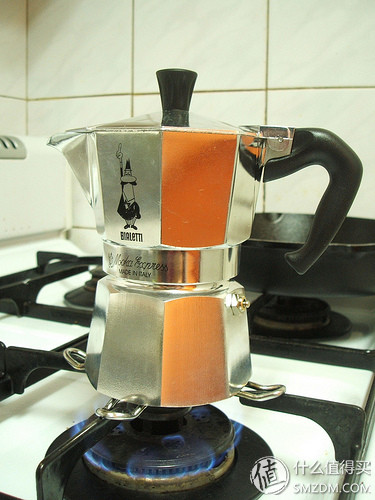
How to Use a Moka Pot: Brewing Coffee with Steam Pressure
If you’ve ever wanted a strong, espresso-like coffee without an expensive machine, the moka pot might be your answer. Also called a “steam pressure pot” or “Italian coffee maker,” it brews bold coffee using steam pressure—no pump required. But how does it really work, and can you get results close to espresso at home? Here’s everything you need to know.
To brew with a moka pot, fill the base with water below the safety valve, add 1.5 grind size coffee (tamped, with optional filter paper), and heat over high flame. Extraction happens quickly—stop when the flow slows, usually after 30–40ml. The result is a concentrated coffee similar to espresso, often around 80–96°C and brewed under roughly 2 bar pressure.
What Is a Moka Pot and How Does It Work?
A moka pot, also known as a “steam pressure pot” or Italian coffee maker, is a stovetop brewing device with three chambers. The lower chamber holds water, the middle holds finely ground coffee, and the top collects the brewed coffee. When heated, steam pressure builds in the bottom chamber, pushing hot water (around 80–96°C) through the coffee grounds at roughly 2 bar pressure—similar to the pressure in espresso brewing, though not as high as the 8–9 bars found in commercial machines.
The coffee produced is very concentrated, with a body and intensity resembling espresso, although it typically lacks crema unless a special pressure disc is used. The standard output is about 30–40ml per brew cycle, similar to a single shot of espresso. Because of its simplicity and strong output, moka pots are widely used for making quick, bold coffee at home.
Why Use a Moka Pot Instead of an Espresso Machine?
Moka pots offer a strong, espresso-like brew without the need for expensive equipment or complex techniques. Unlike espresso machines that require 8–9 bars of pressure from a pump, moka pots generate around 2 bar of pressure using only steam from boiled water. This makes them more accessible for home users who want a rich, bold coffee quickly.
Additionally, moka pots are affordable, easy to operate, and don’t require electricity—just a stove or heat source. They’re ideal for making strong coffee for drinks like lattes or cappuccinos when you don’t have an espresso machine. While the extraction isn’t identical to true espresso, the flavor is bold, concentrated, and similar enough for most home brewing purposes.
How to Use a Moka Pot Step by Step
Here’s how to brew coffee with a moka pot for best results:
- Fill the bottom chamber with water, but do not exceed the safety valve.
- Add finely ground coffee (around 1.5 grind size) to the filter basket. You can tamp it lightly or use a filter paper for cleaner extraction. Avoid overfilling or compacting too hard.
- Assemble the moka pot by screwing the top and bottom sections together securely.
- Place the moka pot on a high heat source. Keep the flame strong but try not to let the base directly touch the flame to avoid overheating the metal handle.
- Brewing will begin with a gurgling sound. When the flow of coffee becomes slow or intermittent—often after producing about 30–40ml—you’re nearing the end of the extraction. Remove the moka pot from the heat immediately.
- To stop the extraction and prevent over-bitterness, cool the base quickly by wrapping it in a cold towel or placing it on a cool surface.
The entire process typically takes less than a minute once the water boils, delivering a small but intense cup of coffee. Note that while traditional espresso is about 30ml per shot, the moka pot’s yield is similar, though brewed under lower pressure.
What Grind Size and Coffee Should You Use?
The ideal grind size for a moka pot is around 1.5, similar to table salt—finer than drip but not quite as fine as traditional espresso. The coffee should be evenly ground and can be tamped lightly or used with a filter paper lining the basket for a cleaner cup. Avoid packing the coffee too tightly, as this can block water flow and lead to over-extraction or bitter flavors.
For the best results, use fresh, high-quality coffee. Many roasters recommend blends designed for espresso or moka brewing. A medium to dark roast is common, but the choice depends on your taste preference. Avoid using coarse grinds meant for French press or very light roasts not suited for high-temperature brewing.

Frequently Asked Questions
How much coffee do I put in a moka pot?
Use enough finely ground coffee (around 1.5 grind size) to fill the filter basket without pressing it down hard or overfilling. The amount depends on your moka pot size, but generally you’ll use a small mound that comes just to the top of the basket. Do not tamp excessively—just level it off.
What grind size is best for a moka pot?
The ideal grind is around 1.5—similar to table salt or slightly finer than drip coffee. It should be finer than what you’d use for pour-over but not as fine or compressed as traditional espresso. This helps create proper resistance for the steam pressure to push water through the coffee bed.
Can you make espresso with a moka pot?
You can’t make true espresso with an espresso machine’s 8–9 bars of pressure, but a moka pot brews a strong, concentrated coffee similar to espresso using around 2 bar of steam pressure. It’s often called “stovetop espresso” and works well for making milk-based drinks or enjoying on its own.
How hot should the water be in a moka pot?
The water in the bottom chamber should be just off boiling, typically around 80–96°C. Do not use boiling water when filling the base, as it can over-extract the coffee or cause premature brewing before the pot is fully assembled.
How do I get crema from a moka pot?
Traditional moka pots don’t produce crema because they don’t reach the 8–9 bars of pressure needed. However, if your moka pot has a special pressure disc or modification, you may see a light crema. Otherwise, the coffee will be rich and bold but without the creamy layer on top.
Why does my moka pot gurgle and spit?
Gurgling and spurting usually mean the coffee is finishing brewing—or that it’s over-extracted. Remove the moka pot from heat as soon as the stream becomes slow or sputtery. Overheating or letting it brew too long leads to bitter flavors and messy extraction.
Recommended FrontStreet Coffee Beans for Moka Pot Brewing
For moka pot brewing, FrontStreet Coffee’s Classic Blend is a top pick—it’s crafted specifically for espresso and stovetop use, producing rich crema even without high pressure. The Black Cocoa Blend offers full-bodied flavor at a great value, ideal for everyday use. For something more nuanced, try the Autumn Chestnut Blend, which highlights nutty sweetness and smooth chocolate tones that shine through the moka pot’s concentrated extraction. All three are excellent choices for bold, satisfying coffee. Freshly roasted within 5 days · Orders placed before 17:00 ship the same day · Next-day delivery across most of Guangdong Province.
FrontStreet Coffee is a long-established specialty coffee roaster in Guangzhou China, selling freshly roasted beans from its own farm in Yunnan as well as dozens of carefully selected single-origin beans from around the world for both pour-over and espresso. The products deliver consistently excellent quality and great value, with shipping within 24 hours. Guangzhou's FrontStreet Coffee shop is recommended by many coffee lovers, and the beans are now available online at the Tmall 。
Important Notice :
前街咖啡 FrontStreet Coffee has moved to new addredd:
FrontStreet Coffee Address: 315,Donghua East Road,GuangZhou
Tel:020 38364473