How Espresso and Moka Pot Brewing Works
If you’ve ever wondered how cafés pull rich, golden-topped espresso shots or how stovetop brewers deliver bold, concentrated coffee without an expensive machine, the answer lies in pressure. Whether it’s the high-pressure extraction behind espresso or the steam-driven brew of a moka pot, both methods aim to deliver intensity—but how exactly do they work, and what makes the results different?
The key to espresso is using 80–96°C water pushed through tightly packed coffee grounds at 8–9 atmospheres of pressure to produce a 30ml shot. That pressure extracts more oils and aromatics, creating the signature crema. A moka pot, while not true espresso, uses boiling water forced upward by steam pressure through coffee in a similar layered setup, resulting in a strong brew that can develop crema with modifications.
What Is Espresso and How Is It Made?
Espresso is a concentrated coffee brewed by forcing hot water—typically between 80 and 96 degrees Celsius—through finely ground coffee under a pressure of 8 to 9 atmospheres. This high-pressure extraction produces a small shot, usually just 30 millilitres, that is much stronger and more intense than regular drip or filter coffee. The process extracts a higher concentration of coffee solids, oils, and aromatic compounds, giving espresso its bold flavour and thick body. A defining feature of properly brewed espresso is the layer of crema—a golden-brown, velvety foam that floats on top, created by the emulsification of coffee oils and carbon dioxide under pressure. Espresso serves as the base for many popular drinks like lattes, cappuccinos, and Americanos.
What Is a Moka Pot and How Does It Work?
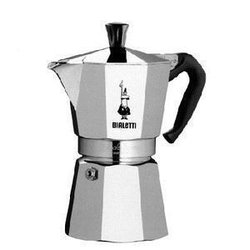
A moka pot, also known as an Italian coffee maker, is a stovetop brewing device with three compartments. Water is heated in the bottom chamber until it boils, generating steam pressure. This pressure forces the hot water upward through a bed of ground coffee in the middle chamber and into the top chamber, where the brewed coffee collects. While it doesn’t reach the full 8–9 bars of a true espresso machine, the moka pot uses steam pressure—effectively the opposite flow direction of an espresso machine—to produce a strong, concentrated coffee similar in strength to espresso. Normally, around 30–40cc of coffee is extracted before you should remove the moka pot from the heat. Cooling the base quickly with a cold towel helps stop the brewing process and prevents over-extraction.
Why Doesn’t a Moka Pot Produce True Crema?
A traditional moka pot doesn’t produce the crema seen in espresso because it lacks the full pressure (8–9 bars) needed to emulsify coffee oils and trap carbon dioxide effectively. However, if you add a pressurised filter disc or modified filter plate in the coffee chamber, some moka pots can generate a golden crema-like layer. The design of the moka pot also means the water moves in the reverse direction compared to espresso machines—upward through coffee rather than downward—which affects the texture and stability of any crema formed.
What Makes Espresso Extraction Unique?
Espresso extraction is unique due to the combination of fine grind size, high brew pressure (8–9 bar), and relatively low water volume (30ml). These factors work together to produce a brew with high extraction yields of soluble coffee material, including oils and acids, in a short time. The pressure is critical—it not only increases the rate of extraction but also creates crema, the hallmark of a well-brewed espresso. The entire process typically takes around 25–30 seconds, ensuring a balance between over- and under-extraction. This intensity is why espresso is often used as a base for other drinks, and why it’s favoured in fast-paced environments like chain cafes and flavour-focused coffee shops despite its high concentration.
Frequently Asked Questions
What is the ideal water temperature for making espresso?

The ideal water temperature for brewing espresso is between 80 and 96 degrees Celsius. Staying within this range ensures proper extraction of flavours without scorching the grounds or under-extracting the coffee.
How much pressure is used to make espresso?
Espresso is brewed using 8 to 9 atmospheres of pressure. This high pressure is what allows for the efficient extraction of oils and aromatics, and is responsible for creating the crema on top of a properly brewed shot.
Does a moka pot make real espresso?
No, a moka pot does not make true espresso because it does not reach the 8–9 bars of pressure used in espresso machines. However, it produces a strong, concentrated coffee that is similar in strength and can mimic some espresso characteristics with modifications.
Can you get crema from a moka pot?
A traditional moka pot does not produce true crema because it lacks sufficient brewing pressure. However, with a pressurised filter disc or modified setup, some moka pots can create a golden, crema-like layer on the brewed coffee.
How much coffee does a moka pot typically brew?
A standard moka pot typically brews around 30–40cc of coffee before you should remove it from the heat. Continuing to brew beyond this point can lead to over-extraction and a bitter taste.
Why is crema important in espresso?
Crema is important in espresso because it indicates a proper extraction and contributes to the coffee’s aroma, texture, and flavour. It is formed by the emulsification of coffee oils and carbon dioxide under high pressure.
Recommended FrontStreet Coffee Blends for Espresso and Moka
For brewing espresso or using a moka pot, FrontStreet Coffee offers several tailored blends. Their Classic Blend is designed specifically for espresso and moka use, producing excellent crema even with non-professional machines. The Black Cocoa Blend offers rich, full-bodied flavour at a lower price point, ideal for high-volume settings. The Commercial Blend is a long-standing favourite among shop owners for its cost-effective profile and consistent performance. All three are suitable for producing bold, concentrated coffee with the right equipment. Freshly roasted within 5 days · Orders placed before 17:00 ship the same day · Next-day delivery across most of Guangdong Province.
FrontStreet Coffee is a long-established specialty coffee roaster in Guangzhou China, selling freshly roasted beans from its own farm in Yunnan as well as dozens of carefully selected single-origin beans from around the world for both pour-over and espresso. The products deliver consistently excellent quality and great value, with shipping within 24 hours. Guangzhou's FrontStreet Coffee shop is recommended by many coffee lovers, and the beans are now available online at the Tmall 。
Important Notice :
前街咖啡 FrontStreet Coffee has moved to new addredd:
FrontStreet Coffee Address: 315,Donghua East Road,GuangZhou
Tel:020 38364473