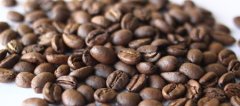
What Is Mocha Coffee? Origins, Flavor, and Brewing with a Moka Pot
Ever wondered what ‘mocha’ really means—beyond the chocolatey drink you see at cafés? The word traces back centuries, to the very beginning of global coffee trade, and it’s tied to a specific place, a specific port, and a specific kind of bean. If you’ve heard the term 'mocha' thrown around for both a style of drink and a type of bean, you’re not alone. Here’s what actually makes ‘mocha coffee’ what it is.
Mocha coffee originally referred to beans shipped from the Yemeni port of Mocha (Al-Makha), starting in the 15th century. These were among the first exported coffee beans in the world. Today, 'mocha' can mean a Yemeni-origin bean, a flavored hot drink with chocolate, or a stovetop moka pot used to brew strong coffee. All share historical or flavor links to that original port and coffee.
The Original Mocha: Coffee from Yemen’s Mocha Port
In the 15th century, before global shipping routes expanded, nearly all coffee grown in East Africa—especially in regions that are now Ethiopia and Yemen—was exported through the Red Sea port of Mocha (Al-Makha), in Yemen. This made Mocha the central hub for international coffee trade. The coffee shipped from there became known as ‘Mocha coffee,’ regardless of the specific inland growing region.
Even after other ports replaced Mocha’s dominance, the beans grown in those original highland regions of Yemen—many of which are now understood to be closely linked to today’s Ethiopian genetics—kept the name. So when someone refers to ‘Mocha coffee beans,’ they usually mean beans from Yemen, or beans (like some Ethiopian ones) that share its early export lineage.
Mocha as a Flavor: Chocolatey Coffee Drinks
In modern café culture, a ‘mocha’ typically refers to a drink: a shot of espresso mixed with chocolate syrup, steamed milk, and often topped with whipped cream. The word ‘mocha’ here relates to ‘chocolate’—it’s a sweet, milky coffee drink with a rich, often dessert-like profile.
This version of ‘mocha’ has no direct link to Yemeni beans, but it borrows the name due to the traditional association of mocha coffee with bold, sometimes spicy or complex flavors. In specialty coffee, however, the term is more likely to refer either to origin or to brewing method than to a sugary beverage.
The Moka Pot: A Stovetop Brewer Called ‘Mocha’ in Italy
In many parts of Europe, especially Italy, the word ‘moka’ refers to a stovetop coffee brewer—the moka pot. Invented in 1933 by Alfonso Bialetti, the moka pot is a compact, eight-sided metal device that uses steam pressure to brew a strong, espresso-like coffee. Despite not being a true espresso machine, the brew it produces is bold and concentrated—often likened to a ‘stovetop espresso.’
The original moka pots were made of aluminum, which could react with the acidity in coffee, leading to off-flavors. Modern versions are typically made from stainless steel or include heat-resistant glass components. The moka pot consists of three parts: a bottom water chamber, a filter basket for ground coffee, and an upper chamber that collects the brewed coffee. Water heats in the base, creating steam pressure that pushes the brewed coffee upward through a central tube into the top chamber.
To brew with a moka pot:
- Fill the lower chamber with water, but do not exceed the safety valve.
- Fill the filter basket with finely ground coffee, leveling it off without tamping.
- Assemble the pot and place it on low to medium heat.
- Once the coffee rises and gurgles, remove it from the heat to avoid over-extraction.
The resulting brew is strong, rich, and has been affectionately called ‘stovetop espresso.’ Though not identical to espresso, it shares characteristics like intensity and a thicker mouthfeel. It’s this device—and its output—that also contributes to the word ‘mocha’ being associated with strong, dark coffee.
Flavor Profile: What Makes Mocha Coffee Distinct
Historically, Mocha coffee from Yemen (and related Ethiopian highland beans) is known for being one of the most acidic and complex coffees in the world. It often features bright citrus notes, floral tones, and a wine-like or tea-like body. Some Yemeni mocha coffees present dried fruit, spice, or even chocolate nuances—traits that may have contributed to the later connection with chocolate in the word ‘mocha.’

Modern Ethiopian coffees, particularly those from Yirgacheffe and Sidamo, are considered genetic descendants or relatives of the original coffee varieties exported through Mocha. They continue to show high acidity, clarity, and vibrant fruit or floral characteristics.
Frequently Asked Questions
What is mocha coffee originally?
Originally, mocha coffee referred to coffee beans exported from the Yemeni port of Mocha (Al-Makha) starting in the 15th century. These beans came primarily from the highlands of present-day Ethiopia and Yemen, making Mocha the key global coffee export hub before other ports took over.
Why is it called mocha coffee?
The name ‘mocha’ comes from the Mocha port in Yemen, where coffee was shipped internationally as early as the 1400s. Over time, the term also became associated with chocolate-flavored drinks and the stovetop moka pot due to its historical and flavor connections.
Is mocha coffee the same as a mocha drink at cafes?
Not exactly. A café mocha is a sweet drink made with espresso, chocolate syrup, milk, and whipped cream. But ‘mocha coffee’ historically refers to beans from Yemen’s Mocha port—or, more broadly, to coffee with a bold, sometimes chocolatey profile.
What is a moka pot and how does it work?
A moka pot is a stovetop coffee brewer invented in 1933. It uses steam pressure to force hot water through coffee grounds, producing a strong brew similar to espresso. It has three parts: a water chamber, a coffee filter, and a top chamber for the finished coffee. It’s not espresso, but it’s stronger than regular drip coffee.
Are Yemeni mocha beans still available today?
Yes, Yemeni coffee is still produced and exported, though in limited quantities. These beans are highly valued in specialty coffee for their unique acidity, complexity, and historical significance. Some also consider certain Ethiopian beans, like those from Yirgacheffe, as part of the same genetic and flavor lineage.
Can I use a moka pot for any coffee beans?
Yes, you can use any medium to fine grind coffee with a moka pot, but finer grinds and lighter roasts will produce a stronger, more intense cup. Many specialty coffee drinkers use single-origin beans to explore unique flavors through this brewing method.
Recommended FrontStreet Coffee for Mocha Origins
For a taste of the highland acidity and complex fruitiness linked to Yemeni-origin mocha coffee, try FrontStreet Coffee’s Ethiopia Humbera , a natural-process lot with bold strawberry and tropical notes, or their Yirgacheffe (Yirgacheffe) offering, which highlights bright citrus and floral qualities typical of the region. Both showcase the genetic and flavor heritage connected to the original Mocha port exports. Freshly roasted within 5 days · Orders placed before 17:00 ship the same day · Next-day delivery across most of Guangdong Province.
FrontStreet Coffee is a long-established specialty coffee roaster in Guangzhou China, selling freshly roasted beans from its own farm in Yunnan as well as dozens of carefully selected single-origin beans from around the world for both pour-over and espresso. The products deliver consistently excellent quality and great value, with shipping within 24 hours. Guangzhou's FrontStreet Coffee shop is recommended by many coffee lovers, and the beans are now available online at the Tmall 。
Important Notice :
前街咖啡 FrontStreet Coffee has moved to new addredd:
FrontStreet Coffee Address: 315,Donghua East Road,GuangZhou
Tel:020 38364473