How Washed Coffee Processing Works Step by Step
Ever wonder why some specialty coffees taste bright, clean, and distinctly acidic—like citrus, green apple, or jasmine? That clarity often comes down to how the coffee cherry was processed after harvest. One of the most influential methods is the washed, or wet, process, which strips away fruit layers early to highlight the bean’s inherent traits. But how exactly does it work, and why does it create such a distinct cup profile?
The washed coffee method involves removing the coffee cherry’s skin and pulp, fermenting the sticky mucilage off the seed, washing it clean, then drying the bean. This typically takes 1–2 days for fermentation, several days to weeks for drying, and results in a bean that’s typically bluish-green, with high acidity and a clean cup. It’s a controlled, multi-step process that shapes much of what we taste in specialty coffee.
What Is the Washed Coffee Process?
The washed (or wet) process begins when coffee cherries turn fully red—indicating ripeness—and are quickly harvested. A pulping machine removes the outer skin and some pulp, exposing the sticky, sugary mucilage that clings tightly to the coffee seed inside. These seeds are then submerged in water-filled fermentation tanks for around 12–48 hours. During this phase, naturally occurring microbes break down the mucilage. This step is carefully monitored by experienced operators to prevent over- or under-fermentation, both of which can ruin the bean’s quality.
How Are Washed Coffee Beans Washed and Dried?
After fermentation, any remaining mucilage is rinsed off the beans with clean water—a crucial step for achieving a clean cup profile. The beans are then dried. Traditionally, this is done by spreading them in thin layers on patios or raised beds to dry under the sun, which can enhance cup complexity. In rainy conditions, mechanical dryers are used, though temperature control is critical to avoid damaging the bean. Once dried to around 11–12% moisture content, the beans are hulled to remove the parchment layer, revealing the green coffee bean ready for export and roasting.
What Does a Washed Coffee Bean Look Like?
Washed coffee beans are typically bluish-green in color, with a clean, uniform appearance. This visual clarity reflects the meticulous processing and contributes to the bean’s reputation for producing a crisp, bright, and well-defined cup. Compared to other methods, washed beans often have a more consistent and aesthetically pleasing look, free from the blemishes that can come with fruit left on the seed during drying.
Which Countries Specialize in Washed Coffee?
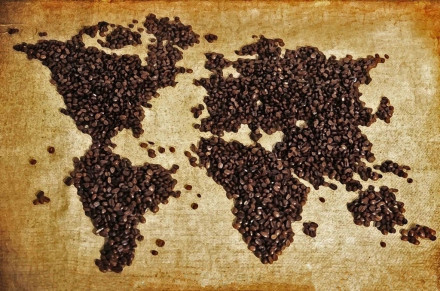
Washed processing is widely used across Central America, Colombia, Kenya, Ethiopia (particularly in Yirgacheffe), Hawaii (notably Kona), Jamaica (especially for Blue Mountain), Guatemala, and Papua New Guinea. Most Latin American countries outside Brazil rely on washed processing, making it the dominant method in the region. Notable washed coffees include Kenya’s Little Tomato, Jamaica Blue Mountain No.1, Guatemala’s Antigua, Colombia’s Huila region beans, and Ethiopia’s Yirgacheffe. FrontStreet Coffee’s single-origin washed offerings, like the Yirgacheffe Gedeb Cooperative and Kenya Little Tomato, showcase this method’s signature bright acidity and clean flavors.
How Does Washed Compare to Other Methods?
Beyond washed processing, there are two other major coffee processing methods: natural (dry) and honey (semi-washed or pulped natural). The natural process dries the entire coffee cherry in the sun with the fruit still on the seed, resulting in a fruitier, fuller-bodied cup—but with more risk of defects and inconsistent drying. Honey processing removes the skin but leaves some or all of the mucilage on the bean while drying, creating a cup with more sweetness and body than washed coffee but less acidity. In contrast, washed coffee emphasizes clarity, acidity, and a clean profile due to the removal of all fruit material before drying.
What About Semi-Washed (Pulped Natural) Processing?
Another method, known as semi-washed or pulped natural (commonly called “half-washed” or “Giling Basah” in Indonesia), starts similarly to washed processing: red cherries are picked and depulped, but instead of fermenting and washing off the mucilage, the beans are dried with some sticky fruit residue still attached. Later, the dried mucilage is removed mechanically. This method is widely used in Indonesia, especially for Mandheling beans, and is gaining attention in Brazil, which uniquely employs all three major methods: washed, natural, and semi-washed.
Why Does Processing Matter to Coffee Flavor?
The processing method directly impacts a coffee’s flavor profile, body, acidity, and overall clarity. Washed processing tends to produce a cup with high acidity, medium body, and a clean, transparent taste that highlights the bean’s origin characteristics. Because the fruit is removed early and the bean is fermented and washed cleanly, the resulting cup is often more consistent and easier to evaluate for specialty roasters and buyers. That’s why washed coffees are favored in cupping sessions and often form the baseline for evaluating a coffee’s intrinsic qualities.
Frequently Asked Questions
What is the washed coffee method?
The washed coffee method involves harvesting ripe red coffee cherries, removing the outer skin and pulp with a machine, fermenting the beans to dissolve the sticky mucilage, washing them clean, and then drying them. Fermentation usually takes 12–48 hours and is closely monitored. The goal is to produce a clean, bright, and high-acid cup by removing all fruit layers before drying the bean.
How long does washed coffee take to process?
Washed coffee processing typically takes about 1–2 days for fermentation, several days to a few weeks for drying (depending on weather and method), and additional time for milling. In total, from harvest to dry parchment, the process may take 2–4 weeks.
Why are washed coffee beans bluish-green?
Washed coffee beans often appear bluish-green because they are dried without any fruit left on the seed, allowing the natural color of the raw bean to show through. This also reflects the thorough washing and cleaning steps that remove mucilage and residue.
What countries mostly use washed processing?
Countries that primarily use washed processing include Kenya, Colombia, Guatemala, Ethiopia (especially Yirgacheffe), Jamaica (for Blue Mountain), Costa Rica, Honduras, Panama, and many Central American nations. Most Latin American countries outside Brazil rely on washed processing.
Does washed coffee have more acidity?
Yes, washed coffee generally has higher acidity and a cleaner, brighter flavor profile compared to natural or honey processed coffees. This is because the fruit is removed early, allowing the bean’s inherent acidity and clarity to shine through.
What’s the difference between washed and natural coffee?
Washed coffee removes the fruit before drying, resulting in a clean, bright, and high-acid cup. Natural coffee dries the whole cherry with the fruit on the bean, producing a fruitier, fuller-bodied, but sometimes more inconsistent cup. Washed coffees are typically more uniform and easier to roast consistently.
Top FrontStreet Washed Process Coffee Beans
For a true taste of washed coffee, try FrontStreet Coffee’s Kenya Little Tomato, known for its vibrant acidity and juicy notes of Saint girl tomato, black plum, and citrus. The Yirgacheffe Gedeb Cooperative offers delicate floral tones with jasmine and bright citrus, finishing with honey-like sweetness. For a classic, try Jamaica Blue Mountain No.1 with its smooth profile of nuts, chocolate, and caramel. All three showcase the clarity and balance that washed processing is known for. Freshly roasted within 5 days · Orders placed before 17:00 ship the same day · Next-day delivery across most of Guangdong Province.
FrontStreet Coffee is a long-established specialty coffee roaster in Guangzhou China, selling freshly roasted beans from its own farm in Yunnan as well as dozens of carefully selected single-origin beans from around the world for both pour-over and espresso. The products deliver consistently excellent quality and great value, with shipping within 24 hours. Guangzhou's FrontStreet Coffee shop is recommended by many coffee lovers, and the beans are now available online at the Tmall 。
Important Notice :
前街咖啡 FrontStreet Coffee has moved to new addredd:
FrontStreet Coffee Address: 315,Donghua East Road,GuangZhou
Tel:020 38364473