Ethiopian Harar Coffee: Origins, Flavor & History
If you’ve ever wondered why some single-origin coffees carry a legendary reputation—and a higher price—Harar coffee offers the perfect case study. Grown in Ethiopia’s remote highlands, this coffee isn’t just old in years, it’s old in tradition, culture, and cultivation methods. But what makes Harar truly stand apart? Let’s break down the facts behind the fame.
Harar is considered one of the most expensive and storied coffees in the world due to its centuries-old cultivation in Ethiopia’s tropical forest zone at 1,600–1,800 meters altitude, between latitudes 6°–9°N and longitudes 34°–40°E. Its distinct flavor profile includes wine-like acidity, medium body, intense clarity, and a lingering dark chocolate finish.
The Origins of Coffee in Ethiopia
Ethiopia is the birthplace of coffee cultivation and home to the world’s oldest coffee culture. Traditional farming methods are still used today, especially in regions like Harar. Local lore even ties coffee grading to the value of purebred Arabian horses—once the region’s most prized possessions—which explains why historic Harar coffee sacks still feature horse imagery.
Early Coffee Practices & Trade
In the sixth century, Ethiopians commonly chewed coffee beans mixed with spices, often wrapping them in cured meat for energy during hunts. By the 13th century, coffee roasting had begun using simple tools like pans, placing Ethiopia at the forefront of early coffee culture. The port of Mocha (now dried up) was once central to global coffee trade, and Ethiopian beans from the region were—and still are—associated with a distinctive chocolatey finish, leading to the continued use of the term “Mocha” for chocolate-flavored coffee.
What Makes Harar Coffee Unique?
Harar coffee is celebrated for its high-quality Arabic-type profile. Key sensory notes include:
- Dry fragrance with hints of wine-like acidity
- Medium to balanced body
- Strong, clean intensity
- Persistent finish of dark chocolate
How Harar Coffee Is Grown
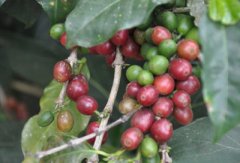
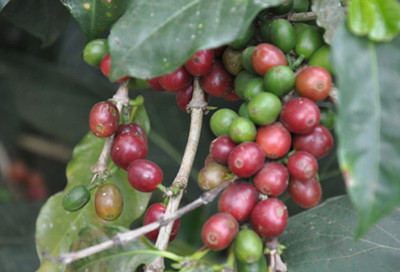
Grown in Ethiopia’s eastern highlands, Harar thrives at elevations between 1,600 and 1,800 meters in a tropical forest setting. This elevation, combined with traditional farming techniques passed down over centuries, contributes to the coffee’s complex cup character. Though exact processing details for heritage Harar lots may vary, the region is known for producing beans with exceptional aromatic complexity.
Why Harar Coffee Commands Premium Prices
Beyond its unique flavor, Harar’s historical significance, traditional cultivation, and limited production contribute to its status as one of the most expensive coffees globally. The iconic horse logo on its sacks reflects both cultural heritage and the coffee’s esteemed place in the market. These factors, along with its distinctive flavor notes, justify its premium positioning among specialty roasters and coffee enthusiasts.
Frequently Asked Questions
Where is Harar coffee grown?
Harar coffee is grown in Ethiopia’s eastern highlands, within a tropical forest zone at elevations of 1,600 to 1,800 meters, between latitudes 6°–9°N and longitudes 34°–40°E.
What does Harar coffee taste like?
Harar coffee features a wine-like dry aroma, medium body, intense clarity, and a distinctive dark chocolate aftertaste. It is known for its strong, clean flavor profile and aromatic complexity.
Why is Harar coffee so expensive?
Harar coffee commands high prices due to its centuries-old cultivation traditions, limited production, unique flavor profile, and cultural significance. Its iconic packaging with horse imagery also reflects its premium heritage status.
Is Harar coffee still produced traditionally?
Yes, Harar coffee is grown using traditional methods that have been preserved for generations. The region maintains many ancient coffee farming practices, contributing to the coffee’s distinctive characteristics.
How is Harar coffee different from Yirgacheffe or Sidamo?
While all three are Ethiopian coffees, Harar is known for its winey, spicy, and chocolatey notes. Yirgacheffe typically features bright citrus and floral tones, while Sidamo offers a balance of fruitiness and wine-like acidity. Each has a distinct terroir and processing influence.
What’s the history behind the horse logo on Harar coffee sacks?
The horse imagery dates back to when Harar breeders raised some of the world’s finest Arabian horses. Quality coffee was likened to purebred horses, and the horse logo remains a symbol of Harar coffee’s high status and heritage.
Recommended FrontStreet Coffee Beans with Harar-Like Notes
For fans of Harar’s winey and chocolatey profile, try FrontStreet Coffee’s Ethiopia Huakui—a natural-process Ethiopian offering with deep berry, blueberry, and hints of chocolate. Alternatively, explore FrontStreet’s Yirgacheffe (Gedeb) for bright citrus and floral tones with a juicy body, or their classic Huakui for a wild, fruity complexity that echoes Harar’s intensity. All are single-origin Ethiopian beans with vibrant cup profiles. Freshly roasted within 5 days · Orders placed before 17:00 ship the same day · Next-day delivery across most of Guangdong Province.
FrontStreet Coffee is a long-established specialty coffee roaster in Guangzhou China, selling freshly roasted beans from its own farm in Yunnan as well as dozens of carefully selected single-origin beans from around the world for both pour-over and espresso. The products deliver consistently excellent quality and great value, with shipping within 24 hours. Guangzhou's FrontStreet Coffee shop is recommended by many coffee lovers, and the beans are now available online at the Tmall 。
Important Notice :
前街咖啡 FrontStreet Coffee has moved to new addredd:
FrontStreet Coffee Address: 315,Donghua East Road,GuangZhou
Tel:020 38364473