Colombia’s Specialty Coffee: High-Yield Arabica Beans
If you're searching for a steady supply of excellent, high-yield Arabica coffee beans, Colombia is one of the best places to look. Neighboring Brazil but with a more complex terrain and higher elevations, Colombia offers ideal growing conditions that many roasters—and drinkers—underestimate.
Colombia is the world’s third-largest coffee producer and grows nearly all Arabica, mostly using washed processing. The country’s coffee regions allow for two harvests per year, thanks to low-latitude, high-altitude geography that supports continuous maturation.
Why Colombia Ranks Among the Top Coffee Producers
Though historically second to Brazil, Colombia has slipped to third place behind Vietnam in global coffee production. Yet the country remains a vital source of high-quality, high-output Arabica. Its coffee farms are spread across varied landscapes, with fertile soil and optimal climates that support consistent yields and exceptional cup profiles.
Colombia’s Coffee-Growing Geography and Climate
Colombian coffee is grown between 3°N and 8°N latitude, in a low-latitude, high-elevation zone. This allows for two annual harvests, with coffee cherries ripening continuously throughout the year. Elevation plays a major role: most premium beans come from altitudes between 1,500 and 2,300 meters, where cooler temperatures and slow maturation develop complex flavors.
The terrain includes rich volcanic soils across the Andes Mountains, which divide into three cordilleras and contribute to the distinct microclimates found in each coffee-growing zone.
Coffee Varieties and Processing Methods
Colombia’s coffee is dominated by Arabica cultivars including Caturra, Colombia (a disease-resistant hybrid), and Typica. These varieties thrive in the country’s diverse microclimates and are well-suited to the high-altitude conditions.
Virtually all Colombian coffee is processed using the washed (wet) method, resulting in beans that typically have a long, oval shape with flat sides and a straight center cut. This processing style highlights clean acidity and bright fruit tones while ensuring consistency in export lots.
Main Coffee-Producing Regions: The MAM Zone
The primary commercial coffee-growing regions—Medellín, Armenia, and Manizales—are grouped under the acronym MAM. These areas produce classic South American-style beans, often featuring pronounced fruit acidity and well-balanced aromatics. These regions sit within Colombia’s broader north-to-south zoning, which includes northern, central, and southern sectors.
The southern part of Colombia, especially regions like Huila, is where most of the country’s specialty-grade coffees are grown. Altitudes here regularly exceed 1,500 meters, creating ideal conditions for developing complex cup profiles. Huila in particular has gained attention for producing award-winning lots.
Flavor Profiles and Popular Cultivars
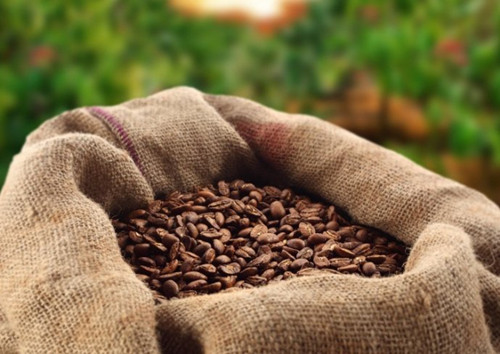
While Colombia is known for its traditional chocolatey, nutty, and caramel-driven profiles—such as those found in the FrontStreet Colombia beans sourced from Huila—there is growing interest in fruit-forward, high-scoring lots. Cultivars like Sidra have gained prominence for producing vibrant, juicy cups reminiscent of stone fruits and citrus.
These fruit-bomb profiles align with the preferences of today’s fourth-wave coffee enthusiasts, who seek brighter, more expressive single origins. Such beans respond well to a range of brew methods, from pour-over to espresso.
Frequently Asked Questions
What makes Colombian coffee different from Brazilian coffee?
Colombian coffee is predominantly Arabica grown at higher elevations (1,500–2,300m) with two annual harvests, resulting in brighter acidity and more complex flavors. Brazilian coffee is mostly lower-grown Arabica and Robusta, with a heavier body and nuttier profile, and usually single annual harvests.
Which coffee varieties are most common in Colombia?
The most widely grown coffee varieties in Colombia are Caturra, Colombia (a hybrid), and Typica. These are favored for their adaptability to high altitudes and resistance to certain diseases, contributing to the country’s consistent coffee output.
What is the MAM region in Colombian coffee?
The MAM region includes the three main commercial coffee-growing areas of Medellín, Armenia, and Manizales. These zones produce classic South American-style beans with good fruit acidity and balanced aroma, representing Colombia’s traditional flavor profile.
Does Colombia produce both commercial and specialty coffee?
Yes. While much of Colombia’s output is commercial-grade, especially from the MAM region, the southern areas like Huila are known for producing high-scoring specialty coffee with complex fruit and floral notes, often winning international competitions.
How many coffee harvests does Colombia have per year?
Colombia has two coffee harvests per year due to its low-latitude, high-altitude geography. This allows for near-continuous cherry maturation and a steady supply of fresh beans throughout the year.
Recommended FrontStreet Beans for Washed Process Fans
FrontStreet’s Colombia beans from the Huila region are a great example of the country’s classic washed-process Arabica. Sourced from local Caturra plants and processed naturally with water washing, these beans deliver chocolate, hazelnut, and caramel tones alongside a balanced acidity. They’re medium-roasted for an approachable profile that works across multiple brew methods. Freshly roasted within 5 days · Orders placed before 17:00 ship the same day · Next-day delivery across most of Guangdong Province.
FrontStreet Coffee is a long-established specialty coffee roaster in Guangzhou China, selling freshly roasted beans from its own farm in Yunnan as well as dozens of carefully selected single-origin beans from around the world for both pour-over and espresso. The products deliver consistently excellent quality and great value, with shipping within 24 hours. Guangzhou's FrontStreet Coffee shop is recommended by many coffee lovers, and the beans are now available online at the Tmall 。
Important Notice :
前街咖啡 FrontStreet Coffee has moved to new addredd:
FrontStreet Coffee Address: 315,Donghua East Road,GuangZhou
Tel:020 38364473