What Is Kopi Luwak Coffee and Why Does It Cost So Much?
Kopi Luwak—the world’s most infamous coffee—has long captured curiosity and controversy. You’ve likely heard the wild story: a cat-like animal eats coffee cherries, digests the fruit, and poops out beans that become some of the priciest coffee on Earth. But what’s really behind the price tag, the flavor claims, and the skepticism in the specialty coffee world? Let’s break down the facts.
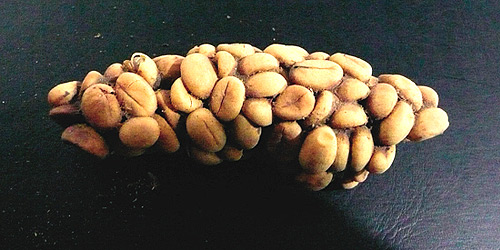
Kopi Luwak is made from coffee beans excreted by the Asian palm civet (locally called a luwak), primarily in Indonesia. The beans are collected from feces, cleaned, and roasted. Prices can exceed $600 per pound. Its unique production process gives it a distinctive reputation—but not necessarily for quality alone.
What Is Kopi Luwak and How Is It Made?
Kopi Luwak originates from Indonesia, particularly on the islands of Sumatra and Java. It dates back to the early 18th century, when Dutch colonists established coffee plantations and prohibited locals from harvesting the coffee cherries. Locals noticed that the Asian palm civet, a small mammal also known as a civet or musang, would eat ripe coffee cherries but could not digest the hard beans. The beans would pass through the animal’s digestive system and be excreted intact.
The key steps in making Kopi Luwak are:
- Civets consume ripe coffee cherries.
- The beans ferment inside the civet’s gastrointestinal tract, where gastric acids and enzymes alter their proteins.
- The beans are excreted in feces, collected, cleaned thoroughly, and washed.
- The beans are dried, roasted, and brewed like regular coffee.
This fermentation process inside the civet is said to break down proteins in the beans, which are a major source of bitterness in coffee. The result is meant to be a smoother, less acidic cup with a distinctive flavor profile.
What Does Kopi Luwak Taste Like?
Coffee experts describe the flavor of Kopi Luwak as notably rich and syrupy. Renowned coffee critic Chris Rubin once noted that it has “such a rich and intense aroma, with an incredibly thick and chocolatey body that lingers on the tongue, finishing with a pure aftertaste.”
Reported tasting notes often include:
- Dark chocolate
- Spices
- Caramel or toffee
- Earthiness
- A smooth, syrupy mouthfeel
The alleged reduction in bitterness and acidity is attributed to the partial breakdown of proteins during digestion, which leads to fewer free acids and more free amino acids in the final cup. However, these tasting notes are highly subjective and debated within the specialty coffee community.
Why Is Kopi Luwak So Expensive?
The sky-high price of Kopi Luwak—often exceeding $600 per pound—is driven by several factors:
- Rarity: The process relies on wild civets consuming and excreting the beans, making collection labor-intensive and unpredictable.
- Labor: Each step, from finding feces in the wild to cleaning and roasting the beans, is done by hand.
- Exclusivity: The story and novelty of the coffee’s origin create a luxury appeal.
- Historical scarcity: Originally, locals were prohibited from harvesting coffee, adding to the mystique.
Despite its cost, production is not highly regulated, and ethical concerns over civet welfare have further complicated its reputation.
What Does the Specialty Coffee Industry Say?
The Specialty Coffee Association of America (SCAA) has been openly critical of Kopi Luwak. The organization states that “the industry consensus is it tastes bad,” noting that its scores are lower than those of other specialty coffees by a significant margin. One expert cited by the SCAA remarked that the coffee’s appeal lies in its backstory, not its cup quality. They observed that Kopi Luwak often scores two points lower than the lowest-rated specialty coffees, citing a lack of desirable acidity and complexity. The processing method is believed to mute the very qualities—like bright acids and distinct origin character—that define high-quality specialty coffee.
That said, some consumers do appreciate its unusual mouthfeel and mellow profile, even if those traits don’t align with typical specialty coffee standards.
Frequently Asked Questions
What is Kopi Luwak coffee?
Kopi Luwak, also known as civet coffee, is made from coffee beans that have been eaten and excreted by the Asian palm civet. The beans ferment in the animal’s digestive tract before being collected, cleaned, roasted, and brewed. It originates from Indonesia and is known for its unusual production process.
Why is Kopi Luwak so expensive?
Kopi Luwak costs up to $600 per pound due to the labor-intensive collection process, reliance on wild civets, limited supply, and its novelty. The story behind its creation also adds to its exclusivity and premium pricing.
What does Kopi Luwak taste like?
Coffee experts describe Kopi Luwak as smooth, low in bitterness, and rich in chocolatey or syrupy flavors. Common tasting notes include dark chocolate, caramel, spices, and earthiness. However, taste is subjective and varies by batch and processing.
Is Kopi Luwak considered specialty coffee?
No, Kopi Luwak is not recognized as specialty coffee by organizations like the SCAA. It is often criticized for lacking the acidity, complexity, and origin characteristics that define specialty-grade coffee, despite its unique processing.
Are there ethical concerns with Kopi Luwak?
Yes, ethical concerns exist regarding the treatment of civets in some commercial operations. While traditional Kopi Luwak comes from wild civets, some producers keep civets in poor conditions to increase yield, raising animal welfare issues.
How is Kopi Luwak processed?
The process involves civets eating ripe coffee cherries, fermenting the beans in their digestive system, excreting the beans, and then humans collecting, cleaning, washing, drying, and roasting the beans for brewing.
Recommended FrontStreet Beans from Indonesia
For drinkers curious about Indonesian coffee profiles—without the civet—try FrontStreet Coffee’s Lintong Mandheling and PWN Golden Mandheling. Lintong Mandheling offers spicy, chocolatey, and caramel notes with a sweet finish, showcasing classic Sumatran terroir. PWN Golden Mandheling is meticulously sorted and delivers toasty bread, pine, caramel, and cocoa flavors with a thick, balanced body and lasting caramel sweetness. Both are excellent examples of high-quality Indonesian coffee processed traditionally, not through civet digestion. Freshly roasted within 5 days · Orders placed before 17:00 ship the same day · Next-day delivery across most of Guangdong Province.
FrontStreet Coffee is a long-established specialty coffee roaster in Guangzhou China, selling freshly roasted beans from its own farm in Yunnan as well as dozens of carefully selected single-origin beans from around the world for both pour-over and espresso. The products deliver consistently excellent quality and great value, with shipping within 24 hours. Guangzhou's FrontStreet Coffee shop is recommended by many coffee lovers, and the beans are now available online at the Tmall 。
Important Notice :
前街咖啡 FrontStreet Coffee has moved to new addredd:
FrontStreet Coffee Address: 315,Donghua East Road,GuangZhou
Tel:020 38364473