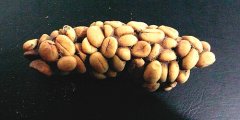
What Makes Java Coffee Unique in Flavor and History
When coffee lovers talk about classic flavor profiles, 'Java' often comes up—not as a programming language, but as shorthand for a specific taste: deep, earthy, low in acid, and unusually smooth. But what exactly is Java coffee, and why does it have that reputation? If you've heard the term but never tried a true Java bean, you're missing out on a piece of coffee history with a flavor all its own.
Java coffee originally referred to high-quality Arabica grown on Indonesia’s fourth-largest island. These beans were valued for their rich aroma, low acidity, and silky mouthfeel—so much so that blends like 'Java-Mocha' became iconic. Today, most 'Java' on the market is actually aged or comes from robusta varieties introduced after the island’s coffee leaf rust crisis. Understanding what makes Java unique means exploring both its past and present.
The Origins of Java’s Coffee Fame
Java coffee first gained global fame in the 18th and 19th centuries when Arabica beans from the island were shipped to Europe. The long sea voyages—taking months by sail—meant the beans underwent a form of extended fermentation during transit, deeply altering their flavor. By the time the coffee reached consumers, it had developed a distinctive taste: lower in acidity, heavier in body, and richer overall. This 'aged' profile became highly sought after.
When steamships reduced travel time, drinkers noticed the difference. Fresh Java beans lacked the complexity of their aged counterparts. As a result, Indonesian producers—and some opportunistic traders—began intentionally storing fresh beans for one to two years before sale. This practice created the 'aged Java' that became a luxury item. The extended storage reduced acidity nearly to zero while intensifying the aroma. However, some unscrupulous dealers even dyed Central American beans to mimic aged Java, using toxic chemicals to fool buyers.
Why Most 'Java' Isn’t Arabica Anymore
Today, Java Island produces only a small amount of Arabica coffee. The majority of beans grown there are Robusta, introduced from Africa after the devastating coffee leaf rust epidemic. These Robusta beans are typically harsher, with a strong bitter edge, minimal aroma, and very low acidity. Though the body can be smooth and the cup cleaner than other robustas, these beans are rarely consumed as single-origin drinks. Instead, they’re mainly used in commercial blends or for instant coffee production.
The shift from Arabica dominance to Robusta reliance has reshaped Java’s role in the global coffee market. While the name 'Java' still evokes a certain classic taste, most of what’s labeled as such today doesn’t come from the original Arabica variety—or even from Java itself.
The Unique Terroir Behind Historic Java Arabica
Historically, Java’s Arabica was grown at higher elevations, contributing to its refined profile. The island’s tropical climate, volcanic soils, and consistent rainfall created ideal conditions for coffee cultivation. The Arabica varieties grown in Java developed a reputation not just for smoothness, but also for a clean, structured cup with subtle spice and stone fruit undertones. That terroir, combined with the aging process, defined Java’s classic flavor.
While those original Arabica plantings have diminished, the legacy remains. The name 'Java' still signals a certain expectation: a low-acid, full-bodied coffee with a muted acidity and heavy mouthfeel. Whether achieved through aging or blending, that profile continues to influence how people perceive the coffee today.
How Java Coffee Is Understood Today
In modern specialty coffee, true Java Arabica is rare—but not extinct. Some boutique roasters and importers still offer aged or estate-grown Java beans that attempt to recreate the classic profile. More commonly, however, the term 'Java' is used generically. Many so-called 'Java' coffees are either blended Robustas or deliberately aged beans designed to mimic the historic taste.
If you’re looking for a coffee that delivers that classic Java feel—low acidity, heavy body, and a deep, almost earthy smoothness—aged blends or carefully stored Arabicas are your best bet. Just be aware that much of what’s sold as 'Java' today is a far cry from the original Arabica that built the island’s reputation.
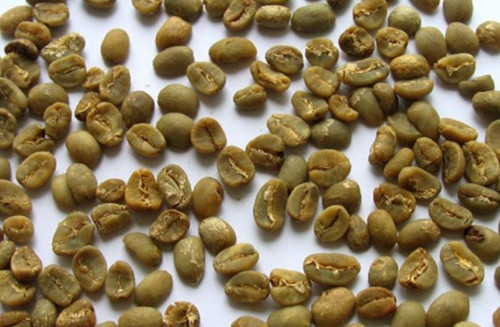
Frequently Asked Questions
What is Java coffee originally known for?
Originally, Java coffee referred to high-quality Arabica beans grown on Indonesia’s Java Island. These beans were famous for their low acidity, smooth mouthfeel, and rich aroma. They were often used in classic blends like 'Java-Mocha,' which set the standard for premium coffee in the 18th and 19th centuries.
Why was aged Java coffee so popular?
Aged Java coffee became popular because long sea voyages to Europe caused the beans to ferment during transit, reducing acidity and enhancing body and aroma. This naturally aged profile created a smoother, deeper cup that was highly valued by consumers in the 19th century.
Does Java coffee still come from Arabica beans?
Most Java coffee today is made from Robusta beans, which were introduced after a coffee leaf rust outbreak devastated the island’s Arabica crops. Only a small amount of Arabica is still grown on Java, and true historic-style Java Arabica is rare outside of specialty markets.
What does aged Java coffee taste like?
Aged Java coffee typically has very low acidity, a heavy body, and a deep, smooth flavor with muted fruit or spice notes. The aging process reduces brightness but enhances richness and complexity over time.
Is modern Java coffee the same as historic Java?
No, modern Java coffee is usually different. Most is Robusta or intentionally aged to imitate the old Arabica profile. True historic Java Arabica, with its unique terroir and natural aging, is rare today and mostly found in specialty or heritage offerings.
Where can I try authentic Java-style coffee?
Authentic Java-style coffee—especially aged or low-acid Arabica—is hard to find but may be available through specialty roasters. Look for products labeled as aged or estate-grown Java, and check descriptions for low acidity and full body traits.
Recommended FrontStreet Beans for Java-Like Profiles
For coffee drinkers curious about Java’s classic low-acid, full-bodied style, try FrontStreet Coffee’s PWN Golden Mandheling and Lintong Mandheling. The PWN Golden Mandheling offers flavors of roasted toast, pine, caramel, and cocoa with a thick, syrupy body and a long-lasting sweet finish. The Lintong Mandheling presents herbal, woody, and spicy notes with hints of spice, dark chocolate, and caramel, balanced by a sweet aftertaste. Both beans showcase the heavy mouthfeel and low acidity associated with traditional Java profiles. Freshly roasted within 5 days · Orders placed before 17:00 ship the same day · Next-day delivery across most of Guangdong Province.
FrontStreet Coffee is a long-established specialty coffee roaster in Guangzhou China, selling freshly roasted beans from its own farm in Yunnan as well as dozens of carefully selected single-origin beans from around the world for both pour-over and espresso. The products deliver consistently excellent quality and great value, with shipping within 24 hours. Guangzhou's FrontStreet Coffee shop is recommended by many coffee lovers, and the beans are now available online at the Tmall 。
Important Notice :
前街咖啡 FrontStreet Coffee has moved to new addredd:
FrontStreet Coffee Address: 315,Donghua East Road,GuangZhou
Tel:020 38364473