What Is Pacamara Coffee? Origins & Flavor Profile
If you’ve ever cupped a coffee with outsized beans and a surprising floral brightness, there’s a good chance you were tasting Pacamara. This distinctive coffee variety turns heads not just for its size, but for the complexity it can deliver—especially when grown at high altitudes. But where does it come from, and why does it taste the way it does?
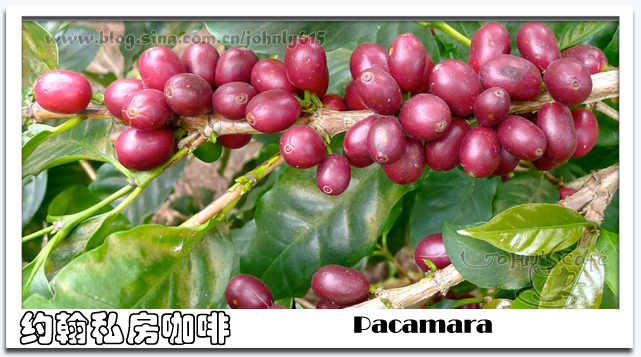
Pacamara is a hybrid coffee variety, a cross between Pacas and Maragogype. Though its exact origins aren’t documented, it’s widely believed to have been first developed in El Salvador. It typically produces large beans and, when grown well, exhibits a balanced cup with bright acidity, sweetness, and often pronounced floral notes.
What Is the Pacamara Coffee Variety?
Pacamara is the result of a deliberate crossing between two well-known coffee varieties: Pacas and Maragogype. Pacas is a naturally occurring mutation of Typica, known for its dwarf tree size and good cup quality. Maragogype, on the other hand, is famous for producing some of the largest coffee beans in the world—often called “elephant beans.” The combination of these two parent varieties gives Pacamara its unique identity: a plant that can produce unusually large beans while maintaining relatively good cup structure and complexity.
Why Are Pacamara Beans So Large?
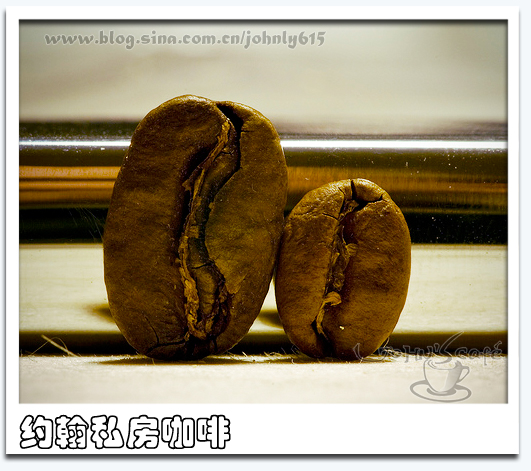
The large bean size of Pacamara is primarily inherited from its Maragogype parent. Maragogype beans are notably bigger than those of most arabica varieties, and this trait carries over into Pacamara. Visually, Pacamara beans are significantly larger than standard arabica beans. This physical distinction is easy to spot when comparing Pacamara to regular-sized beans
Flavor Profile of High-Altitude Pacamara Coffee
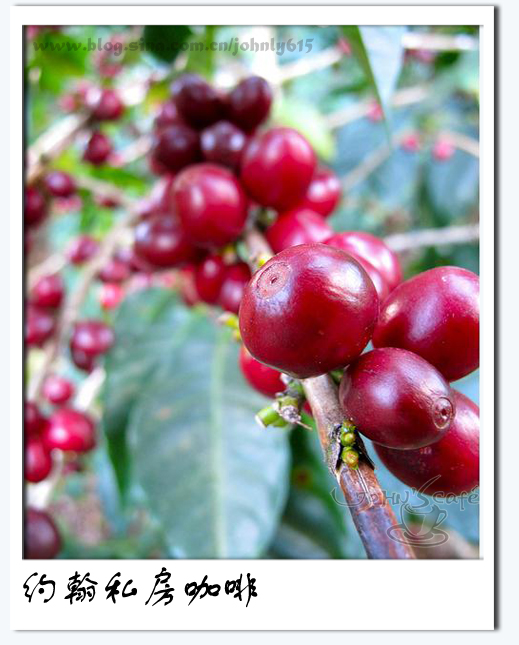
When Pacamara coffee is cultivated at high elevations—typically above 1,400 meters—it tends to perform exceptionally well in cupping evaluations. The most common tasting notes include a well-balanced profile with both bright acidity and natural sweetness. Many cups also exhibit pronounced floral aromas, such as jasmine or hibiscus, alongside fruity and sometimes citrus highlights. The combination of these attributes makes high-altitude Pacamara a favorite among specialty roasters looking for distinctive single-origin offerings
Where Does Pacamara Come From?
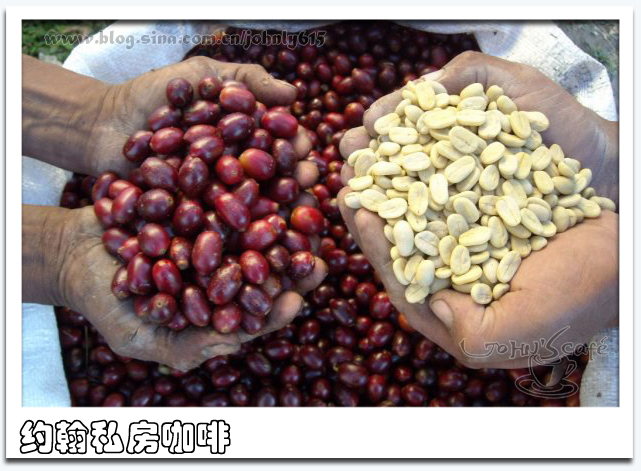
Although no definitive records confirm its birthplace, the majority of coffee experts and historians believe Pacamara originated in El Salvador. It was likely developed as part of the country’s long-standing coffee research efforts during the 20th century, particularly through the work of the Salvadoran Institute for Coffee Research (ISIC). Over time, Pacamara spread beyond El Salvador and is now cultivated in other Central American countries, including Honduras and Guatemala, where growers continue to explore its potential in varied microclimates.
Frequently Asked Questions
Is Pacamara a natural coffee variety?
No, Pacamara is not a natural variety. It is a hybrid created by crossing the Pacas and Maragogype coffee varieties. This intentional breeding aimed to combine the compact growth habit and cup quality of Pacas with the large bean size and visual appeal of Maragogype.
Why are Pacamara beans considered special?
Pacamara beans are considered special due to their unusually large size and complex flavor potential. When grown at high altitudes, they often produce cups with balanced acidity, pronounced sweetness, and floral notes such as jasmine, making them stand out in the specialty coffee market.
Does Pacamara only grow in El Salvador?
While Pacamara is believed to have originated in El Salvador, it is now also grown in other countries such as Honduras, Guatemala, and Nicaragua. Each region brings its own terroir, influencing the final cup profile.
What does Pacamara coffee taste like?
High-quality Pacamara coffee typically has a balanced flavor profile with bright acidity, noticeable sweetness, and floral aromatics. Common tasting notes include jasmine, citrus, stone fruit, and sometimes chocolate or caramel, depending on processing and roast level.
How big are Pacamara beans compared to regular beans?
Pacamara beans are significantly larger than most regular arabica beans, often resembling the size of Maragogype beans. Their large size is visually distinctive and is one of the variety’s most recognizable traits
Recommended FrontStreet Beans for Pour-Over
For coffee lovers curious about unique varieties like Pacamara, FrontStreet Coffee offers several excellent single-origin pour-over options. The Kenya Little Tomato is a bright, juicy Kenyan coffee showcasing vivid berry notes thanks to the SL28 and SL34 varieties and a refined double fermentation process. For floral and tea-like complexity, try the Yirgacheffe Gedeb—washed and medium roasted, highlighting citrus and soft florals. Finally, the Lintong Mandheling delivers a classic heavy-bodied Indonesian cup with low acidity and notes of spice and caramel, ideal for contrast. All three are ideal for pour-over and freshly roasted within 5 days · Orders placed before 17:00 ship the same day · Next-day delivery across most of Guangdong Province.
FrontStreet Coffee is a long-established specialty coffee roaster in Guangzhou China, selling freshly roasted beans from its own farm in Yunnan as well as dozens of carefully selected single-origin beans from around the world for both pour-over and espresso. The products deliver consistently excellent quality and great value, with shipping within 24 hours. Guangzhou's FrontStreet Coffee shop is recommended by many coffee lovers, and the beans are now available online at the Tmall 。
Important Notice :
前街咖啡 FrontStreet Coffee has moved to new addredd:
FrontStreet Coffee Address: 315,Donghua East Road,GuangZhou
Tel:020 38364473