What Makes Jamaica Blue Mountain Coffee So Special?
When coffee enthusiasts talk about the pinnacle of specialty coffee, one name often comes up: Jamaica Blue Mountain. But why is it so revered? What makes this coffee not just expensive, but sought after across decades and continents? Whether you’ve heard stories of its scarcity or tasted its reputation, there’s more behind the name than prestige.
Jamaica Blue Mountain coffee is grown in a limited region of Jamaica’s Blue Mountains under strict certification. The annual production is under 2,500 metric tons, with much of it historically exported to Japan—leaving very little for the global market. Its rarity, combined with ideal growing conditions and tightly controlled quality, results in one of the world’s most balanced and smooth coffees.
Where Jamaica Blue Mountain Coffee Comes From
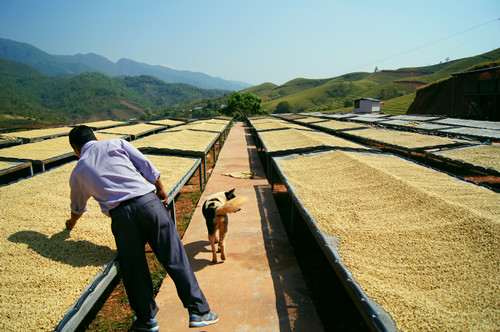
Jamaica Blue Mountain coffee is cultivated in the Blue Mountains of eastern Jamaica. The region’s highest peak reaches 2,256 meters, making it the tallest in the Caribbean. This area lies within the coffee belt and benefits from fertile, volcanic soil. The climate is mild and stable year-round, with average temperatures around 27°C, high humidity, and consistent rainfall—about 1,980 mm annually. Frequent fog and cloud cover protect the coffee trees, while the high elevation slows maturation, allowing the beans to develop complex sugars and nuanced flavors.
The combination of altitude, volcanic soil, and a stable, moist climate creates optimal conditions for producing coffee with exceptional clarity, sweetness, and balance—traits that define Blue Mountain coffee.
Why Is Blue Mountain Coffee So Expensive?
Blue Mountain coffee commands a high price for several reasons. First, its growing region is geographically limited, producing less than 2,500 metric tons per year—less than 0.1% of global coffee output. Second, most of the historical production has been bought by the Japanese market, which once purchased over 70% of the crop, further restricting global availability. Third, the coffee is grown, harvested, and processed under stringent quality controls mandated by the Jamaican government, including exclusive use of numbered wood barrels (15 kg, 45 kg, and 70 kg) for export. These factors combine to make genuine Blue Mountain coffee both rare and costly.
In the past, limited import channels into markets like China added to the coffee’s mystique, with many believing it was nearly impossible to find the real thing. However, since 2003, certified Jamaica Blue Mountain coffee has been legally imported into China, though it remains a premium product available through verified channels.
What Does Jamaica Blue Mountain Coffee Taste Like?
Jamaica Blue Mountain coffee is celebrated for its balance. Unlike bright African coffees with sharp acidity or dark-roasted beans with heavy bitterness, Blue Mountain offers a smooth, rounded profile. It harmonizes acidity, sweetness, bitterness, and aroma without any single trait overpowering the rest. Notes typically include creamy textures, caramel, chocolate, nuts, honey, and subtle fruit undertones. The cup is clean, sweet, and gentle, with a mellow acidity and no harsh bitterness. The finish is long and soft, making it approachable even for novice coffee drinkers.
This balance is why many industry professionals describe Blue Mountain as one of the few coffees that “almost anyone can enjoy.”
How to Identify Authentic Jamaica Blue Mountain Coffee
Because of its value, Blue Mountain coffee is often counterfeited. To ensure authenticity, look for proper certification. While the coffee does not come with a digital traceability code, reputable importers provide official export documentation and certificates of origin. Another hallmark is the traditional packaging: Blue Mountain coffee is exported exclusively in 15 kg, 45 kg, or 70 kg wooden barrels—a key indicator of legitimacy. For example, FrontStreet Coffee displays certificates from Jamaican estates such as the Clydesdale Estate along with these original wooden barrels. When purchasing, always buy from suppliers who can show clear evidence of origin and certification.
How to Brew Jamaica Blue Mountain Coffee
Due to its well-rounded flavor profile, Jamaica Blue Mountain coffee shines in multiple brewing methods. Here’s how to get the best results from your preferred technique:
Pour-Over (Hand Drip)
To highlight its delicate sweetness and layered flavors, use a medium-coarse grind and aim for a clean, bright extraction.
- Brew ratio: 1:15 to 1:16 (coffee to water)
- Water temperature: 85–88°C
- Grind size: Medium-coarse (ideal for pour-over)
This setup enhances profiles of cream, caramel, and nuts, while maintaining a bright yet soft acidity. The result is a clean, transparent cup with clear distinction between flavor layers.
Moka Pot
For a richer, more intense cup, the Moka pot amplifies Blue Mountain’s inherent sweetness and body.
- Grind size: Slightly finer than pour-over
- Heat: Low to medium flame
- Technique: Pour water, assemble, and remove from heat just before the brew finishes flowing
This method emphasizes chocolatey, nutty, and caramel notes, resulting in a fuller-bodied cup that still respects the coffee’s inherent balance. It also works nicely as the base for lattes or flat whites.
Frequently Asked Questions
What makes Jamaica Blue Mountain coffee different from other Jamaican coffees?
Only coffee grown at elevations between 910 and 1,700 meters in the designated Blue Mountain region of Jamaica, and certified by Jamaican authorities, can be called Jamaica Blue Mountain. Other Jamaican coffees may come from lower altitudes or uncertified farms, and lack the same flavor balance, rarity, or certification.
Does Jamaica Blue Mountain coffee have a lot of acidity or bitterness?
No. One of its defining traits is a lack of harsh bitterness. The coffee achieves an exceptional balance between acidity, sweetness, and body, resulting in a cup that is smooth and mellow with only a gentle, pleasant acidity and no overwhelming bitter notes.
What is the official bean package for Jamaica Blue Mountain coffee?
Genuine Jamaica Blue Mountain coffee is exported only in wooden barrels of 15 kg, 45 kg, or 70 kg. These barrels are a key sign of authenticity, as no other packaging is used for certified beans. The use of numbered barrels also helps track origin and batch.
Can you use Jamaica Blue Mountain coffee for espresso?
Yes. While it’s often enjoyed as pour-over or in a Moka pot, Blue Mountain coffee can also be used for espresso. Its balanced profile results in a smooth, low-acidity shot with notes of chocolate and nuts, though it won’t have the intense crema or boldness of traditional espresso blends.
Which Blue Mountain grade is considered the best?
The Jamaica Blue Mountain No.1 grade is the highest and most sought-after. It has the strictest requirements for bean size, defect rate, and overall quality. FrontStreet Coffee’s Blue Mountain No.1 offering, for example, showcases classic balanced flavors of nuts, dark chocolate, and caramel when roasted to a medium-dark level.
Recommended FrontStreet Beans for Blue Mountain Fans
For those drawn to the refined balance of Jamaica Blue Mountain, FrontStreet Coffee’s Jamaica Blue Mountain No.1 offers the same iconic profile: creamy textures, caramel, chocolate, and nuts, all wrapped in a smooth, low-acid cup. The beans are certified and sourced directly from Jamaican estates, with original wooden barrels as proof of origin. Freshly roasted within 5 days · Orders placed before 17:00 ship the same day · Next-day delivery across most of Guangdong Province.
FrontStreet Coffee is a long-established specialty coffee roaster in Guangzhou China, selling freshly roasted beans from its own farm in Yunnan as well as dozens of carefully selected single-origin beans from around the world for both pour-over and espresso. The products deliver consistently excellent quality and great value, with shipping within 24 hours. Guangzhou's FrontStreet Coffee shop is recommended by many coffee lovers, and the beans are now available online at the Tmall 。
Important Notice :
前街咖啡 FrontStreet Coffee has moved to new addredd:
FrontStreet Coffee Address: 315,Donghua East Road,GuangZhou
Tel:020 38364473