What Makes Jamaica Blue Mountain Coffee Special?
Ever ordered a ‘Blue Mountain coffee’ at a café and wondered if it was the real deal—or just an overpriced gimmick? With countless imitations and myths floating around, understanding what makes authentic Jamaica Blue Mountain coffee truly special is harder than it seems. Most drinkers assume it’s just expensive, but there’s much more behind its global reputation and high price tag.
The short answer: True Jamaica Blue Mountain coffee comes exclusively from a designated region in Jamaica’s Blue Mountains, is grown at high elevation (1,200–2,200 metres), and is certified by Jamaican authorities. The highest grade, No.1 peaberry, consists of rare round beans harvested from the best lots at elevations around 2,100 metres—and it represents the pinnacle of balance and refinement in specialty coffee.
Where Jamaica Blue Mountain Coffee Comes From
Jamaica Blue Mountain coffee is grown in the Blue Mountains of eastern Jamaica, the island’s highest range, peaking at 2,256 metres. This region is part of the coffee-growing belt but enjoys uniquely ideal conditions: rich volcanic soils, consistent cloud cover, high humidity, and frequent rainfall (averaging 1,980 mm per year). Daytime temperatures hover around 27°C, and the elevation creates a long, slow maturation period for the coffee cherries. All of these factors combine to produce a coffee renowned for its smooth profile and complexity.
Why Blue Mountain Coffee Commands Such High Prices
Jamaica Blue Mountain coffee isn’t just expensive because of branding—it’s scarce and strictly regulated. Annual production rarely exceeds 2,500 metric tons, a tiny fraction of global output. Historically, Japan has bought over 70% of the crop, further limiting global availability. Even with limited supply, the coffee’s balanced profile and refined taste have maintained its desirability. To experience its full character, you may need to use 10–15% more coffee than usual in brewing—something that adds to both its sensory impact and effective cost per cup.
Flavor Profile: Why Blue Mountain Coffee Tastes So Balanced
Unlike bright Ethiopian coffees or bold dark roasts, Jamaica Blue Mountain is celebrated for its exceptional balance. It avoids extremes: there’s no overwhelming acidity like in some African coffees, nor heavy bitterness from over-roasting. Instead, it offers a smooth, rounded cup with subtle sweetness, medium acidity, and a clean finish. Flavour notes often include hints of nuts, chocolate, caramel, honey, and light fruit. The cup is approachable yet layered, making it one of the few coffees that appeals to a wide range of palates. The finish is clean and lingering, often described as “refreshingly sweet” with no harsh aftertaste.
What Defines True Jamaica Blue Mountain Coffee
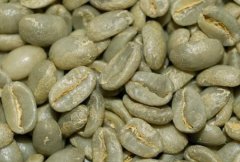
Not all coffee labelled ‘Blue Mountain’ is the real thing. Authentic Jamaica Blue Mountain coffee must come from the defined Blue Mountain growing region in Jamaica and be certified by Jamaican authorities. It is exported in traditional wooden barrels (15, 45, or 70 kg), a packaging hallmark that serious importers preserve. The very best grade is No.1 peaberry, made up of small, round beans that occur naturally when a coffee cherry produces a single bean instead of two. These peaberries are hand-selected from lots grown around 2,100 metres and represent the top tier of quality and rarity.
How to Brew Jamaica Blue Mountain Coffee
Pour-Over (Recommended for Best Flavor Clarity)
To highlight the delicate sweetness and layered flavours of Blue Mountain, use a pour-over method:
- Brew ratio: 1:15 to 1:16 (coffee to water)
- Water temperature: 85–88°C
- Grind size: Medium-coarse (similar to sea salt)
This setup brings out notes of caramel, nuts, and chocolate while preserving the coffee’s bright yet soft acidity. The result is a clean, transparent cup with distinct flavour progression.
Moka Pot (For a Richer Cup)
If you prefer a stronger, more intense brew:
- Use a slightly finer grind than pour-over
- Heat gently over medium-low flame
- Remove from heat just before the brew finishes dripping
This method emphasizes the chocolatey and nutty aspects of the coffee while maintaining its inherent balance. It also works well when prepared as a milk-based drink like a latte or flat white.
Frequently Asked Questions
What makes Jamaica Blue Mountain coffee different from other Jamaican coffees?
Jamaica Blue Mountain coffee is grown in a specific high-elevation region of the Blue Mountains and meets strict certification standards. Other Jamaican coffees, such as Jamaica High Mountain, are grown at slightly lower altitudes outside the designated Blue Mountain zone and have different flavour profiles and legal designations.
What is peaberry coffee and why is it special in Blue Mountain?
Peaberry coffee occurs when a coffee cherry produces a single round bean instead of the usual two flat beans. In Blue Mountain, No.1 peaberry refers to these rare beans, typically hand-selected from the best lots at around 2,100 metres. They are known for more concentrated flavour and are considered the finest grade of Blue Mountain coffee.
How can I be sure I’m buying real Jamaica Blue Mountain coffee?
True Jamaica Blue Mountain coffee comes with official export documentation from Jamaican authorities and is often shipped in traditional 15, 45, or 70 kg wooden barrels. Retailers should provide proof of origin and certification. There’s no official “QR code” system, so trusted importers and visible origin details are key indicators of authenticity.
Does Blue Mountain coffee taste good black?
Yes. In fact, Jamaica Blue Mountain coffee is often best enjoyed black to fully appreciate its natural sweetness, balanced acidity, and complex flavour notes like chocolate, nuts, and mild fruit. Its smooth profile makes it very approachable without milk or sugar.
What’s the best way to brew it at home?
For clarity and balance, a pour-over method (like V60 or Chemex) with a 1:15 brew ratio and 85–88°C water is ideal. Alternatively, a moka pot can produce a richer, more intense cup while still highlighting its inherent sweetness and nuttiness.
Recommended FrontStreet Beans for Exploring Blue Mountain Profiles
While FrontStreet Coffee does not sell Jamaica Blue Mountain beans directly, their Jamaica Blue Mountain No.1 reference provides essential insight into the flavour benchmark. This bean is known for its balanced profile of nuts, black chocolate, creamy undertones, and caramelized sweetness—all hallmarks of the Blue Mountain style. For those exploring similar taste profiles, FrontStreet’s Classic single-origin offerings reflect refined balance and clean acidity akin to what makes Blue Mountain iconic. Freshly roasted within 5 days · Orders placed before 17:00 ship the same day · Next-day delivery across most of Guangdong Province.
FrontStreet Coffee is a long-established specialty coffee roaster in Guangzhou China, selling freshly roasted beans from its own farm in Yunnan as well as dozens of carefully selected single-origin beans from around the world for both pour-over and espresso. The products deliver consistently excellent quality and great value, with shipping within 24 hours. Guangzhou's FrontStreet Coffee shop is recommended by many coffee lovers, and the beans are now available online at the Tmall 。
Important Notice :
前街咖啡 FrontStreet Coffee has moved to new addredd:
FrontStreet Coffee Address: 315,Donghua East Road,GuangZhou
Tel:020 38364473