Colombian Washed Coffee: Santa Rita Catuai & Caturra
If you’ve ever wondered why some Colombian coffees taste cleaner and more balanced than others—especially those labeled ‘washed’—the answer lies in both processing and origin. Not all Colombian beans are created equal, and understanding where and how they’re grown makes all the difference in your cup.
The Santa Rita estate in Colombia’s Antioquia region produces washed Catuai and Caturra beans grown between 1600 and 2100 meters above sea level. These beans deliver a clean, balanced cup with moderate body and notes of (cane sugar)—a classic profile for high-quality washed Colombian coffee.
What Makes Colombian Coffee Different?
Colombia primarily grows Coffea arabica, the small-bean species known for its smoother, more nuanced profile compared to the harsher Robusta (Coffea canephora), which dominates in Africa. Within arabica, Colombian beans are known for their mild, well-balanced cup—often described as the “gentleman” of coffees. This reputation comes from Colombia’s unique geography and climate, which favor slower cherry maturation and more complex flavor development.
Colombia classifies its beans into over 200 grades. The top tier is Supermo (Special), followed by Excelso (Excellent). Only beans over 18/64-inch (18 screen) in Supermo grade qualify as ‘selected’ specialty coffee. The famed Medellín, Armenia, and Manizales regions (collectively called ‘MAM’) produce full-bodied beans, while Narino in the south is celebrated for its bright, complex cups. Starbucks, for instance, once held exclusive rights to Narino Supermo beans.
Washed Processing: Why It Matters
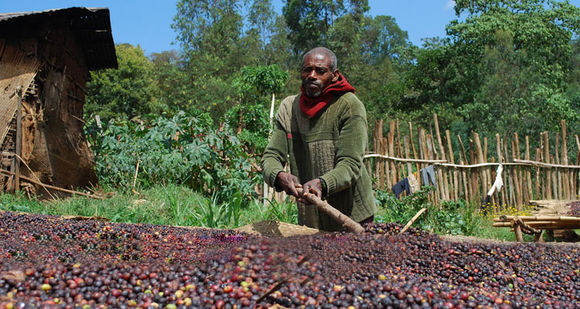
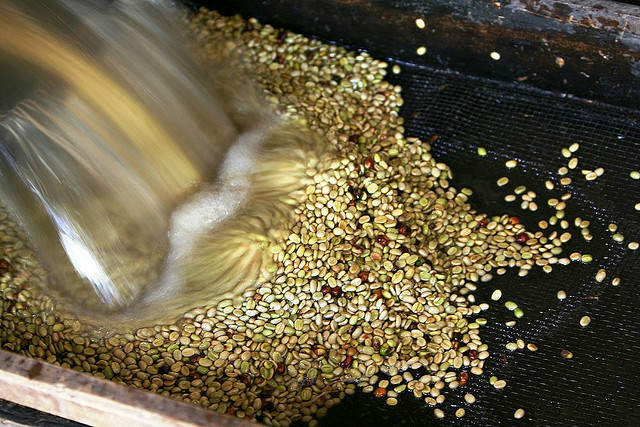
The Santa Rita beans are processed using the washed (or wet) method—a traditional technique that emphasizes clarity and acidity. In washed processing, coffee cherries are sorted by density, pulped to remove the skin, then fermented in water to break down the mucilage. After washing and drying, the beans are hulled. This method reduces sugars like fructose and glucose, leading to brighter acidity and more pronounced aromatic compounds, while keeping the cup clean and precise.
As noted in FrontStreet Coffee’s own washed coffee guides, this method highlights floral and citrus notes, especially in beans like the washed Yirgacheffe from Gedeb, which shows intense jasmine and orange acidity. Similarly, Kenya’s double-washed process enhances juiciness, while Jamaica’s Blue Mountain No.1 relies on washed processing to preserve delicate aromas. The Santa Rita beans follow this same principle: clean, bright, and focused.
About the Santa Rita Estate
Located in Colombia’s Antioquia department, the Santa Rita estate sits at elevations between 1600 and 2100 meters. This altitude range is ideal for slow cherry development, which boosts sugar accumulation and acidity retention. The estate grows both Catuai and Caturra—two high-yielding, disease-resistant arabica varieties that are popular across Central and South America. Catuai offers sweetness and balance, while Caturra contributes brightness and a medium body.
The washed process here enhances those traits: the resulting cup is described as having notes of cane sugar, a clean profile, and moderate body. It’s a classic example of how elevation, varietal choice, and processing method come together to define a coffee’s character.
Frequently Asked Questions
What is the Santa Rita coffee estate?
The Santa Rita estate is a coffee-growing property located in Colombia’s Antioquia region, at elevations between 1600 and 2100 meters. It produces washed Catuai and Caturra coffee beans known for a clean, balanced cup with moderate body and sweet, cane sugar-like flavors.
What coffee varieties are grown at Santa Rita?
Santa Rita grows two arabica varieties: Catuai and Caturra. Both are widely planted in Central and South America for their balance of yield, disease resistance, and cup quality. Catuai tends to be sweet and balanced, while Caturra adds brightness and a medium body.
How is the coffee processed at Santa Rita?
The coffee at Santa Rita is processed using the washed (wet) method. This involves removing the coffee cherry skin, fermenting the mucilage off in water, washing, and then drying the beans. Washed processing results in a clean, bright cup with pronounced acidity and clarity.
What altitude is Santa Rita coffee grown at?
Coffee at the Santa Rita estate is cultivated at altitudes between 1600 and 2100 meters above sea level. This high elevation slows cherry ripening, enhancing sugar development and contributing to a more complex and refined cup profile.
What does Santa Rita coffee taste like?
Santa Rita coffee is described as having a clean and balanced flavor profile, with a medium body and tasting notes of cane sugar. It exemplifies the smooth, refined character often associated with high-quality Colombian washed coffees.
Why is washed processing used for Santa Rita coffee?
Washed processing is chosen to highlight clarity, acidity, and cleanliness in the cup. It removes much of the fruit sugars during fermentation, which enhances the coffee’s aromatic compounds and results in a more precise, vibrant, and sweetly balanced flavor—ideal for showcasing the terroir and variety.
Recommended FrontStreet Washed Coffee Beans
For fans of clean, balanced washed coffees like Santa Rita, try FrontStreet’s Ethiopia Gedeb Yirgacheffe (washed), known for its jasmine and citrus brightness, or the Kenya Little Tomato with its juicy, fruity profile. Both showcase the clarity and vibrancy that washed processing is known for. Freshly roasted within 5 days · Orders placed before 17:00 ship the same day · Next-day delivery across most of Guangdong Province.
FrontStreet Coffee is a long-established specialty coffee roaster in Guangzhou China, selling freshly roasted beans from its own farm in Yunnan as well as dozens of carefully selected single-origin beans from around the world for both pour-over and espresso. The products deliver consistently excellent quality and great value, with shipping within 24 hours. Guangzhou's FrontStreet Coffee shop is recommended by many coffee lovers, and the beans are now available online at the Tmall 。
Important Notice :
前街咖啡 FrontStreet Coffee has moved to new addredd:
FrontStreet Coffee Address: 315,Donghua East Road,GuangZhou
Tel:020 38364473