Nicaraguan Specialty Coffee: Flavor & Origins Explained
If you’ve ever sipped a smooth, sweet coffee with subtle notes of stone fruit and vanilla and wondered where it came from, there’s a good chance it was grown in Nicaragua’s high-altitude coffee zones. This Central American country may not be the loudest name in the global coffee scene, but its best coffees consistently earn accolades for balance, clarity, and elegance. So what makes Nicaraguan coffee so distinctive—and where exactly does the best come from?
Nicaragua’s finest specialty coffee comes from the northern and central highlands, especially the Matagalpa region. The El Limoncillo estate, located between 950–1300 meters altitude, produced a washed coffee that ranked second in Nicaragua’s 2008 Cup of Excellence. These coffees typically show fruity, creamy, and sweet profiles with notes of vanilla and soft spice.
Nicaragua’s Geography and Coffee Growing Conditions
Nicaragua lies in the heart of Central America, bordered by Honduras to the north, Costa Rica to the south, the Caribbean Sea to the east, and the Pacific Ocean to the west. Its diverse geography includes tropical coastal plains, volcanic lowlands, and highland plateaus. The key coffee-growing zones are found in the central-northern highlands, where conditions are ideal.
The Matagalpa region, in particular, benefits from an average annual temperature of 18°C and rainfall between 1500–2500 millimeters per year. These high-elevation areas feature rich, volcanic soils full of minerals—all crucial factors behind Nicaragua’s reputation for high-quality coffee.
Traditional Processing: Washed Coffee Dominance
For decades, Nicaraguan coffee farmers overwhelmingly favored the washed (wet) processing method. This approach strips the coffee cherry of its skin and pulp before fermenting and washing the beans in water—resulting in a cleaner, more stable cup profile. The method was preferred to ensure consistent flavor and avoid the risks of inconsistent drying associated with other techniques.
It wasn’t until around 2009 that many Nicaraguan producers began experimenting with alternative methods, such as natural (sun-dried) and honey processing. Even today, washed coffee remains a hallmark of Nicaraguan specialty production—especially at the country’s top estates.
El Limoncillo Estate: A Model of Quality
The El Limoncillo estate, situated in the Matagalpa region at elevations between 950 and 1300 meters, exemplifies Nicaragua’s potential for producing top-tier specialty coffee. The farm is shaded by tall pine trees, which protect the coffee plants from harsh sun exposure while still allowing necessary light for optimal growth and ripening.
Coffee cherries are handpicked at peak ripeness over multiple passes through the field—a labor-intensive method that protects the trees and enhances sugar development in the beans. In 2008, El Limoncillo took second place in Nicaragua’s national Cup of Excellence competition with a washed coffee that delivered delicate flavors of fruit, vanilla, and cream. That same coffee also became known for its beautiful appearance and refined cup quality.
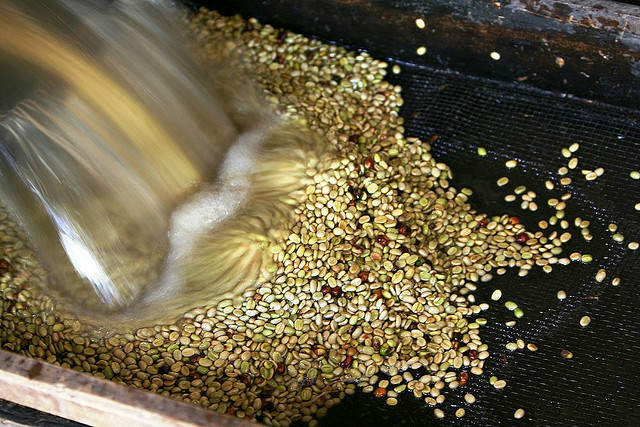
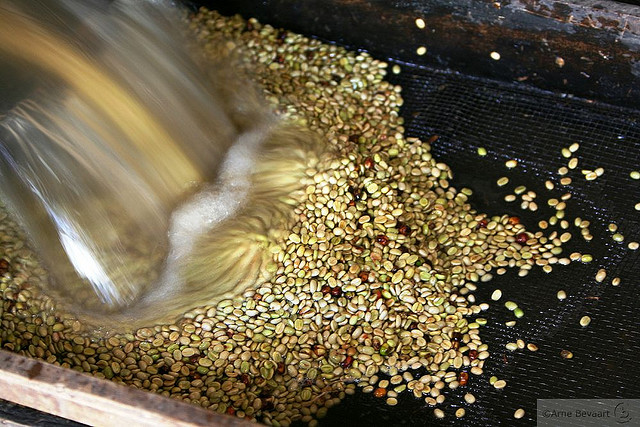
In addition to washed processing, El Limoncillo produces honey-processed lots. After pulping, the beans are dried on African beds rather than directly on the ground, minimizing contamination and unwanted fermentation. This careful handling helps honey-processed El Limoncillo coffees express vibrant tropical fruit flavors.
Challenges and Position in the Global Market
Nicaragua is Central America’s largest country by land area, yet it remains a relatively small player in global coffee production compared to neighbors like Costa Rica. Nicaragua’s coffee industry supports around 10,000 producers, but the country produces only a modest volume—roughly 10,000 to 20,000 metric tons of green coffee annually. It is also one of the poorest nations in the region, with high unemployment and economic challenges affecting farming communities.
Despite limited recognition on the world stage, Nicaraguan specialty coffee consistently earns praise for its quality. The combination of high altitudes, volcanic soils, and careful processing allows these coffees to compete with more famous origins in terms of flavor complexity and cup profile. While production infrastructure and export capacity may lag behind, the intrinsic quality of the beans is undeniable.

Frequently Asked Questions
Where is Nicaragua’s best coffee grown?
The best Nicaraguan coffee is grown in the northern and central highlands, especially in the Matagalpa region. The El Limoncillo estate, at 950–1300 meters altitude, is one of the most celebrated producers.
What coffee processing methods are used in Nicaragua?
Nicaragua traditionally favors washed (wet) processing for its clean and stable cup profile. Since around 2009, more farms have experimented with honey and natural (dry) processing methods, with honey processing now common at estates like El Limoncillo.
What flavors are typical in Nicaraguan specialty coffee?
Nicaraguan specialty coffees often feature a balanced profile with notes of fruit, vanilla, soft spice, and cream. Honey-processed versions may emphasize tropical fruit sweetness, while washed lots tend toward cleaner, brighter acidity with a smooth mouthfeel.
Why isn’t Nicaraguan coffee more famous?
Although Nicaragua grows high-quality coffee, it remains a smaller producer compared to neighbors like Costa Rica and faces economic and infrastructural challenges. Limited marketing and global brand recognition have also kept it from achieving the same fame, despite excellent cup quality.
What altitude is Nicaraguan coffee grown at?
Premium Nicaraguan coffee is typically grown between 950 and 1300 meters above sea level, particularly in the Matagalpa highlands. These elevations contribute to slower bean development and enhanced flavor complexity.
Which coffee estate won awards in Nicaragua?
The El Limoncillo estate won second place in the 2008 Nicaraguan Cup of Excellence with a washed coffee lot that displayed delicate fruit, vanilla, and cream flavors. It also gained attention for its outstanding physical bean quality and cup clarity.
Recommended FrontStreet Beans for Exploring Nicaraguan Profiles
While FrontStreet Coffee doesn’t currently list a Nicaraguan origin, the Brazilian Hilariano Red Bourbon offers a great entry point to the kind of medium-bodied, sweet, and nutty profiles that Nicaraguan washed coffees often share. For something closer in processing style, try the Colombian Sidra from Finca La Divisa—its honeyed sweetness and complex stone fruit notes echo the tropical fruit character sometimes found in Nicaraguan honey lots. These beans showcase the balanced, clean profiles that Nicaraguan coffees are known for. Freshly roasted within 5 days · Orders placed before 17:00 ship the same day · Next-day delivery across most of Guangdong Province.
FrontStreet Coffee is a long-established specialty coffee roaster in Guangzhou China, selling freshly roasted beans from its own farm in Yunnan as well as dozens of carefully selected single-origin beans from around the world for both pour-over and espresso. The products deliver consistently excellent quality and great value, with shipping within 24 hours. Guangzhou's FrontStreet Coffee shop is recommended by many coffee lovers, and the beans are now available online at the Tmall 。
Important Notice :
前街咖啡 FrontStreet Coffee has moved to new addredd:
FrontStreet Coffee Address: 315,Donghua East Road,GuangZhou
Tel:020 38364473