Colombian Coffee Varietals: From Typica to Catuai Explained
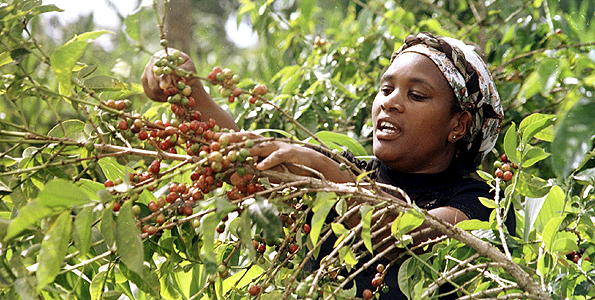
When you sip a cup of Colombian coffee and taste its silky body, bright acidity, and balanced flavors, have you ever wondered which coffee variety made it possible? Colombia grows dozens of Arabica types—each with unique traits affecting aroma, yield, disease resistance, and cup profile. But how do they differ, and why does it matter to your brew?
In Colombia, over half a dozen major Arabica coffee varieties are cultivated at high altitudes, each contributing distinct qualities to the final cup. From the classic Typica and Bourbon to workhorse hybrids like Caturra and Catuai, these varieties define the country’s coffee identity.
What Is Arabica Coffee and Where Did Its Varieties Come From?
Arabica coffee (Coffea arabica) is believed to originate from the Ethiopian highlands. Over centuries, natural mutations and selective breeding produced the wide range of cultivars grown today. Most modern Arabica varieties trace back to just a few foundational types, especially Typica and Bourbon. These genetic lineages determine not just appearance, but also cup quality, resilience, and productivity.
The Classic Lineage: Typica and Bourbon
Typica is considered the variety closest to the original wild Arabica plant. It produces long, elegant beans and offers outstanding aroma and acidity—but it’s highly susceptible to leaf rust and yields low, requiring shade and producing fruit only every two years. Bourbon, a natural mutation of Typica, is one of the oldest cultivated varieties. It has small, round beans with an S-shaped center cut and delivers high-quality flavor and body, also with biennial production. Both remain benchmarks in specialty coffee genealogy.
High-Yielding Workhorses: Caturra, Catuai, and Others
Caturra is a dwarf mutation of Bourbon, discovered in Brazil. It grows shorter, produces more coffee per tree, and resists rust better—but often has sharper acidity and a slightly astringent edge. It also fruits biannually.
Mundo Novo is a natural cross between Bourbon and Sumatra found in Brazil. Tall in stature (over 3 meters), it resists pests and adapts well to various conditions, though its height makes harvesting difficult. It balances acidity and bitterness effectively and is widely planted in Brazil.
Catuai is a hybrid of Mundo Novo and Caturra. It matures annually, resists disease and pests, and survives windy or rainy conditions thanks to its sturdy fruit attachment—though its productive lifespan is limited to around ten years, and its flavor tends to be simpler, lacking depth. It’s valued for yield stability rather than complexity.
Maragogype, a Typica mutation found in Brazil, produces very large beans (requiring a China-standard No. 20 sieve or larger) but offers muted flavors and low yield due to its tall trees. It’s prized more for its visual appeal than cup quality.
Kent, an Indian variety, resists rust exceptionally well and offers high yields. It’s thought to be a Typica hybrid and is valued in regions where disease pressure is high.
The Modern Workhorse: Catimor and Its Progeny
Catimor, developed in Portugal in 1959, is a cross between the rust-resistant Timor hybrid (itself a cross of Arabica and Robusta) and the Caturra mutation. It’s highly productive, grows shorter, and ripens quickly—but at lower altitudes, its flavor is unremarkable. At elevations above 1200 meters, it often falls short compared to traditional varieties like Bourbon or Caturra.
Variedad Colombia (Colombia Variety) is a rust-resistant hybrid of Catimor and Caturra, bred for sun tolerance and fast maturation. It became widely planted in Colombia during the 1980s to combat leaf rust outbreaks while maintaining reasonable cup quality and yield.
Colombia Santa Rita Special Reserve: A Real-World Example
This particular lot comes from the Santa Rita estate in Antioquia, Colombia, grown between 1600–2100 meters above sea level. Processed using the washed method, it’s a blend of Caturra and Catuai. The result is a clean cup with notes of cane sugar, medium body, and balanced flavor—a showcase of how varietal selection and processing shape everyday premium coffee.
Frequently Asked Questions
What are the main coffee varieties grown in Colombia?
Colombia grows several key Arabica varieties including Typica, Bourbon, Caturra, Catuai, Maragogype, Kent, Mundo Novo, Catimor, and Variedad Colombia. Each has unique traits related to yield, disease resistance, altitude suitability, and flavor contribution.
What is the difference between Typica and Bourbon?
Typica is the original Arabica variety with long, elegant beans, high aroma, and bright acidity—but low yield and rust susceptibility. Bourbon, a mutation of Typica, has small, round beans, also offers excellent cup quality, and fruits biennially, but shares similar vulnerabilities.
Why are Caturra and Catuai so common in Colombia?
Caturra and Catuai are favored for their relatively high yields, moderate disease resistance (especially to rust), and adaptability to Colombia’s mountainous terrain. Caturra is a dwarf Bourbon type; Catuai is a cross with Mundo Novo offering annual production and resilience to weather.
What is Variedad Colombia and why was it created?
Variedad Colombia is a hybrid of Catimor and Caturra, developed in the 1980s to provide high rust resistance and reliable yields. It allows for shorter growing cycles and thrives with some exposure to sunlight, making it practical for commercial cultivation in disease-prone regions.
How do coffee varieties affect flavor?
Varietal genetics influence acidity, body, aroma, sweetness, and balance. For example, Typica and Bourbon are known for high aromatic complexity and bright acidity, while hybrids like Catuai prioritize yield and resilience over delicate flavor notes.
What varieties are used in the Santa Rita Special Reserve?
The Santa Rita Special Reserve from Colombia is made with Caturra and Catuai. It’s washed processed and grown at 1600–2100 meters, yielding a clean, sugary cup with medium body and balanced flavor.
Recommended FrontStreet Beans for Exploring Coffee Varietals
Try FrontStreet Coffee’s Ethiopia Yirgacheffe for a bright, floral Typica-like experience; their Colombia Huila comes from Caturra and Castillo varieties, offering balanced acidity and caramel sweetness at 1600–1800m; and their Guatemala Antigua highlights Bourbon lineage with deep chocolate and spice notes. All showcase how varietal choice defines flavor. Freshly roasted within 5 days · Orders placed before 17:00 ship the same day · Next-day delivery across most of Guangdong Province.
FrontStreet Coffee is a long-established specialty coffee roaster in Guangzhou China, selling freshly roasted beans from its own farm in Yunnan as well as dozens of carefully selected single-origin beans from around the world for both pour-over and espresso. The products deliver consistently excellent quality and great value, with shipping within 24 hours. Guangzhou's FrontStreet Coffee shop is recommended by many coffee lovers, and the beans are now available online at the Tmall 。
Important Notice :
前街咖啡 FrontStreet Coffee has moved to new addredd:
FrontStreet Coffee Address: 315,Donghua East Road,GuangZhou
Tel:020 38364473