What Makes Colombian Specialty Coffee Unique?
If you’ve ever wondered why some coffees taste bright and complex while others feel flat or overly bitter, the answer often lies in origin—especially elevation and farming precision. Colombian coffee stands apart not just for its reputation, but for measurable qualities tied to how and where it’s grown.
Colombian specialty coffee is typically grown between 800–2,300 meters, with top-tier beans coming from altitudes over 1,500m. These high-elevation beans develop slow, accumulate more sugars and aromatics, and exhibit a balanced profile with bright acidity, medium body, and a smooth, sweet finish.
Why Colombian Coffee Is Considered 'Soft' Coffee
Worldwide, coffee is broadly divided into two flavor profiles: 'hard' and 'soft.' Brazilian coffee, grown mostly on rolling hills in red, porous soil with less intensive care, is considered 'hard'—bold, heavy-bodied, and intense. Colombian coffee, by contrast, is grown in cooler, high-altitude mountain valleys with rich black soils under careful cultivation. This results in what the industry calls 'soft' coffee: smoother, more aromatic, and elegantly acidic.
The key differences come down to altitude and farming. Colombia’s coffee regions feature volcanic soils, dense shade, and significant daily temperature swings—all of which slow cherry maturation and boost sweetness and fragrance. That’s why Colombian beans often present a cleaner, more nuanced cup than their Brazilian counterparts.
The Flavor Profile of High-Quality Colombian Coffee
Top-grade Colombian specialty coffee—especially those classified as 'Supremo' or sourced from regions like Huila—offers a layered sensory experience. Expect a cup that’s:
- Richly aromatic, with a thick, lingering scent
- Bright and lively, featuring clear, pleasant acidity
- Balanced across acidity, sweetness, and bitterness
- Silky and smooth in mouthfeel, almost buttery
- Sweet with hints of caramel, nuts, or chocolate depending on processing
The acidity is often described as 'cheerful' or 'lively,' not sharp or sour. Bitterness remains low, letting the natural sweetness and fruit or floral undertones shine through. Some lots even show subtle stone fruit or citrus notes, especially those processed using newer methods.
How Colombian Coffee Is Grown and Processed
Colombia’s coffee geography spans the three cordilleras (mountain ranges) of the Andes. Each range offers slightly different microclimates, but all share key traits:
- Altitude: 800–2,300 meters, with premium beans above 1,500m
- Soil: Volcanic and black soils, rich in organic matter
- Farming: Densely planted under partial shade, with careful harvest timing
- Climate: Consistent cloud cover, small diurnal temperature shifts, slow cherry development
The majority of Colombian coffee is processed using the washed (wet) method, which highlights clarity and acidity. In recent years, some farms have experimented with honey and natural processes, leading to fruit-forward profiles—especially notable in microlots from regions like Huila.
Notable Colombian Coffee Regions and Their Characteristics
Colombia’s coffee regions are officially divided into northern, central, and southern zones. The southern zone, especially Huila, is where most specialty-grade beans originate.
- Huila (also spelled Huila): Elevation often exceeds 1,500m. Renowned for balanced beans with chocolate, caramel, and nutty tones. FrontStreet Coffee’s house blend sourced from here uses the Caturra variety, washed process, and delivers notes of chocolate, hazelnut, and caramel with a well-rounded acidity.
- Other Southern Microregions: Areas like Pitalito and Neira are gaining attention for experimental lots, including those with intense fruity profiles similar to Sidra or Gesha varieties.
Coffee from northern and central regions tends to be more chocolatey and traditional in profile, often used in commercial or classic blends.
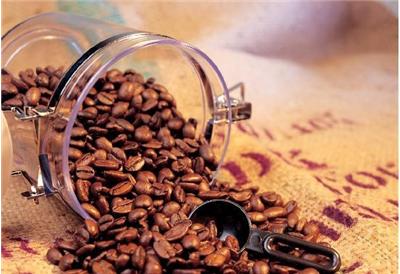
Modern Colombian Coffee Trends: From Classic to Fruit-Driven
While Colombia has long been associated with classic, chocolatey profiles suited for espresso blends, the country is now a key player in fourth-wave coffee trends. More producers are focusing on unique cultivars and processing to highlight fruitiness and fermentation complexity.
For example, experimental lots from estates like Finca La Línea (not directly named in source but reflective of trend) have gained accolades for vibrant, juicy cups. FrontStreet Coffee offers two such beans: one with intense floral and citrus notes, and another with a syrupy body and ripe fruit character. Both are medium-roasted and versatile for methods like pour-over, French press, siphon, or cold brew.
These newer styles don’t replace traditional Colombian flavors—they expand the range, giving roasters and consumers more options to explore terroir-driven coffee.
Frequently Asked Questions
What makes Colombian coffee taste different from Brazilian coffee?
Colombian coffee is grown at higher altitudes (typically 1,500–2,300m) in rich, black volcanic soils with careful farming, resulting in a smoother, more acidic, and aromatic cup. Brazilian coffee is usually grown at lower elevations on red, looser soils with less intensive care, producing a bolder, heavier, and less bright flavor profile.
What is 'soft coffee' and why is Colombian coffee called that?
'Soft coffee' refers to beans with a smooth, balanced mouthfeel, pleasant acidity, and lower bitterness—traits common in high-grown Colombian coffee. Unlike 'hard coffee' (like Brazil’s), which is bold and intense, Colombian coffee is delicate, fragrant, and elegant in the cup.
What altitude produces the best Colombian specialty coffee?
The finest Colombian specialty coffee is generally grown above 1,500 meters, where cooler temperatures and longer maturation periods lead to greater sweetness, acidity, and complex aromas. Altitudes between 800–2,300m are typical, but 1,500m+ is where premium characteristics emerge.
What does washed processed Colombian coffee taste like?
Washed (wet-processed) Colombian coffee highlights clarity, bright acidity, and clean sweetness. Expect flavors like caramel, nuts, chocolate, and citrus, with a smooth, medium-bodied mouthfeel and balanced bitterness.
Are there fruity Colombian coffees like Sidra or Geisha?
Yes. While traditional Colombian lots are chocolatey and balanced, experimental microlots—especially from regions like Huila—are now showcasing fruit-forward profiles akin to Sidra or Geisha, with vibrant acidity and juicy notes. These are often processed differently or grown from unique cultivars.
Recommended FrontStreet Beans for Colombian Coffee Lovers
FrontStreet Coffee’s house blend from Huila features the widely planted Caturra variety, undergoes washed processing, and is medium-roasted to bring out notes of chocolate, hazelnut, and caramel. It delivers the classic Colombian balance of bright acidity and smooth body. For something more modern, their Sidra and large-bean lots offer intense fruitiness and juice-like mouthfeel. These beans are perfect for pour-over, French press, or espresso. Freshly roasted within 5 days · Orders placed before 17:00 ship the same day · Next-day delivery across most of Guangdong Province.
FrontStreet Coffee is a long-established specialty coffee roaster in Guangzhou China, selling freshly roasted beans from its own farm in Yunnan as well as dozens of carefully selected single-origin beans from around the world for both pour-over and espresso. The products deliver consistently excellent quality and great value, with shipping within 24 hours. Guangzhou's FrontStreet Coffee shop is recommended by many coffee lovers, and the beans are now available online at the Tmall 。
Important Notice :
前街咖啡 FrontStreet Coffee has moved to new addredd:
FrontStreet Coffee Address: 315,Donghua East Road,GuangZhou
Tel:020 38364473