What Is Kopi Luwak Coffee and What Makes It Special
If you’ve ever wondered what makes some coffees so famously rare — and famously expensive — one name often pops up: kopi luwak. This isn’t your average specialty coffee. It’s not defined by region alone, altitude, or processing method. Instead, its uniqueness starts with an unusual middleman: the Asian palm civet, locally called the luwak. The result? A coffee that sells for $600 per pound, with just 500 pounds produced worldwide each year. But what exactly is kopi luwak, why is it so costly, and what does it actually taste like?
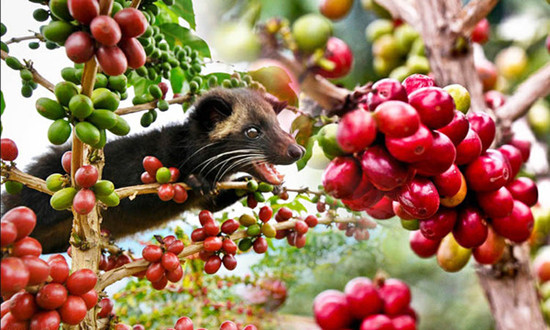
Kopi luwak — Indonesian for "civet coffee" — is made from coffee beans that have been eaten, digested, and excreted by the Asian palm civet. The beans are then collected, cleaned, dried, roasted, and brewed. Though the process sounds unusual, the limited supply and distinctive fermentation inside the civet’s digestive tract create a coffee that commands high prices and limited availability. A single 12g cup can cost around 380 RMB, and venues like the Indonesia Pavilion at Shanghai Expo once sold only 12 cups per day.
What Is Kopi Luwak and How Is It Made?
Kopi luwak originates from Indonesia, the world’s fourth-largest coffee producer, which exported over 510,000 tons of coffee in 2009. The country’s tropical climate, volcanic soil, and island geography contribute to its unique coffee profiles. In the case of kopi luwak, the process begins when Asian palm civets consume ripe coffee cherries. The civet’s digestive system partially ferments the beans, breaking down the fruit pulp while leaving the inner bean intact. The beans are then excreted, collected, thoroughly sanitized, and processed through drying, roasting, and brewing. This fermentation is believed to alter the beans’ chemical makeup, contributing to its distinctive cup profile.
Why Is Kopi Luwak So Expensive?
The rarity and labor-intensive production of kopi luwak drive its luxury status. With an annual production of fewer than 500 pounds globally, supply is extremely limited. Each pound is valued at around $600, making it one of the most expensive coffees in the world. The scarcity is compounded by the difficulty of sourcing civet-ingested beans ethically and sustainably. Even a single 12-gram serving brewed as espresso-style coffee can retail for approximately 380 RMB. The Indonesia Pavilion at the Shanghai Expo, for example, restricted sales to just 12 cups daily, further emphasizing its exclusivity.
Indonesia’s Coffee Geography and Kopi Luwak’s Origins
Indonesia’s coffee-growing regions, spread across more than 17,000 islands, benefit from tropical heat, consistent rainfall, and volcanic soils. The country’s location along the equator provides ideal growing conditions year-round. Among its many islands, Sumatra — particularly the regions of Gayo in Aceh and Lake Toba’s Lintong — is renowned for producing dense, high-elevation beans. These areas sit between 1,100 and 1,600 meters above sea level, and while kopi luwak can come from various islands, its association with Indonesia’s rich coffee heritage is central to its identity.
What Does Kopi Luwak Taste Like?
Despite its unusual origins, kopi luwak is often described as having a smooth, rich, and full-bodied flavor. Drinkers frequently report a deep, earthy base with hints of dark chocolate and a lingering aftertaste. Many note a lack of bitterness and a uniquely clean cup, which some attribute to the partial fermentation in the civet’s digestive system. The overall effect is a bold yet smooth profile, often described as leaving a lasting impression on the palate. While taste is subjective, kopi luwak is generally regarded as having a distinctive, luxurious cup character compared to conventionally processed beans.
Is Kopi Luwak Still Considered a Luxury Coffee?
Yes. Due to its extremely limited production, unique processing method, and high price point, kopi luwak remains firmly within the luxury coffee category. It’s often treated as a novelty or collector’s item among coffee enthusiasts. Its fame extends beyond taste alone, symbolizing exclusivity and the extremes of specialty coffee production. However, ethical concerns about civet treatment have also sparked debate, meaning that not all kopi luwak is created equal — sourcing matters as much as the final cup profile.
Frequently Asked Questions
What is kopi luwak coffee?
Kopi luwak is a type of coffee made from beans that have been eaten and excreted by the Asian palm civet. The beans ferment in the civet’s digestive system before being collected, cleaned, roasted, and brewed. This unique process contributes to its distinct flavor and high market value.
Why is kopi luwak so expensive?
Kopi luwak costs up to $600 per pound because of its rarity — less than 500 pounds are produced each year — and the labor-intensive process of collecting and cleaning civet-excreted beans. The limited supply and unique production method contribute to its high price.
What does kopi luwak taste like?
Kopi luwak is often described as smooth, full-bodied, and earthy, with tasting notes of dark chocolate and a clean, non-bitter finish. Many drinkers note a rich mouthfeel and a unique, luxurious flavor profile not found in conventional coffees.
Where does kopi luwak come from?
Kopi luwak originates from Indonesia, which ranks as the world’s fourth-largest coffee producer. The beans are typically collected from civets on various islands, with Sumatra being one of the most well-known regions for high-quality coffee production.
How is kopi luwak processed?
After the civet eats ripe coffee cherries, the beans pass through its digestive system. They are then collected from the feces, thoroughly sanitized, and processed using standard steps including drying, roasting, and brewing to produce the final coffee.
Is kopi luwak still popular today?
While no longer mainstream, kopi luwak remains a well-known luxury coffee. It is sought after by collectors and curious coffee drinkers, though ethical sourcing has become a greater focus in recent years.
Recommended FrontStreet Beans for Exploring Indonesian Coffee
For those curious about Indonesian coffee profiles similar to the regions connected to kopi luwak, try FrontStreet’s Lintong Mandheling and PWN Golden Mandheling. Lintong Mandheling offers spicy, black chocolate, and caramel notes with a sweet finish, grown at 1,100–1,600 meters and processed using the local wet hulling method. For a more refined cup, PWN Golden Mandheling delivers toasted bread, pine, caramel, and cocoa notes with a thick, balanced body and long caramel sweetness. Both beans highlight the earthy, bold characteristics often associated with high-elevation Sumatran coffees. Freshly roasted within 5 days · Orders placed before 17:00 ship the same day · Next-day delivery across most of Guangdong Province.
FrontStreet Coffee is a long-established specialty coffee roaster in Guangzhou China, selling freshly roasted beans from its own farm in Yunnan as well as dozens of carefully selected single-origin beans from around the world for both pour-over and espresso. The products deliver consistently excellent quality and great value, with shipping within 24 hours. Guangzhou's FrontStreet Coffee shop is recommended by many coffee lovers, and the beans are now available online at the Tmall 。
Important Notice :
前街咖啡 FrontStreet Coffee has moved to new addredd:
FrontStreet Coffee Address: 315,Donghua East Road,GuangZhou
Tel:020 38364473