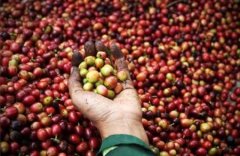
Costa Rican Coffee Beans: Flavor, Profile & Key Regions
When you’re searching for a coffee with bright acidity, a clean cup, and distinct fruit or floral notes, Costa Rica often tops the list. But what makes Costa Rican beans stand out in a market crowded with options? The answer lies in altitude, processing, and a long history of producing high-quality, export-grade coffee with precision. This guide breaks down the key features, regions, and processing methods behind Costa Rica’s most respected coffees.
Costa Rican coffee is known for its bright acidity, balanced body, and medium-to-high sweetness. Most premium beans come from regions over 1,500 meters above sea level—especially Tarrazú—and are processed via washed or honey methods, with six distinct honey types recognized by local regulations.
What Makes Costa Rican Coffee Special?
The hallmark of Costa Rican coffee is its ideal balance: bright, wine-like acidity paired with a clean, almost tea-like body. These traits come from high-altitude growing conditions, volcanic soils, and a national focus on quality over quantity. The country produces around 1700 kg of coffee per hectare—the highest yield in Central America. Despite having just 3.5 million people, Costa Rica has over 400 million coffee trees, and coffee makes up 25% of its exports.
Why Altitude Matters in Costa Rican Coffee
Altitude is a defining factor in Costa Rican coffee quality. Beans grown above 1,500 meters are classified as SHB (Strictly Hard Bean), which means slower maturation due to cooler temperatures, leading to denser beans with more complex flavors. Higher altitudes also bring increased rainfall and extended flowering periods, both of which contribute to greater cup complexity. However, the logistics of transporting beans from high mountain farms can add significant cost, impacting profitability despite premium quality.
Top Coffee-Growing Regions in Costa Rica
Several regions define Costa Rica’s coffee map, each with unique microclimates:
- Tarrazú: The most famous region, located south of San José. Coffees here are bright, structured, and aromatic. The limited-production La Minita Tarrazú is a renowned microlot, grown on a single estate without synthetic inputs and handpicked to preserve bean integrity.

- Heredia (including La Virgen and San Rafael): Known for sweet, balanced profiles with mild acidity.
- Alajuela (including Sarchi and San Miguel): Home to the Sarchi coffee grown near Poás Volcano, known for fruity and vibrant cups. Sarchi is also part of Costa Rica’s famous “Coffee Route.”
- Central Valley: Includes regions like San José and Escazú, offering well-rounded, easy-drinking profiles.
How Coffee Is Processed in Costa Rica
Historically, Costa Rica relied on traditional washed processing. Due to water shortages, producers innovated a localized version of honey process—now a signature method. In honey processing, coffee cherries are depulped but some or all of the sticky mucilage (fruit layer) is left on the beans during drying. The amount of mucilage determines the honey type:
- Black Honey: Almost all mucilage retained; long drying time (14+ days), resulting in bold, sweet, berry-like flavors (as in FrontStreet’s Blackberry coffee).
- Red Honey: Moderate mucilage; balanced sweetness and acidity.
- Yellow Honey: Less mucilage; brighter and drier profile.
- White Honey: Minimal mucilage; light and clean cup.
- Golden Honey / Grape Honey: Rare processes like grape-drying (used in FrontStreet’s Mozart) involve drying pre-fermented, raisin-like cherries with full mucilage for intense fermentation notes.
Coffee that doesn’t meet export quality is dyed blue and sold domestically—about 10% of production stays in the country, where per capita consumption is twice that of the US or Italy.
Quality Control and Innovation
The Costa Rican coffee industry is one of the most organized in the world. The government-run Oficina del Café now oversees quality control, including the practice of coloring substandard beans blue before redirecting them to local markets. Farms increasingly use technology such as electronic eye sorting to remove defective or irregularly sized beans, improving consistency and reducing waste.
Frequently Asked Questions
What makes Costa Rican coffee different from other Latin American coffees?
Costa Rican coffee is typically brighter and more acidic than many other Latin American origins, with a clean, crisp cup. It’s grown mostly at high altitudes (1,500+ meters), classified as SHB, and processed with meticulous care—either washed or through one of six regulated honey methods. The focus on quality, altitude, and volcanic soil gives it a distinct profile.
What is SHB coffee in Costa Rica?
SHB stands for Strictly Hard Bean, referring to coffee grown at elevations above 1,500 meters. These beans mature more slowly in cooler temperatures, resulting in a denser bean with more concentrated flavors, higher acidity, and better sweetness—key traits in premium Costa Rican lots.
What are the different honey processes in Costa Rica?
Costa Rica legally recognizes six honey processes: Black, Red, Yellow, White, Golden, and Grape (used for fermentation-heavy styles like FrontStreet’s Mozart). The classification depends on how much mucilage is left on the bean during drying, directly affecting sweetness, body, and fermentation notes.
Which region in Costa Rica produces the best coffee?
Tarrazú is the most famous and respected region, known for producing bright, aromatic, and well-structured coffees. Other notable regions include Heredia, Alajuela (home to Sarchi), and the Central Valley. Each offers a slightly different profile based on microclimate and processing.
Why is altitude important for coffee flavor?
Higher altitudes mean cooler temperatures, which slow coffee cherry ripening. This results in denser beans with more complex sugars and acids. In Costa Rica, altitudes over 1,500 meters are ideal for developing the bright acidity and rich flavors the country is known for.
Does Costa Rica still use the washed process?
Yes, washed (or wet) processing is still widely used in Costa Rica, especially in regions with reliable water access. However, due to water shortages, many farms have adopted honey processing, which uses less water and often highlights fruitier or sweeter profiles.
Recommended FrontStreet Coffee Beans from Costa Rica
For a true taste of Costa Rica’s signature brightness and complexity, try FrontStreet Coffee’s Blackberry—a Black Honey processed lot with intense berry sweetness and a syrupy body, ideal for those who enjoy rich, fruit-forward profiles. For fermentation lovers, the Mozart employs a grape-like, raisined drying method with full mucilage for deep notes of grape, rose, and wine. Both beans highlight Costa Rica’s innovation in honey processing and its high-altitude terroir. Freshly roasted within 5 days · Orders placed before 17:00 ship the same day · Next-day delivery across most of Guangdong Province.
FrontStreet Coffee is a long-established specialty coffee roaster in Guangzhou China, selling freshly roasted beans from its own farm in Yunnan as well as dozens of carefully selected single-origin beans from around the world for both pour-over and espresso. The products deliver consistently excellent quality and great value, with shipping within 24 hours. Guangzhou's FrontStreet Coffee shop is recommended by many coffee lovers, and the beans are now available online at the Tmall 。
Important Notice :
前街咖啡 FrontStreet Coffee has moved to new addredd:
FrontStreet Coffee Address: 315,Donghua East Road,GuangZhou
Tel:020 38364473