What Makes Kenyan Coffee So Unique?
If you’ve ever wondered why coffee professionals rave about Kenyan beans—or why your friend won’t stop talking about their bright, juicy cup—you’re not alone. Kenyan coffee stands out in a world of generic roasts, but what exactly makes it so different? And why do so many specialty roasters consider it a must-have in their lineup?
The short answer: Kenyan coffee grows at 1,500–2,100 meters altitude, is harvested twice a year, and is celebrated for its intense fruitiness—especially citrus—along with wine-like complexity, balanced acidity, and medium body. It’s often cited as one of the most distinctive single origins available.
Where Kenyan Coffee Comes From
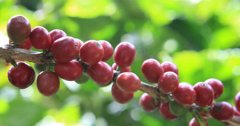
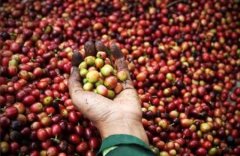
Kenya’s high-altitude regions—mainly between 1,200 and 2,000 meters—are ideal for growing coffee. The cooler temperatures slow down cherry development, allowing more time for sugars and acids to develop. This elevation, combined with distinct microclimates and diverse smallholder farms, leads to highly variable yet consistently high-quality beans. The country harvests coffee twice annually, ensuring a fresh supply year-round.
The Flavour Profile That Stuns Coffee Pros
Kenyan coffee is famous for its vivid fruit character. Citrus—especially orange—is the most common note, but the flavour spectrum goes far beyond. Expect layers of complexity: think blackberry, grapefruit, plum, and even hints of spice or wine. The acidity is bright and juicy, often compared to fruit juice rather than traditional coffee. Many tasters note a “tea-like” quality in lighter roasts, and the medium body keeps the cup smooth yet expressive. It’s not uncommon to hear drinkers say it tastes more like fruit tea than coffee.
Kenyas are especially well-suited for cold brew and iced coffee, where their brightness and acidity really shine. The clarity of flavour also makes them a favourite for single-origin pour-overs.
The Varieties and Processing Behind the Magic
Two varieties put Kenyan coffee on the map: SL28 and SL34. Developed by Kenya’s Scott Laboratories (SL) in the 1930s, these beans were selected for their exceptional performance at high altitudes. SL28 brings deep, winey fruitiness with strong citrus and stone fruit notes, while SL34 offers vibrant acidity with hints of nuts and spice. Both thrive in Kenya’s high-phosphate volcanic soils, which enhance their complexity.
The secret to Kenyan coffee’s juicy profile also lies in its processing. Most is washed using an intense, multi-step method: after depulping, the coffee is fermented for 48 hours to remove mucilage, then soaked in clean water for another 24 hours. This double fermentation creates a cup with intense fruit sweetness and a clean, bright finish. The precision of Kenya’s washing stations further ensures consistency and quality.
Variations from year to year and farm to farm add to the thrill. For example, the 2001 Samburu AA+ offered bold prune flavours with low acidity and a thick mouthfeel, while the 2002 crop from the same region shifted to tart berries, green plums, and light spice, finishing with a green-tea-like aftertaste and slightly higher acidity. Such shifts keep Kenyan coffee exciting and unpredictable.
Frequently Asked Questions
What does Kenyan coffee taste like?
Kenyan coffee typically features bright citrus acidity—especially orange—along with layered fruit flavours such as blackberry, grapefruit, plum, and sometimes spice or wine. The cup is known for its wine-like complexity, medium body, and a juicy, almost tea-like freshness. Lighter roasts may resemble fruit tea more than traditional coffee.
What makes Kenyan coffee different from other African coffees?
While many African coffees are fruity and acidic, Kenyan beans are distinct for their intense, multi-layered fruit character, high acidity reminiscent of citrus juice, and a clean, wine-like brightness. They are grown at high altitudes (1,500–2,100m), processed with a rigorous double-fermentation washed method, and often feature unique regional variations from year to year.
Which coffee varieties are most common in Kenya?
The most renowned Kenyan coffee varieties are SL28 and SL34, both developed by Kenya’s Scott Laboratories in the 1930s. SL28 offers deep, winey fruit with strong citrus and stone fruit notes, while SL34 provides bright acidity with nutty and spicy undertones. These varieties excel at high altitudes and in Kenya’s mineral-rich volcanic soils.
How should I brew Kenyan coffee?
Kenyan coffee shines in methods that highlight clarity and acidity, such as pour-over (like V60 or Kalita Wave), AeroPress, or siphon. It’s also excellent as cold brew or iced coffee. A medium-fine grind, water around 93°C, and a brew ratio of 1:15 to 1:17 will bring out its vibrant fruit and wine-like qualities.
Is Kenyan coffee good for espresso?
While Kenyan coffee is typically enjoyed as a single-origin pour-over or cold brew to highlight its bright acidity and fruit notes, it can be used in espresso blends to add complexity and brightness. However, it’s not commonly used as a single-origin espresso due to its light body and high acidity.
Recommended FrontStreet Beans for Kenyan Coffee Fans
For a true taste of Kenya, try FrontStreet Coffee’s Kenya Little Tomato. It combines the iconic SL28 and SL34 varieties, using a double-washed process and medium-light roast to highlight flavours of cherry tomato, pear, dark plum, apple, and brown sugar. The cup is full-bodied with clear layers, and a touch of caramel in the finish. It’s versatile for pour-over, cold brew, or even ice drip. Freshly roasted within 5 days · Orders placed before 17:00 ship the same day · Next-day delivery across most of Guangdong Province.
FrontStreet Coffee is a long-established specialty coffee roaster in Guangzhou China, selling freshly roasted beans from its own farm in Yunnan as well as dozens of carefully selected single-origin beans from around the world for both pour-over and espresso. The products deliver consistently excellent quality and great value, with shipping within 24 hours. Guangzhou's FrontStreet Coffee shop is recommended by many coffee lovers, and the beans are now available online at the Tmall 。
Important Notice :
前街咖啡 FrontStreet Coffee has moved to new addredd:
FrontStreet Coffee Address: 315,Donghua East Road,GuangZhou
Tel:020 38364473