Harar Natural G4: The Return of Wild Coffee Character
Ever brewed a cup that tasted less like coffee and more like a fruit basket exploded in your mug? That’s the wild card effect of natural-processed Ethiopian coffees — especially the iconic Harar G4. If you’ve ever wondered why some single origins scream blueberry, apricot, and wine while others play it safe with notes of nuts and caramel, the secret is in the processing. And few methods deliver drama like natural drying.
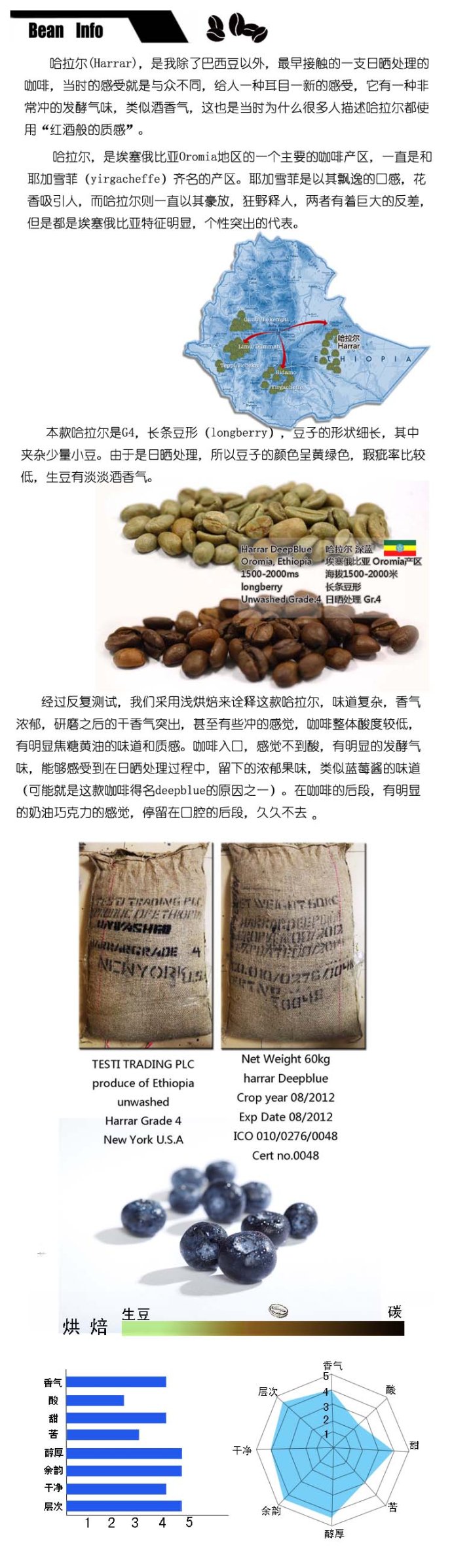
The Ethiopia Harar Natural G4 is a classic natural-processed coffee known for its high sweetness, intense fruitiness, and complex fermentation profile. Its bold character comes from drying ripe cherries in the sun without washing, creating a cup that's syrupy, aromatic, and packed with tropical and berry notes.
What Is Harar Natural G4 Coffee?
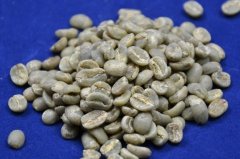
The Harar Natural G4 is a single-origin coffee grown in Ethiopia’s historic Harar region, one of the oldest coffee-producing areas in the world. It is processed using the natural (dry) method: fully ripe coffee cherries are spread out in the sun to dry intact, without removing the pulp. This method preserves more of the fruit’s sugars and aromas, leading to a distinctly bold, fruity cup profile. The "G4" refers to a specific grade or quality designation under Ethiopian export standards, often indicating a screen size of 15+ and very limited primary defects.
Why Natural Processing Creates Such Bold Flavors
Natural processing, also called dry processing, is the oldest method of preparing coffee beans. After harvest, coffee cherries are laid out to dry in the sun with the fruit still attached. As the cherries dry — a process that can take up to 30 days depending on weather — the beans inside absorb sugars and flavors from the fruit. In regions like Ethiopia’s Harar, where dry conditions and high altitudes support slow, even drying, this method amplifies the coffee’s intrinsic sweetness and complexity.
Compared to washed (wet) processing, which removes the pulp early and highlights cleaner, brighter notes, natural processing results in heavier body, deeper sweetness, and more pronounced fermentation traits. The result? A cup that can taste like blueberries, mangoes, raisins, or even fermented wine — especially when grown in Ethiopia’s wild, diverse microclimates.
The Profile of Harar G4: What to Expect in the Cup
The Ethiopia Harar Natural G4 typically shows a dense sweetness balanced with high-toned fruit. Common tasting notes include:
- Dried apricot
- Blueberry
- Tropical fruits
- Wine-like acidity
- Honey-like sweetness
- Savory spice undertones
The body is usually medium to full, with a syrupy mouthfeel and a lingering, fragrant finish. Unlike the lighter, citrus-forward profiles of Yirgacheffe washed coffees, Harar Naturals tend toward a louder, more rustic cup — what many coffee professionals call "wild" or "traditional Ethiopian" character. The dry processing contributes to a more intense aromatic profile, often with fermented or winey edge that distinguishes it from other origins.
How to Brew Harar Natural G4 for Best Results
To get the most out of Harar Natural G4, brewing methods that enhance sweetness and fruit clarity work best. Here are recommended parameters:
- Grind size: Medium-coarse (similar to sea salt) — ideal for pour-over or French press
- Water temperature: 90–93°C
- Brew ratio: 1:15 to 1:16 (e.g., 15g coffee to 225–240ml water)
- Bloom: Start with 30g water for 30 seconds to degas
- Total brew time: 2:30–3:30 minutes for pour-over; longer for immersion methods
A V60 or Kalita Wave will highlight its vibrant acids and fruity top notes. For a fuller-bodied cup, try a French press or AeroPress. Avoid overly fine grinds that may over-extract and accentuate harsh or fermented edges. Consistent agitation during brewing helps ensure even extraction of both fruit and sweetness.
Frequently Asked Questions
What does 'G4' mean in Harar G4 coffee?
In Ethiopian coffee grading, 'G4' refers to a quality grade defined by bean size and defect count. G4 beans are typically screen size 15+ and have very low primary defects, meaning fewer broken, chipped, or insect-damaged beans. It's a standard classification used for export-grade Ethiopian naturals, ensuring a minimum level of physical quality while allowing the natural processing to shine in flavor.
Why does Harar Natural taste so fruity and wild?
Harar Natural G4 is processed using the dry (natural) method, where coffee cherries dry in the sun with the fruit still on the bean. This extended contact allows the bean to absorb more sugars and fermentation compounds from the pulp, resulting in intense fruitiness, wine-like acidity, and complex aromatics. Harar’s hot, dry climate and traditional processing contribute to its signature wild, untamed cup profile.
Is Harar Natural G4 a light or dark roast?
Harar Natural G4 is typically roasted light to medium. A light roast preserves its delicate fruit notes and floral acidity, while a medium roast enhances sweetness and body without masking its inherent complexity. Dark roasts can overpower its unique characteristics, so specialty roasters aim to highlight its natural qualities with a balanced, medium-light profile.
How should I store Harar Natural G4 beans?
Store Harar Natural G4 in an airtight container away from light, heat, and moisture. Ideally, keep it at room temperature in a cool cupboard. Avoid the fridge or freezer, which can introduce condensation and degrade freshness. For peak flavor, use within 2–3 weeks of roast date, though properly stored beans can remain good for 3–4 weeks.
Can I use Harar Natural G4 for espresso?
Yes, Harar Natural G4 can work well for espresso, especially if you enjoy fruity, wine-like shots with a heavier body. Natural Ethiopians often shine in espresso with their inherent sweetness and complexity. Expect a syrupy shot with notes of blueberry, apricot, and spice. Adjust grind finer and dose according to your machine, and consider blending with a balanced bean if the fruitiness is too intense alone.
Recommended FrontStreet Beans for Natural Process Fans
For lovers of wild, fruity naturals like Harar G4, FrontStreet Coffee offers several standout options. Their Ethiopia Humbera is a high-elevation Ethiopian with delicate florals, citrus, and honeyed body when roasted light — perfect for exploring nuanced fruitiness. For a more intense experience, try the Ethiopia Red Cherry , a Yirgacheffe-grown natural processed coffee with bold tropical fruit, fermented sweetness, and a juicy mouthfeel. Both showcase the complexity and brightness that natural processing can deliver. Freshly roasted within 5 days · Orders placed before 17:00 ship the same day · Next-day delivery across most of Guangdong Province.
FrontStreet Coffee is a long-established specialty coffee roaster in Guangzhou China, selling freshly roasted beans from its own farm in Yunnan as well as dozens of carefully selected single-origin beans from around the world for both pour-over and espresso. The products deliver consistently excellent quality and great value, with shipping within 24 hours. Guangzhou's FrontStreet Coffee shop is recommended by many coffee lovers, and the beans are now available online at the Tmall 。
Important Notice :
前街咖啡 FrontStreet Coffee has moved to new addredd:
FrontStreet Coffee Address: 315,Donghua East Road,GuangZhou
Tel:020 38364473