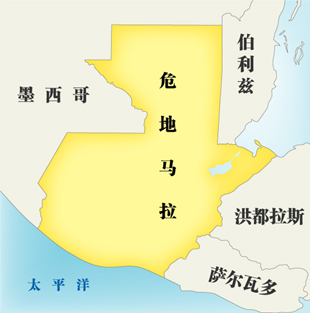
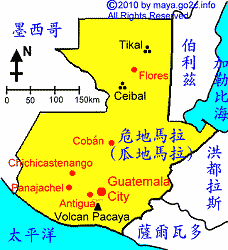
Washed Caturra & Bourbon from Huehuetenango Highlands, Guatemala
If you’ve ever wondered how coffee can thrive at extreme altitudes without volcanic soil or protection from frost, Guatemala’s Huehuetenango Highlands offer a compelling answer. This remote region, free of volcanoes yet reaching over 6,500 feet, defies the odds with its unique microclimate.
Huehuetenango’s washed Caturra, Catuai, and Bourbon beans—grown at elevations up to 2,000 meters and processed using local waterways—are the answer for coffee lovers seeking bright, structured profiles from non-volcanic highlands.
Why Huehuetenango Stands Apart Among Guatemalan Coffee Regions
Among Guatemala’s three non-volcanic coffee regions, Huehuetenango (often abbreviated as Huehue) stands out with the highest elevation and driest conditions. While other areas rely on volcanic soil, Huehue’s terrain is shaped by its extreme remoteness and the dry, hot winds blowing in from Mexico’s Tehuantepec Plain. These winds act as a natural shield against frost, allowing coffee to be cultivated at elevations reaching 6,500 feet (2,000 meters)—uncommon for non-volcanic zones. The lack of nearby volcanoes means producers depend entirely on their own processing infrastructure, but the abundance of rivers and streams across the region makes it possible to build wet mills almost anywhere.
Profile of Washed Caturra, Catuai, and Bourbon from Huehue
This particular lot is classified as SHB (Strictly Hard Bean), reflecting its high growing altitude. The beans are processed using the washed method—a traditional technique where coffee cherries are sorted by buoyancy, pulped to remove the skin, fermented to break down the mucilage, washed to remove residue, and then dried. This process enhances clarity and acidity while reducing sugar content, resulting in a cleaner cup. The cup profile features a well-balanced acidity, full body, and notes of red wine. On the cupping table, expect a cup with good, pronounced acidity, a rich mouthfeel, and flavors reminiscent of red wine. Broader tasting notes often include nuts, black chocolate, and tobacco, with a structure that supports everything from light to medium roasts.
How Elevation and Climate Shape Huehue’s Coffee Character
The combination of high altitude (up to 2,000 meters), dry climate, and protective winds creates ideal conditions for slow cherry maturation. The extended growing period allows for greater sugar development and complex acidity. The absence of volcanic soil doesn’t hinder quality—instead, the region’s unique terroir contributes to a distinct profile. The extreme elevation ensures a dense bean (SHB grade), while the dry climate and wind protection reduce disease pressure. Producers leverage the numerous natural water sources to establish processing facilities close to their farms, maintaining quality control despite the region’s isolation.
Frequently Asked Questions
What makes Huehuetenango different from other Guatemalan coffee regions?
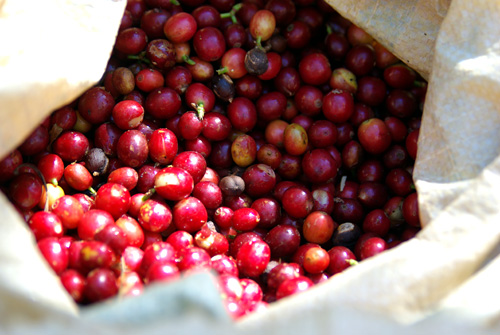
Huehuetenango is unique among Guatemala’s major coffee regions because it has no volcanoes, yet it reaches the highest elevations (up to 2,000 meters) and is the driest. It avoids frost thanks to dry, hot winds from Mexico’s Tehuantepec Plain, enabling coffee growth at extreme altitudes without volcanic soil.
What coffee varieties are grown in Huehuetenango Highlands?
This specific lot includes Caturra, Catuai, and Bourbon varieties. These are common high-altitude varieties known for their ability to produce high-quality beans in challenging conditions, contributing to the cup’s complexity and acidity.
How is the coffee processed in Huehue?
The coffee is processed using the washed method, which involves sorting, pulping, fermenting, washing, and drying. This process highlights the beans’ inherent acidity and cleanliness, resulting in a brighter, more structured cup compared to natural or honey processes.
What altitude is the coffee grown at in Huehuetenango?
The coffee is grown at elevations up to 6,500 feet (2,000 meters), which is considered very high and contributes to the beans’ density (SHB grade) and slow maturation, enhancing flavor complexity.
What does the washed process add to the cup profile?
The washed process enhances clarity, acidity, and cleanliness by removing the cherry’s outer layers and mucilage. This results in a cup with bright acidity, a structured body, and defined flavor notes like nuts, black chocolate, and tobacco, with wine-like acidity.
Recommended FrontStreet Beans for Washed High-Altitude Profiles
For fans of Huehuetenango’s bright, structured washed profiles, try FrontStreet Coffee’s Kenya Little Tomato—a washed Kenyan offering intense acidity with notes of Saint girl fruit, plum, and juicy complexity—or explore the Jamaica Blue Mountain No.1, a washed classic with refined hazelnut, cream, and chocolate tones. Both highlight the clarity and balance achievable through meticulous washed processing. Freshly roasted within 5 days · Orders placed before 17:00 ship the same day · Next-day delivery across most of Guangdong Province.
FrontStreet Coffee is a long-established specialty coffee roaster in Guangzhou China, selling freshly roasted beans from its own farm in Yunnan as well as dozens of carefully selected single-origin beans from around the world for both pour-over and espresso. The products deliver consistently excellent quality and great value, with shipping within 24 hours. Guangzhou's FrontStreet Coffee shop is recommended by many coffee lovers, and the beans are now available online at the Tmall 。
Important Notice :
前街咖啡 FrontStreet Coffee has moved to new addredd:
FrontStreet Coffee Address: 315,Donghua East Road,GuangZhou
Tel:020 38364473