Fraijanes Plateau: Guatemala’s Volcanic Coffee Zone
When you taste a Guatemalan coffee with vivid brightness, syrupy body, and unmistakable winey depth, there's a good chance it comes from the Fraijanes Plateau. But what exactly sets this zone apart from better-known regions like Antigua or Huehuetenango? The answer lies beneath your feet—and above your head.
The Fraijanes Plateau delivers unique high-altitude coffee thanks to its pumice-rich volcanic soils, regular moisture, and persistent volcanic activity—including ash fallout from nearby Pacaya, one of Guatemala’s most active volcanoes.
Where Is the Fraijanes Plateau?
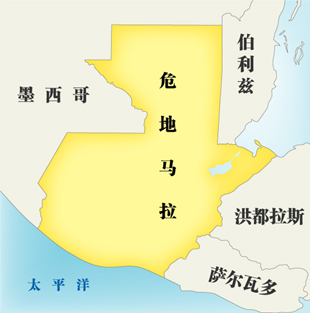
The Fraijanes Plateau sits near Guatemala City, adjacent to the famous Antigua region. While close in proximity to Antigua, Fraijanes has its own distinct microclimate shaped by frequent rainfall, shifting humidity levels, and more variable temperatures. These conditions, combined with elevations reaching up to 1,675 metres, create an environment ideal for slow cherry maturation and complex cup profiles.
Soil & Volcanic Influence
Like Antigua, the Fraijanes Plateau features volcanic soils rich in pumice—a lightweight, porous volcanic rock that improves drainage and encourages root development. This soil type is a key contributor to the region’s coffee quality. Moreover, the ongoing activity of the Pacaya volcano deposits fresh ash across the region, replenishing essential minerals in the soil and supporting long-term fertility.
Climate & Processing Methods
Fraijanes enjoys strong sunlight during the dry season, though mornings often bring cloud cover and heavy dew. These mists evaporate quickly, reducing fungal risk but contributing to the area’s higher average humidity. Due to these conditions, most producers opt for the natural (sun-dried) processing method. However, some farms—like Finca Las Delicias—process using washed methods to highlight different flavour angles.
The region’s climate variability means that while daytime temperatures are high, nighttime cooling contributes to a marked diurnal shift, further enhancing sugar accumulation and acidity retention in the coffee cherry.
Fraijanes Coffee Flavour Profile
Coffees from Fraijanes typically express a bright, lingering acidity paired with rich body and pronounced aromatic complexity. Tasters often note winey notes, floral tones, and deep sweetness—attributes tied both to the terroir and common varietals like Bourbon and Caturra.
In the washed process example from Finca Las Delicias, brewed cups show black tea-like brightness, layered florals, and a strong caramel sweetness. Such profiles underline how processing choices interact with Fraijanes’ inherent growing conditions to shape the final cup.
Key Details of Finca Las Delicias
One notable producer from the region is Finca Las Delicias, located in Guatemala City’s Fraijanes area:
- Country: Guatemala
- Growing Altitude: 1,675m
- Harvest Window: October to February
- Coffee Grade: SHB (Strictly Hard Bean)
- Processing Method: Washed
- Coffee Varieties: Bourbon, Caturra
- Processing Mill: Finca Las Delicias
- Flavour Notes: Black tea, floral aromas, intense caramel
Frequently Asked Questions
What makes Fraijanes Plateau coffee different from Antigua coffee?
Fraijanes and Antigua both have volcanic soils and high altitudes, but Fraijanes experiences more variable humidity, greater rainfall, and more fluctuating temperatures. These factors lead to differences in processing methods (more natural in Fraijanes) and slightly distinct cup profiles, with Fraijanes often showcasing a syrupy body and vibrant floral-caramel notes alongside winey acidity.
Does the Pacaya volcano affect Fraijanes coffee?
Yes. Pacaya is one of Guatemala’s most active volcanoes, and it regularly deposits volcanic ash on the Fraijanes Plateau. This ash adds fresh minerals to the already pumice-rich soils, enhancing soil fertility and contributing to the unique terroir that influences the coffee’s mineral complexity and overall cup quality.
What processing methods are used in Fraijanes?
Most coffee in Fraijanes is processed using the natural (sun-dried) method due to the region’s climate with fast-evaporating morning mists and strong sunlight. However, some farms, such as Finca Las Delicias, produce washed lots that highlight floral and caramel tones with a tea-like brightness.
What coffee varieties grow in Fraijanes?
Common varieties in Fraijanes include Bourbon and Caturra, both of which thrive in high altitudes and volcanic soils. These varieties contribute to the region’s signature bright acidity and winey, sweet cup profiles.
What altitude is Fraijanes Plateau coffee grown at?
Coffee in the Fraijanes Plateau is cultivated at elevations up to 1,675 metres above sea level. This high growing altitude slows cherry ripening, leading to greater sugar development and more complex acidity in the beans.
Recommended FrontStreet Beans with Similar Profiles
For drinkers exploring high-altitude Guatemalan coffees with bright acidity and syrupy sweetness, try FrontStreet Brazil Queen Manor (Yellow Bourbon from high-altitude Moji Guaçu) for intense caramel and peanut notes, or FrontStreet Kenya Little Tomato (SL28/SL34) for vibrant citrus and tomato-like acidity. Both share Fraijanes’ traits of clarity and depth. Freshly roasted within 5 days · Orders placed before 17:00 ship the same day · Next-day delivery across most of Guangdong Province.
FrontStreet Coffee is a long-established specialty coffee roaster in Guangzhou China, selling freshly roasted beans from its own farm in Yunnan as well as dozens of carefully selected single-origin beans from around the world for both pour-over and espresso. The products deliver consistently excellent quality and great value, with shipping within 24 hours. Guangzhou's FrontStreet Coffee shop is recommended by many coffee lovers, and the beans are now available online at the Tmall 。
Important Notice :
前街咖啡 FrontStreet Coffee has moved to new addredd:
FrontStreet Coffee Address: 315,Donghua East Road,GuangZhou
Tel:020 38364473