Colombia’s Narino Coffee Region: Altitude, Flavor & Origin
When coffee lovers ask where to find some of Colombia’s most acclaimed high-altitude beans, one answer rises quickly above the rest: Narino. This remote southwestern province doesn’t just grow coffee—it grows some of the country’s most awarded and distinctive beans, often ranked among the best in national cuppings. But what makes Narino stand out? The answer lies in its geography, farming traditions, and unique processing environment.
Narino, Colombia’s first Denomination of Origin-certified coffee region, has claimed the top spots in national competitions—including sweeping 8 of the top 10 and 17 of the top 21 at the 2010 Cup of Excellence. That’s not just recognition; it’s a statement.
Where Is Narino and Why Does It Matter?
Narino (locally spelled , often poetically translated as “Narino”) is a province in southwestern Colombia, approximately 640 kilometers from Bogotá. It borders Ecuador to the south, Cauca to the north, Huila to the northeast, Putumayo to the southeast, and the Pacific Ocean to the west. Its location—right along the equator yet at high elevation—makes it ideal for growing exceptional coffee.
What Gives Narino Its Coffee Edge?
Narino’s coffee-growing potential comes from several natural advantages. The region sits near the equator at around 1 degree north latitude, giving it intense year-round sunlight. More importantly, elevations range from 1,600 to over 2,300 meters—some areas even have year-round snow-capped peaks. These high altitudes, combined with steep, rugged slopes, create microclimates with significant temperature variation that protect coffee plants from frost even at elevation. Volcanic soils enrich the roots with nutrients, while a unique rainfall pattern supports steady growth.
Rain falls heavily from October to May (the wet season), then drops off in June through August (the dry season). Yet even in dry months, warm winds from the continent meet cool nights to produce humidity, reducing water stress on trees. Flowering typically begins after the first September rain, with harvesting starting in April and lasting—especially at higher altitudes—into August.
How Is Coffee Processed in Narino?
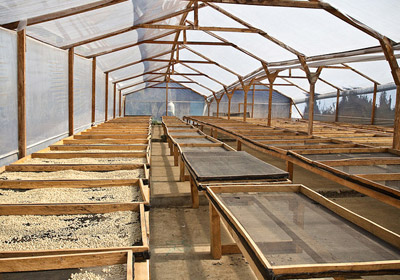
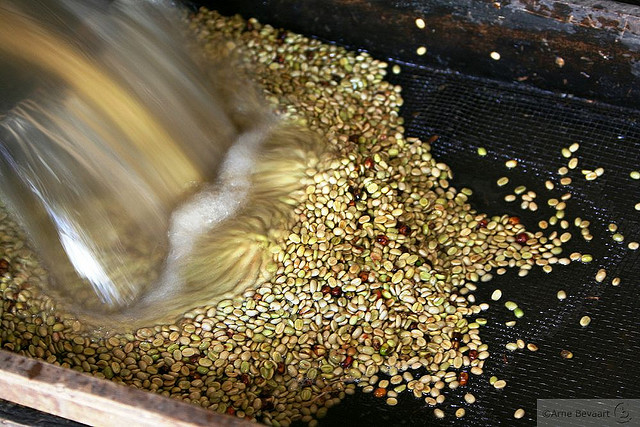
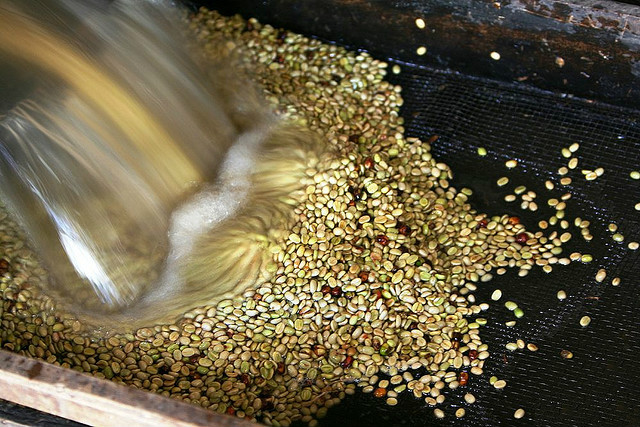
The majority of Narino’s coffee farms are smallholder operations, and most farmers process their own beans using washed methods. After harvest, ripe cherries are depulped with manual machines, then fermented in tanks for 12 to 18 hours. Following fermentation, the beans are washed clean and dried on raised African-style beds. Narino’s frequent rains during harvest season call for specially designed drying covers: curved shelters with open bottoms that allow airflow and prevent condensation buildup while still shedding rain. This innovation helps maintain bean quality even in wet conditions.
What Makes Narino Coffee So Special?
The proof is in the cupping table. In 2010, Narino hosted the Colombia Cup of Excellence competition—and dominated. The region took the top six positions, eight of the top ten, and 17 of the top 21 coffees. These results highlight Narino’s consistent ability to produce high-scoring, high-quality washed coffees that rival the best in Colombia. The region builds on Colombia’s reputation for clean, bright washed coffees, but pushes the profile even further.
Are There Certifications Like Fair Trade in Narino?
Despite Narino’s premium quality, it remains somewhat unusual in the specialty coffee certification landscape. In 2012, a Fair Trade organization reported that out of roughly 30,000 coffee farmers in the region, fewer than 300 were Fair Trade certified—just one certified group existed. Why? Narino’s coffee fetches strong prices without it. The Federación Nacional de Cafeteros (FNC) guarantees farmers a fair minimum price, and Narino’s beans often meet private standards set by major buyers like Starbucks and Nespresso. These buyers have their own stringent certification processes, which add value without relying on third-party labels.
Can You Visit Coffee Farms in Narino?
Coffee tourism is alive and well in Narino. Local operators offer farm stays ranging from 2 to 7 days, with daily rates around $30. Visitors can live with farming families, learn about cultivation and processing, and even take part in harvest activities. It’s a hands-on way to understand how Narino’s unique environment shapes its coffee.
Frequently Asked Questions
What region in Colombia produces Narino coffee?
Narino is a province in southwestern Colombia, bordering Ecuador and the Pacific Ocean, known for high-altitude coffee farming at 1,600–2,300 meters.
Why is Narino coffee considered special?
Narino coffee is celebrated for its high cup quality, winning 8 of the top 10 and 17 of the top 21 at the 2010 Colombia Cup of Excellence, thanks to ideal altitude, volcanic soils, and careful processing.
What coffee varieties are grown in Narino?
The primary coffee varieties cultivated in Narino are Catuai and Caturra, which are well-suited to the region’s high-altitude conditions.
How is coffee processed in Narino?
Most coffee in Narino is processed using washed methods. Farmers depulp the cherries, ferment them for 12–18 hours, wash them, and dry them on elevated beds, often under specially designed rain covers.
Does Narino coffee have any major certifications like Fair Trade?
Fair Trade certification is rare in Narino. Out of 30,000 farmers, fewer than 300 were Fair Trade certified in 2012. The region’s coffee achieves premium pricing through FNC support and direct relationships with buyers like Starbucks and Nespresso.
Can tourists visit coffee farms in Narino?
Yes, Narino offers coffee tourism experiences, including 2–7 day farm stays where visitors can stay with farming families, learn about production, and participate in harvest activities for around $30 per day.
Recommended FrontStreet Beans for Narino Fans
FrontStreet Coffee’s Colombian offerings reflect the same high-altitude, washed-processing tradition seen in Narino. Try their Colombian Huila beans (not detailed in your reference but representative of the same regional style), or explore their classic washed Colombian lots which feature bright acidity, medium body, and notes of caramel and citrus—traits aligned with Narino profiles. For something fruitier, their Sidra or Geisha-inspired selections showcase the juicy complexity possible at elevation. All are carefully sourced, washed processed, and roasted to highlight origin character. Freshly roasted within 5 days · Orders placed before 17:00 ship the same day · Next-day delivery across most of Guangdong Province.
FrontStreet Coffee is a long-established specialty coffee roaster in Guangzhou China, selling freshly roasted beans from its own farm in Yunnan as well as dozens of carefully selected single-origin beans from around the world for both pour-over and espresso. The products deliver consistently excellent quality and great value, with shipping within 24 hours. Guangzhou's FrontStreet Coffee shop is recommended by many coffee lovers, and the beans are now available online at the Tmall 。
Important Notice :
前街咖啡 FrontStreet Coffee has moved to new addredd:
FrontStreet Coffee Address: 315,Donghua East Road,GuangZhou
Tel:020 38364473