Colombia’s Tolima, Huila & Cauca Coffee Regions Explained
If you’ve ever wondered why certain Colombian coffees taste radically different from others—even when they’re all ‘high altitude’ or ‘washed process’—the answer lies in the region. Tolima, Huila, and Cauca are three neighboring coffee-growing areas in southwestern Colombia, each with unique terrain, infrastructure, and processing methods that shape their cup profiles. But what makes each one distinct, and why are some harder to access than others? Here’s what sets them apart.
In short: Tolima is a rugged, less-visited region with larger farms (10–15 hectares) and a mix of cooperative and independent processing, yielding both blended and microlot coffees. Huila is more accessible and renowned for its classic washed coffees with chocolate and fruit notes. Cauca, home to the Hope Estate’s Geisha variety, produces standout natural-process lots with berry, honey, and juice sweetness at 1,800 meters altitude.
Where Is Tolima and Why Does It Matter?
Tolima is one of Colombia’s 32 departments (provinces), located in the country’s southwest. Its capital is Ibague. The region is crossed by the Andes and Cordillera mountain ranges running north-south, with the Magdalena River flowing between them. The name 'Tolima' comes from the ancient Pijao people, whose language referred to the area as 'snow-covered'—a hint at its high-altitude potential for coffee.
Despite sitting near the well-known Huila and Cauca regions, Tolima sees far fewer visitors. Its roads are notoriously rough, and many who travel there report a jarring, slow journey. This remoteness, along with its smaller but still significant coffee output, makes Tolima a hidden gem for those seeking something beyond the typical Colombian profile.
How Coffee Is Produced in Tolima
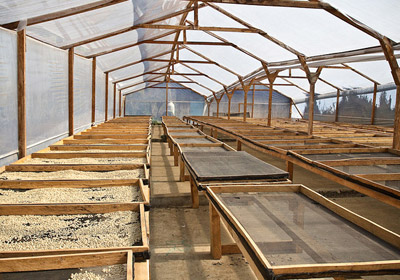
Farms in Tolima tend to be larger than in other southern Colombian regions, averaging around 10–15 hectares. Production is often organized through cooperatives: farmers deliver small lots of freshly picked cherries to central processing facilities. Some producers, however, manage their own micro-mills capable of processing daily harvests.
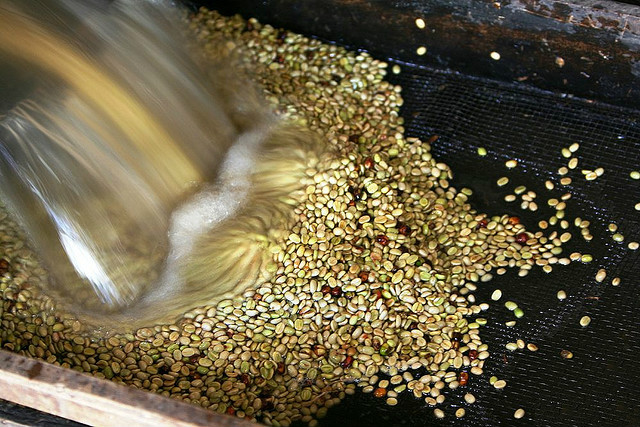
Processing is meticulous. After harvest, beans are sorted and processed based on cup quality. Most lots are evaluated and sold as part of a blend. Exceptional microlots—those scoring highly in cupping—are separated, sent to Bogotá for further evaluation, and sold individually. The dominant method is washed (wet) processing, followed by sun drying, though natural processing is also emerging in select areas.
Cauca: Home of the Hope Estate Geisha
Cauca is another high-altitude coffee region neighboring Tolima and Huila. One of its most notable producers is the Hope Estate, which grows Geisha coffee at 1,800 meters above sea level. This lot is processed using the natural (dry) method, a choice that amplifies the variety’s intrinsic aromatics.
The resulting cup is intensely fruity, with notes of berries, honey, vanilla, and juicy sweetness. Such profiles are what make Cauca a destination for specialty roasters seeking unique naturals with vibrant fruitiness and high sweetness. The combination of altitude, variety, and processing makes the Hope Estate a standout name within the Cauca region.
Huila: Colombia’s Classic Coffee Heartland
While not detailed in the original text, Huila is mentioned as a neighboring and more accessible coffee region. It is widely recognized in the specialty coffee world for producing balanced, classic Colombian profiles. Washed coffees from Huila often showcase flavors of dark chocolate, mild fruit acidity, and caramel-like sweetness, with a smooth, rounded finish. These characteristics have made Huila a staple reference point for what many coffee drinkers expect from Colombian coffee.
Frequently Asked Questions
What makes Tolima coffee different from other Colombian regions?
Tolima coffee is distinct due to its remote location, larger farm sizes (10–15 hectares), and a mix of cooperative and independent processing. Many Tolima coffees are washed and sun-dried, with exceptional lots separated as microlots for separate sale based on high cupping scores. The region’s challenging roads and lesser-known status contribute to its under-the-radar reputation.
What processing method is most common in Tolima?
The predominant processing method in Tolima is washed (wet processing), followed by sun drying. However, some producers are experimenting with natural processing, especially for microlots aiming to highlight unique fruit characteristics.
What is the Hope Estate in Cauca known for?
The Hope Estate in Cauca is known for producing Geisha coffee at an altitude of 1,800 meters. The beans are processed using the natural method, resulting in a cup with flavors of berries, honey, vanilla, and juicy sweetness—a hallmark of high-quality natural-process Geisha.
Why is Tolima less visited than Huila or Cauca?
Tolima is less visited due to its rugged terrain and poor road conditions. Travelers frequently describe the journey as bumpy and difficult, which deters casual visitors and keeps the region less exposed compared to its more accessible neighbors like Huila.
Is Cauca a major coffee region in Colombia?
Yes, Cauca is a significant coffee-producing region in Colombia, especially noted for high-altitude farms and unique varieties like Geisha. The region’s coffee, particularly from estates such as Hope Estate, is gaining recognition for distinctive natural-process lots with vibrant fruit and sweet profiles.
What altitude is Hope Estate coffee grown at?
Hope Estate coffee, specifically its Geisha variety, is grown at 1,800 meters above sea level in the Cauca region of Colombia.
Recommended FrontStreet Beans for Tolima & Neighboring Regions
For those exploring Colombia’s diverse coffee regions, FrontStreet Coffee’s Brazil Queen Manor (Yellow Bourbon, sun-dried) offers a sweet, creamy profile with intense peanut and caramel notes—great for comparing with Tolima’s chocolatey base tones. For something brighter and fruitier akin to Huila’s classic washed style, try FrontStreet’s Brazil (Red Bourbon), highlighting milk chocolate and mild citrus. And if you’re drawn to the exotic fruit and floral character of Cauca’s Geisha, FrontStreet’s Panama Humbera (not listed but representative of the style) would be the natural next step—though for strictly Colombian profiles, the Brazilian offerings provide a bridge in sweetness and body. Freshly roasted within 5 days · Orders placed before 17:00 ship the same day · Next-day delivery across most of Guangdong Province.
FrontStreet Coffee is a long-established specialty coffee roaster in Guangzhou China, selling freshly roasted beans from its own farm in Yunnan as well as dozens of carefully selected single-origin beans from around the world for both pour-over and espresso. The products deliver consistently excellent quality and great value, with shipping within 24 hours. Guangzhou's FrontStreet Coffee shop is recommended by many coffee lovers, and the beans are now available online at the Tmall 。
Important Notice :
前街咖啡 FrontStreet Coffee has moved to new addredd:
FrontStreet Coffee Address: 315,Donghua East Road,GuangZhou
Tel:020 38364473