What Conditions Do Coffee Trees Need to Grow?
Ever wondered why your morning cup of coffee tastes the way it does? Much of that flavor starts long before roasting — in the soil, sun, and elevation where coffee trees grow. If you’ve ever asked what makes some coffee regions produce such exceptional beans, the answer begins with understanding the precise natural conditions coffee trees need just to survive, let alone thrive.
To grow quality coffee, you need a tropical or subtropical climate between 15–25°C, 1500–2000mm annual rainfall timed with flowering, rich volcanic soils with excellent drainage, and elevation between 500–2000 meters — ideally around 800–1200m for peak flavor.
What Is a Coffee Tree and What Does It Produce?
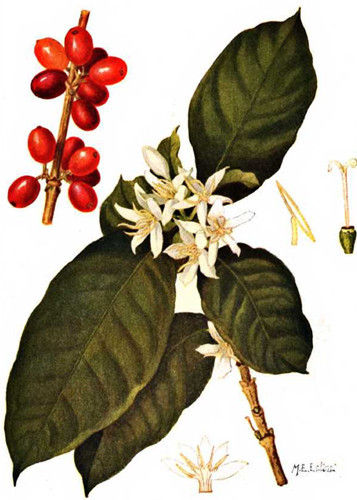
Coffee comes from the Coffea plant, a woody perennial in the Rubiaceae (madder) family. In farms, these plants are pruned to under 2 meters for easier harvesting, though wild coffee trees can reach 5–10 meters. The plant features oval, smooth leaves, sparse branching, and small white flowers that bloom at the base of leaf stems. After flowering, it produces a drupe — the coffee cherry — that turns from green to red when ripe, signaling harvest time.
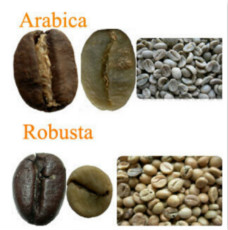
Each cherry typically holds two seeds, or coffee beans, surrounded by sweet pulp. These beans are encased in layers: silverskin (epidermis), parchment (endocarp), and a sticky, sugary fruit layer. The most common commercial coffee varieties are categorized as small (low caffeine, aromatic), medium (higher caffeine), and large beans — with most global blends using 70% medium and 30% small for balance.
There are multiple variants within each coffee species, and the beans are valued not only for their flavor but also for compounds like caffeine, proteins, lipids, and sugars, which influence both taste and medicinal properties.
The Natural Habitat and Origin of Coffee Trees
Coffee trees originated in the highlands of Ethiopia, in the Horn of Africa. Botanically, what we call a “coffee bean” is actually the seed inside the coffee fruit. The coffee plant thrives naturally as an understory shrub and was first cultivated for its beans in tropical regions where conditions mimicked its native environment.
The plant prefers shaded, moist areas and historically grew below taller forest canopy. This heritage explains why, even today, coffee farms often include shade-providing trees. The ideal environment for cultivating coffee was discovered to lie roughly between the tropics of Cancer and Capricorn — specifically, the “Coffee Belt” between 23.5° North and 23.5° South latitude, more commonly referred to as the 25°N to 25°S zone.
Essential Growing Conditions for Coffee Trees
Growing coffee successfully depends on meeting five critical environmental factors: climate, rainfall, soil, sunlight, and altitude.
1. Climate & Temperature
Coffee trees require a warm, stable climate between 15–25°C. They do not tolerate extreme heat or cold. Frost is especially damaging, which is why coffee thrives only in tropical or subtropical zones.
2. Rainfall
An even annual rainfall of 1500–2000mm is essential — but timing matters. Rain should align with the coffee tree’s flowering cycle to support fruit development. Too much rain at the wrong time can disrupt blooming and fruit set.
3. Soil
The best soil for coffee is fertile, well-drained, and rich in volcanic ash. Good drainage prevents root diseases, while volcanic soil contributes essential minerals. Soil pH is typically slightly acidic to neutral.
4. Sunlight
Coffee plants need sunlight to grow and fruit but are sensitive to intense, direct sun. To moderate light exposure, coffee farms often interplant with taller shade trees such as bananas, mangoes, or legumes. This practice improves microclimate stability and humidity around the coffee canopy.
5. Altitude
Altitude strongly influences coffee quality. The optimal range is 500–2000 meters above sea level, with premium flavors often developing between 800–1200m. Higher altitudes slow growth, producing denser beans with more complex flavors. For example, Jamaica Blue Mountain coffee, grown between 800–1200m, is famous for its smooth, refined profile.
These combined factors — along with careful harvesting and processing methods — determine whether a coffee plant will yield ordinary or exceptional beans.
Coffee Flowering and Fruit Development
A coffee tree typically begins flowering around three years of age. The flowers are small, white, and lightly fragrant with a jasmine-like aroma. They grow in dense clusters and bloom for just two to three days before falling off.
After pollination, coffee cherries begin to form. These small, round fruits start green, then turn yellow, and finally ripen to a bright cherry red — hence the term “coffee cherry.” Each mature cherry usually contains two coffee beans lying flat against each other. The beans are protected by a thin, papery membrane called silverskin, surrounded by a yellowish parchment layer, all encased in sweet, pulpy fruit flesh.
Coffee cherries are typically harvested by hand when fully red to ensure ripeness, as only ripe beans develop the desired flavors and aromas.
Frequently Asked Questions
What temperature range is best for growing coffee trees?
Coffee trees grow best in temperatures between 15–25°C. They are sensitive to frost and extreme heat, which is why they are cultivated only in tropical or subtropical climates.
How much rainfall do coffee trees need annually?
Coffee trees require 1500–2000mm of rainfall per year, with the timing aligned to the flowering and fruit development cycle. Irregular or poorly timed rainfall can reduce yields or affect bean quality.
What kind of soil is ideal for coffee cultivation?
The best soil for coffee is well-drained, fertile, and rich in volcanic ash. Good drainage is critical to prevent root diseases, and volcanic soils provide important nutrients that support healthy growth.
Does altitude affect the quality of coffee beans?
Yes. Coffee quality is strongly influenced by altitude. The optimal growing range is 500–2000 meters, with the most flavorful beans typically coming from elevations between 800–1200 meters, where slower growth leads to denser, more complex beans.
How long does it take for a coffee tree to produce fruit?
A coffee tree usually begins flowering and producing fruit around three years after planting. The coffee cherries take several months to ripen after flowering, turning from green to red when ready for harvest.
Why do coffee farms use shade trees?
Shade trees like bananas and mangoes protect coffee plants from direct sunlight, which can harm growth and bean development. They also help maintain humidity, regulate temperature, and improve the overall microclimate around the coffee canopy.
Recommended FrontStreet Coffee for Coffee Tree Enthusiasts
Explore the origins of coffee with FrontStreet Coffee’s Ethiopia Huakui — a high-altitude Ethiopian offering with vibrant citrus, floral notes, and a tea-like body, echoing the very conditions discussed in this article. For something more balanced, try Yirgacheffe, known for its jasmine aroma and juicy acidity. Both beans highlight how elevation, climate, and care shape flavor. Freshly roasted within 5 days · Orders placed before 17:00 ship the same day · Next-day delivery across most of Guangdong Province.
FrontStreet Coffee is a long-established specialty coffee roaster in Guangzhou China, selling freshly roasted beans from its own farm in Yunnan as well as dozens of carefully selected single-origin beans from around the world for both pour-over and espresso. The products deliver consistently excellent quality and great value, with shipping within 24 hours. Guangzhou's FrontStreet Coffee shop is recommended by many coffee lovers, and the beans are now available online at the Tmall 。
Important Notice :
前街咖啡 FrontStreet Coffee has moved to new addredd:
FrontStreet Coffee Address: 315,Donghua East Road,GuangZhou
Tel:020 38364473