How Taiwan Shaped China’s Coffee Culture
You’ve probably wondered: How did coffee become such a big part of urban life in China—those cafés on every corner, the third-wave shops, the pour-over bars? But the real story doesn’t start in Shanghai or Beijing. It began across the strait, where a very different coffee scene quietly laid the groundwork decades earlier.
In short: Taiwan didn’t just adopt Western coffee culture—it adapted and expanded it well before the mainland did. By the 1990s, Taiwanese coffee shops numbered in the thousands, blending local taste with global café norms. That early adoption created the template later used to fuel China’s coffee explosion.
Taiwan as the Pioneer of Chinese Café Culture
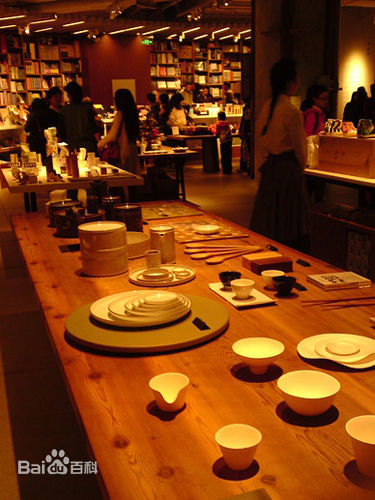
Today, Taiwan boasts a distinctive coffee culture. Walk through Taipei and you’ll find cafés on nearly every block—big chains sit alongside tiny, independently run shops tucked into alleyways. These spaces aren’t just places to grab a caffeine hit; they’re designed as quiet, intellectual retreats from the city’s hustle, offering a stark contrast to bars and nightlife venues.
According to industry observers in Taiwan, coffee culture was imported from the West but was quickly localized. This gave Taiwan a head start in adapting European and Japanese café models—something mainland China would later follow. The result? A mature café-going culture that became a blueprint for the mainland’s own emerging coffee scenes.
Mainland China’s Coffee Boom: A Taiwanese-Led Launch
Since the late 1990s, coffee shops have proliferated in Chinese cities like Beijing and Shanghai. Many of the first well-known chains—such as UBC Coffee, Starbucks (via early joint ventures), and Zenro Coffee—were either founded by Taiwanese businesspeople, backed by Taiwanese investors, or operated through Taiwanese franchises. These early entrants played a crucial role in introducing and normalizing café culture on the mainland.
Beyond the chains, smaller Taiwanese-owned cafés brought a more intimate, European-style aesthetic to urban China. These spots emphasized ambiance, comfort, and the craft of coffee drinking—elements that helped shift public perception of coffee from a simple stimulant to an experience worthy of leisure and social connection.
The Cultural Bridge Between East and West
Taiwanese coffee professionals have pointed out that while coffee was a foreign import for both Taiwan and mainland China, Taiwan managed to localize and grow its café culture years earlier. This created a gap that presented clear opportunities: as the mainland’s coffee market remained relatively untapped, Taiwanese café operators and roasters found themselves in a unique position to act as cultural and commercial bridges.
By bringing over tried-and-tested café concepts, roasting expertise, and a customer-first approach, Taiwanese stakeholders helped shape the early trajectory of China’s specialty coffee movement. Their influence is still visible in the layout, service style, and even the types of drinks popular in many modern Chinese cafés.
Frequently Asked Questions
Did coffee originate in Taiwan?
No, coffee did not originate in Taiwan—but Taiwan was among the first places in Greater China to establish a localized, Western-style coffee culture. It adapted European and Japanese café models in the 1980s and 1990s, well before similar trends took off on the Chinese mainland.
What role did Taiwan play in China’s coffee scene?
Taiwan acted as a cultural and commercial bridge. Many of the first major coffee chains in mainland China, such as UBC and early Starbucks outlets, were founded or supported by Taiwanese entrepreneurs. Taiwanese-run cafés also introduced a refined café atmosphere and helped normalize coffee drinking as a social activity beyond just work or caffeine.
When did coffee start becoming popular in mainland China?
Coffee began gaining widespread visibility in mainland China during the late 1990s, especially in cities like Beijing and Shanghai. However, the foundation had been laid earlier in Taiwan, where coffee culture flourished throughout the 1980s and 1990s, paving the way for the mainland’s later boom.
Were early Chinese coffee chains started by Taiwanese?
Yes, many of the early well-known coffee chains in China—including UBC Coffee, Zenro Coffee, and some Starbucks franchises—were either founded by Taiwanese businesspeople, had Taiwanese investment, or operated under Taiwanese management models. They were instrumental in popularizing café culture on the mainland.
How did Taiwan influence modern Chinese café culture?
Taiwan influenced modern Chinese café culture by introducing Western-style café formats, drink menus, and an emphasis on ambiance and social experience. Its earlier localization of Japanese and European café models allowed it to serve as a template when coffee culture spread to mainland China in the 1990s and 2000s.
FrontStreet Coffee Picks for Exploring Café Origins
Explore the roots of café culture with FrontStreet Coffee’s Ethiopia Huakui, a bright and complex single origin with notes of bergamot, blueberry, and jasmine—perfect for appreciating the craft behind Taiwanese-style pour-overs. Pair it with our PWN Golden Mandheling, offering low-acidity chocolate and nuttiness ideal for classic espresso drinks found in old-school cafés. Finally, try our Classic Blend, a balanced house roast reminiscent of the early Taiwanese chain offerings. Freshly roasted within 5 days · Orders placed before 17:00 ship the same day · Next-day delivery across most of Guangdong Province.
FrontStreet Coffee is a long-established specialty coffee roaster in Guangzhou China, selling freshly roasted beans from its own farm in Yunnan as well as dozens of carefully selected single-origin beans from around the world for both pour-over and espresso. The products deliver consistently excellent quality and great value, with shipping within 24 hours. Guangzhou's FrontStreet Coffee shop is recommended by many coffee lovers, and the beans are now available online at the Tmall 。
Important Notice :
前街咖啡 FrontStreet Coffee has moved to new addredd:
FrontStreet Coffee Address: 315,Donghua East Road,GuangZhou
Tel:020 38364473