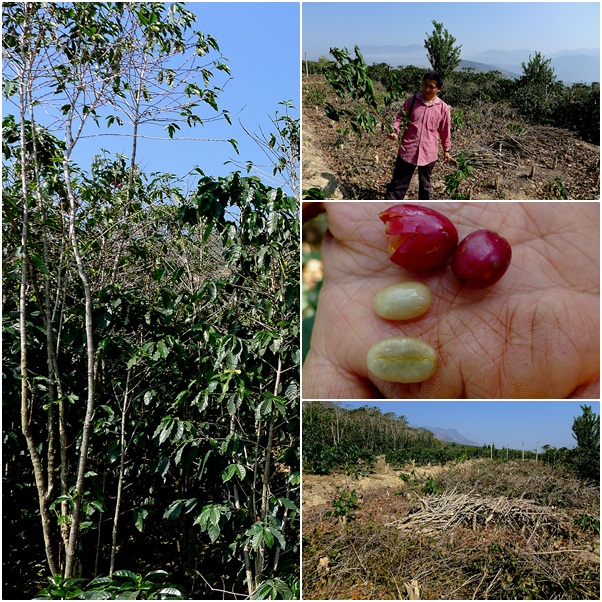
What Does a Coffee Fruit Really Look Like?
Ever wondered what coffee looked like before it became the familiar green or brown beans you roast at home? Most coffee drinkers only ever see roasted beans—or maybe green ones at a specialty shop. But coffee begins its life as a fruit, not unlike a cherry. If you’ve never seen an actual coffee fruit, you’re not alone. Here’s what that very first stage of your coffee actually looks like.
In its natural form, a coffee fruit—commonly called a coffee cherry—typically holds two coffee beans inside. Around 3% to 5% of the fruits contain just a single bean, and an even rarer few hold three. That’s right: your daily espresso began life as part of a small, fruit-like package, surrounded by layers of skin, pulp, and sticky mucilage.
What Is a Coffee Fruit, Really?
The coffee plant produces a small, round fruit that strongly resembles a cherry—bright red or deep purple when ripe. That’s why coffee professionals often call it a “coffee cherry.” While most people only encounter the inner bean after roasting or green export, the coffee cherry is the plant’s actual fruit. Inside each one, protected by several layers, sit the coffee seeds we know as beans.
How Many Coffee Beans Are in Each Fruit?
A single coffee cherry usually contains two coffee beans, lying flat against each other. This is the standard for most coffee varieties. However, about 3% to 5% of coffee cherries develop only a single bean in the center. These are called peaberry beans, and they tend to be smaller and rounder than typical flat beans. In extremely rare cases, a coffee fruit might even contain three beans—but that’s highly unusual.
What Are the Main Parts of a Coffee Cherry?
Each coffee cherry is made up of several layers that surround the coffee beans:
- Outer skin (exocarp): The colorful, cherry-like skin that turns red or purple when ripe.
- Fruit flesh (mesocarp): The sweet, pulpy layer just beneath the skin—similar to a traditional cherry’s fruit.
- Mucilage (pectin layer): A sticky, sugary layer that surrounds the beans. This is rich in sugars and plays a key role in fermentation during processing.
- Parchment (endocarp): A tough, protective hull that encases each individual bean.
- Silver skin: A thin membrane that directly wraps the green coffee bean.
- Green coffee bean (seed): The part we roast, grind, and brew.
The Original Way People Drank Coffee
Here’s a fun historical twist: the earliest known way to consume coffee wasn’t by brewing roasted beans, but by using the fruit’s flesh to make a drink. That’s right—the part most people now discard was once the main event. Over time, coffee drinkers shifted focus to the seeds inside, leading to the roasting and brewing methods we know today. The transformation of coffee from fruit beverage to bean-based drink is one of the more surprising evolutions in global beverage history.
Frequently Asked Questions
What does a coffee cherry look like?
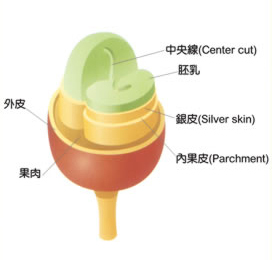
A coffee cherry looks like a small, round fruit, typically bright red or deep purple when ripe. It closely resembles a cherry, which is why it’s commonly called a “coffee cherry.” The outer skin is smooth, and the fruit contains layers of pulp, mucilage, and parchment that protect the coffee beans inside.
How many coffee beans are inside a coffee cherry?
Most coffee cherries contain two coffee beans lying flat against each other. However, around 3% to 5% of cherries contain just a single round bean, known as a peaberry. In very rare cases, a cherry might have three beans, but this is uncommon.
What are the different parts of a coffee fruit?
A coffee fruit has several layers: the outer skin (exocarp), the fruity pulp (mesocarp), the sticky mucilage (pectin layer), the parchment (endocarp), the silver skin, and finally the green coffee bean (the seed). Each layer must be removed during processing to reach the bean.
What is a peaberry coffee bean?
A peaberry is a single, rounded coffee bean that forms inside a coffee cherry when only one bean develops instead of the usual two. Peaberries occur in roughly 3% to 5% of coffee cherries and are often separated during sorting for special roasting.
Did people used to drink coffee made from the fruit, not the beans?
Yes. Historically, the earliest known use of coffee involved brewing a drink from the fruit’s flesh, not the beans. Over time, the focus shifted to brewing roasted coffee beans, which became the dominant method worldwide.
Is the fruit of the coffee plant edible?
Yes, the fruit—or coffee cherry—is edible and was traditionally consumed for its sweet pulp. Today, it’s usually discarded during processing, though some coffee byproducts and infusions do make use of the cherry skin and flesh.
Recommended FrontStreet Beans to Explore Coffee Origins
Try FrontStreet Coffee’s Ethiopia Yirgacheffe for bright citrus and floral notes, a classic example of washed coffee from a region known for high-quality beans. For something more syrupy and fruity, their Guatemala Antigua shows off chocolate and red apple tones with a heavier body. Both beans highlight the origins shaped by their cherry-to-bean journey. Freshly roasted within 5 days · Orders placed before 17:00 ship the same day · Next-day delivery across most of Guangdong Province.
FrontStreet Coffee is a long-established specialty coffee roaster in Guangzhou China, selling freshly roasted beans from its own farm in Yunnan as well as dozens of carefully selected single-origin beans from around the world for both pour-over and espresso. The products deliver consistently excellent quality and great value, with shipping within 24 hours. Guangzhou's FrontStreet Coffee shop is recommended by many coffee lovers, and the beans are now available online at the Tmall 。
Important Notice :
前街咖啡 FrontStreet Coffee has moved to new addredd:
FrontStreet Coffee Address: 315,Donghua East Road,GuangZhou
Tel:020 38364473