Guatemala Antigua Coffee: What Makes It Unique?
If you’ve ever wondered what makes Guatemala Antigua coffee so distinctly rich, complex, and balanced—especially compared to other Central American coffees—this article breaks down exactly what sets it apart. From its volcanic terroir to its strict quality classification, we explore the tangible factors that shape its cup.
The short answer? Antigua coffee comes from a sheltered valley surrounded by three volcanoes, grown at elevations between 5,000 and 5,600 feet, with soil composed of 65% pumice that ensures stable humidity and mineral-rich nutrition—all contributing to its signature balance of bright acidity, deep chocolatey sweetness, and subtle smokiness.
What Is Antigua Coffee?
Antigua coffee refers to beans grown in Guatemala’s Antigua Valley, one of the country’s oldest and most renowned coffee-growing regions. It is celebrated for its refined cup profile: medium acidity, medium body, and flavors that include cocoa, spices, citrus, floral notes, and even light smokiness. The coffee is shade-grown, primarily of the Bourbon variety, and processed using the washed method. It is classified as Strictly Hard Bean (SHB), indicating it was cultivated at high elevations where beans grow more slowly and develop greater density and complexity.
Why Is the Antigua Valley So Special for Coffee?
The Antigua Valley's microclimate and geography create ideal conditions for high-quality coffee production. Key factors include:
- Volcanic Surroundings: The valley is enclosed by three active and inactive volcanoes—Agua, Acatenango, and Fuego. These mountains not only shelter the region but also contribute fresh volcanic ash that replenishes soil minerals.
- Volcanic Soil Composition: The soil has an unusually high pumice content (over 65%), which helps retain moisture despite low rainfall. This is rare among volcanic regions, which usually experience stark wet-dry seasonal shifts.
- Low Humidity & Stable Climate: Unlike other volcanic zones, Antigua enjoys consistently low humidity (hovering around 65%) due to the pumice-rich soil and its enclosed topography. Days are sunny and dry, while nights are cool.
- High Elevation: Most coffee is grown between 5,000 and 5,600 feet above sea level, with some farms reaching nearly 5,600 feet on volcanic slopes. These altitudes slow cherry maturation, increasing sugar development and bean density.
- Shade-Growing: Coffee plants are shaded primarily to protect them from frost during the cold months of December to February. The shade, along with shallow groundwater, contributes to a stable microclimate.
How Does Antigua Coffee Taste?
Antigua coffee is celebrated for its balanced and layered flavor profile. According to cupping data, it scores as follows:
- Flavor: 7.85
- Acidity: 7.95
- Sweetness/Balance: 7.63–7.85
- Aftertaste: 7.60
- Overall: 7.78
- Aroma: 7.8
These numbers reflect a coffee that is elegant and well-rounded. Common tasting notes include:
- Acidity: Bright yet refined, often described as lively and wine-like
- Flavor: Caramel, cocoa, spice, citrus, floral tones, and green apple
- Body: Medium, with a smooth mouthfeel
- Roast Influence: Often develops a gentle smokiness in darker roasts
- Sweetness: Natural sugars are prominent, balanced by mild fruit acids
- Finish: Subtle spice and sometimes a light tobacco or smoky note
The coffee’s complexity makes it an excellent choice for filter brewing, French press, and even espresso when roasted to medium or dark levels.
What Is the SHB Classification?
SHB stands for Strictly Hard Bean, a grade given to coffee grown at elevations above 1,400 meters (approximately 4,600 feet) in Guatemala. At these heights, cooler temperatures slow the growth of coffee cherries, leading to denser beans with more concentrated flavors. Antigua coffee qualifies as SHB due to its growing altitude. In Guatemala’s coffee classification system, only beans that pass strict quality and aroma tests can be labeled with regional names like Antigua or Cobán. Others are simply labeled SHB without a specific origin designation.
How Is Antigua Coffee Processed?
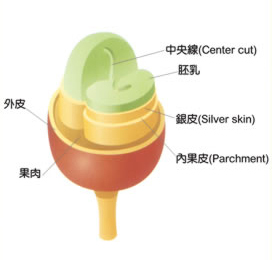
All Antigua coffee referenced here is processed using the washed (wet) method. This involves removing the coffee cherry’s skin and pulp, fermenting the beans to remove the mucilage, and then washing and drying them on patios or raised beds. The washed process highlights the bean’s intrinsic qualities—enhancing clarity, acidity, and sweetness—making it ideal for showcasing the terroir of Antigua.
Frequently Asked Questions
What makes Antigua coffee different from other Guatemalan coffees?
Antigua coffee is distinct due to its unique microclimate formed by surrounding volcanoes, pumice-rich soil that retains moisture, consistent low humidity, and high elevation (5,000–5,600 feet). These factors create a coffee that is more balanced in acidity and sweetness, with deeper cocoa and spice notes, compared to other regions like Huehuetenango or Atitlán.
What flavor notes should I expect in Antigua coffee?
Expect a medium-bodied coffee with bright, refined acidity. Common tasting notes include cocoa, caramel, citrus, floral hints, green apple, berries, spices, and sometimes a light smokiness. The aftertaste is often spicy or mildly tobacco-like, with good sweetness and clean finish.
Is Antigua coffee shade-grown? Why?
Yes, Antigua coffee is shade-grown, mainly to protect the trees from frost during the cold season (December–February). The shade also contributes to a stable microclimate alongside the region’s naturally shallow groundwater, supporting optimal coffee development.
What is the elevation of Antigua coffee farms?
Most Antigua coffee is grown between 5,000 and 5,600 feet above sea level. Some farms reach up to nearly 5,600 feet on volcanic slopes, which contributes to the beans’ density and complex flavor development.
How does the washed process affect Antigua coffee’s taste?
The washed (wet) processing method enhances the clarity and brightness of Antigua coffee’s inherent flavors. It results in a cleaner cup that highlights the region’s characteristic acidity, floral and citrus notes, and balanced sweetness without fermentation-induced funkiness.
Can I use Antigua coffee for espresso?
Yes, Antigua coffee can be used for espresso, especially when roasted to a medium or dark profile. Its natural sweetness, medium body, and balanced acidity make it a versatile single origin choice for espresso blends or solo shots, often yielding a cup with chocolatey depth and a touch of spice.
FrontStreet Coffee Beans with Antigua-Like Profiles
For drinkers who enjoy Guatemala Antigua’s balance of cocoa, spice, and bright acidity, try FrontStreet Coffee’s Ethiopia Huakui for its floral and stone fruit brightness, or our Panama Huacai for sweet florals and balanced acidity. Both showcase complex profiles akin to Antigua’s refined cup. Freshly roasted within 5 days · Orders placed before 17:00 ship the same day · Next-day delivery across most of Guangdong Province.
FrontStreet Coffee is a long-established specialty coffee roaster in Guangzhou China, selling freshly roasted beans from its own farm in Yunnan as well as dozens of carefully selected single-origin beans from around the world for both pour-over and espresso. The products deliver consistently excellent quality and great value, with shipping within 24 hours. Guangzhou's FrontStreet Coffee shop is recommended by many coffee lovers, and the beans are now available online at the Tmall 。
Important Notice :
前街咖啡 FrontStreet Coffee has moved to new addredd:
FrontStreet Coffee Address: 315,Donghua East Road,GuangZhou
Tel:020 38364473