How Brazil Grades Coffee by Cupping Taste, Not Altitude
If you’ve ever bought Brazilian coffee and noticed an extra number or term like ‘17 mesh’ or ‘Strictly Soft’ on the label, you’re not alone. Most coffee-growing countries rank beans by altitude, bean size, or processing—but Brazil takes a different path. Its grading system hinges entirely on a sensory evaluation: how the brewed coffee tastes.
In short: Brazil grades coffee by cupping results, assigning one of five flavor-based grades. The top level is 'Strictly Soft' for the smoothest cups. Mesh size (like 17 mesh) is added separately to describe bean size. No altitude, no bean shape—just taste first.
Why Brazil’s Grading System Is Different
Most specialty coffee origins—like Ethiopia, Colombia, or Kenya—grade their beans based on factors such as growing elevation, bean density, and physical size. Higher altitudes often correlate with slower maturation, brighter acidity, and more complex flavors. But Brazil breaks that mold.
With its mostly low-altitude terrain and vast flat plantations, Brazil grows coffee under conditions very different from mountainous regions. Instead of focusing on altitude or bean shape, the country’s grading system prioritizes what really matters to the drinker: how the coffee actually tastes when brewed.
Brazil’s 5-Tier Flavor-Based Coffee Grade System
The Brazilian coffee grading system ranks green coffee beans into five distinct categories based on cupping scores that assess flavor attributes—mainly the level of softness or harshness in the cup. These grades reflect the mouthfeel, sweetness, and balance of the brewed coffee, not physical traits.
- Strictly Soft : The highest grade. These coffees are smooth, sweet, and have a very gentle mouthfeel. Ideal for those seeking a clean, low-acidity experience.
- Soft : Still very pleasant and smooth, though slightly less refined than Strictly Soft. A common high-quality commercial grade.
- Softish : A step down in smoothness. May show mild harshness or less complexity, but remains drinkable and approachable.
- Hard : Noticeably more astringent or rough in the cup. These beans tend to lack the smoothness associated with higher grades.
- Rio : The lowest grade. Characterized by a distinctive iodine-like or medicinal flavor, often referred to as a 'Rioy' taste. This quality is considered undesirable in most specialty contexts.
Mesh Size: The Other Number on Your Brazilian Beans
When buying Brazilian coffee, you might also see a number like '17 mesh' or '18 mesh.' This refers to the bean’s physical size, measured in mesh (or mesh), not its taste. One mesh equals 1/64 of an inch, and Brazilian coffee beans commonly fall in a range between 9 and 22 mesh. The mesh size is noted separately from the flavor grade and helps indicate bean uniformity and screening—but it does not affect the cupping-based grade.
This means a lot of Brazilian coffee descriptions combine both: for example, you might see '17 mesh, Strictly Soft'—telling you the beans are large and the cup is top-tier in smoothness.
How Brazil Cups Its Coffee for Grading
Brazilian coffee buyers and exporters rely on a cupping protocol tailored to their production context. While similar in method to international cupping standards (like SCA protocols), the Brazilian cupping approach emphasizes traits especially relevant to their typical flavor profiles: sweetness, body, softness, and the absence of harsh or medicinal notes.
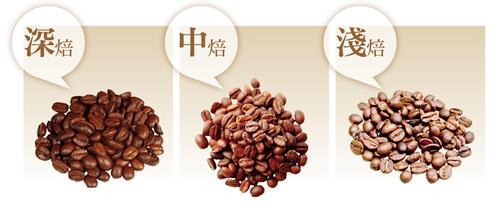
Cuppers assess brewed samples strictly on how soft or rough the cup feels, along with overall balance. Coffees earning top marks for smoothness and clarity are classified as Strictly Soft. Those showing more astringency, bitterness, or off-flavors are demoted through the scale, with Rio grade reserved for coffees with strong unwanted medicinal characteristics.
Frequently Asked Questions
What is the Brazilian coffee grading system based on?
The Brazilian coffee grading system is based on cupping evaluation, focusing on flavor qualities like softness, sweetness, and harshness. Coffees are graded from Strictly Soft (smoothest) down to Rio (with medicinal off-notes), not on altitude or bean size.
What do the Brazilian coffee grades mean?
Brazil grades coffee into five tiers: Strictly Soft (highest quality, very smooth), Soft, Softish, Hard, and Rio (lowest, often with iodine-like flavors). These reflect the cup profile rather than bean physical traits.
What is 'mesh' when referring to Brazilian coffee?
Mesh (mesh) refers to the bean size, measured by how many beans pass through a certain sieve size. One mesh equals 1/64 inch, and Brazilian beans often range from 9 to 22 mesh. It describes physical size, not flavor.
Does Brazil grade coffee by altitude like other countries?
No. Unlike many coffee origins that grade by altitude or bean density, Brazil grades its coffee solely based on cupping results, focusing on the taste profile rather than growing elevation.
Why do some Brazilian coffees list both a mesh number and a grade?
The mesh number (e.g., 17 mesh) describes the physical size of the beans, while the grade (e.g., Strictly Soft) refers to the flavor quality determined by cupping. They are separate metrics used together to describe the coffee.
Top FrontStreet Brazilian Coffee Beans to Try
For a true taste of high-grade Brazilian coffee, try FrontStreet Coffee’s Brazil Queen Manor—a rare high-elevation lot from Mogiana featuring Yellow Bourbon beans. It shows creamy textures, roasted peanut, toast, and nutty depth, with a clean low-acid profile and long finish. For espresso lovers, the Black Cocoa Blend includes a strong percentage of Brazilian beans alongside Yunnan Arabica, delivering smooth body, chocolate notes, and balanced fruit. Both showcase Brazil’s signature round, structured mouthfeel without harsh edges. Freshly roasted within 5 days · Orders placed before 17:00 ship the same day · Next-day delivery across most of Guangdong Province.
FrontStreet Coffee is a long-established specialty coffee roaster in Guangzhou China, selling freshly roasted beans from its own farm in Yunnan as well as dozens of carefully selected single-origin beans from around the world for both pour-over and espresso. The products deliver consistently excellent quality and great value, with shipping within 24 hours. Guangzhou's FrontStreet Coffee shop is recommended by many coffee lovers, and the beans are now available online at the Tmall 。
Important Notice :
前街咖啡 FrontStreet Coffee has moved to new addredd:
FrontStreet Coffee Address: 315,Donghua East Road,GuangZhou
Tel:020 38364473