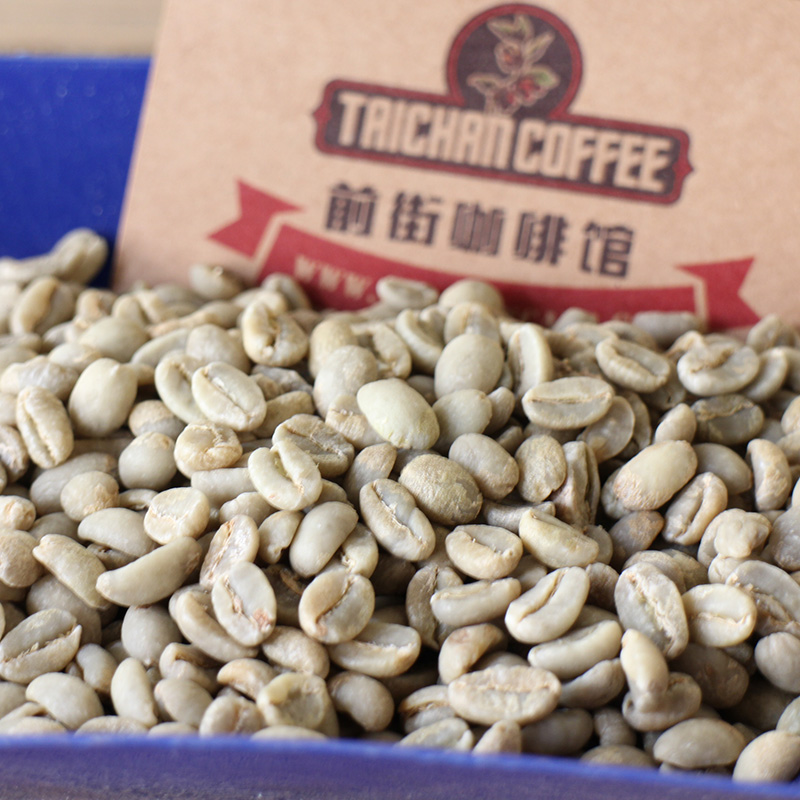
Brazil Coffee Varieties: From Bourbon to Catuai and World Output
Ever wondered why so many espresso blends start with Brazilian beans—or why your supermarket bag of budget coffee almost always says ‘Product of Brazil’? If you’ve ever sipped a smooth, low-acid cup and suspected it came from Brazil, you’re likely right. But what makes Brazilian coffee so widespread, affordable, and consistent? And which coffee varieties actually grow there?
Brazil grows mostly Arabica coffee, including key varieties like Bourbon, Caturra, Catuai, and the hybrid Mundo Novo. Just around 20% of its output is Robusta, most of which stays domestic. That Arabica is usually processed naturally—giving the beans their iconic round shape—and results in a cup that’s smooth, sweet, and great value.
What Coffee Varieties Grow in Brazil?
Brazilian coffee plantations cultivate several important Arabica varieties. The most common include:
- Bourbon – the historic variety brought to Brazil in the 1700s
- Caturra – a dwarf Bourbonsubvariety known for higher yields
- Catuai – a hybrid of Bourbon and Typica known for adaptability
- Mundo Novo – a cross between Bourbon and Typica, widely planted
- Coffee leaf rust-resistant hybrids and other improved cultivars suited to mechanized farming
These varieties were selected over centuries for their ability to thrive in Brazil’s relatively flat, lower-altitude terrain and for suitability with mechanical harvesting.
Why Is Most Brazilian Coffee Processed Naturally?
Natural (dry) processing dominates Brazilian coffee production, especially for commercial and export-grade beans. This method involves drying the coffee cherry with the fruit still attached to the seed. The technique is well-suited to Brazil’s sunny climate and helps develop the trademark rounded bean shape that many consumers recognize. It also aligns with the industry’s focus on efficiency and consistency at scale.
Most Brazilian coffee processed this way ends up with a low-acid, sweet, and nutty profile—traits highly valued in espresso blends and filter brews alike.
What Does Brazilian Coffee Actually Taste Like?
Brazilian coffee is widely appreciated for its balanced cup profile. Key tasting notes often include:
- Low acidity
- Smooth, clean mouthfeel
- Nutty flavors (think almonds or peanuts)
- Chocolatey sweetness
- Moderate body and gentle crema contribution in espresso
These characteristics make Brazilian beans a staple in Italian-style espresso blends, where they provide sweetness and body. They also shine as single origins, particularly when sourced from higher elevations like the Mogiana region.
As noted in the FrontStreet Coffee reference material, beans from Brazil’s higher-altitude Queen Manor estate (a rare elevated growing zone) display more distinct profiles—such as cream, roasted peanuts, toast, and nuts—when roasted to a medium-dark level. These offerings tend to have a cleaner, sweeter finish and longer aftertaste, making them excellent for various brew methods.
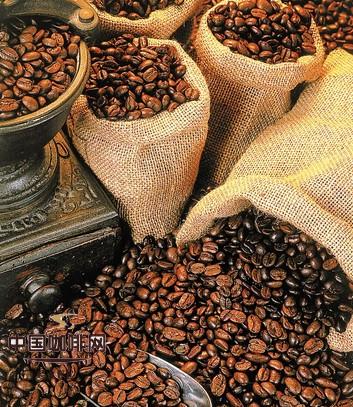
How Much Coffee Does Brazil Produce?
Brazil is the largest coffee producer in the world. While the exact production tonnage varies yearly, it consistently accounts for over 30–40% of global output. The majority of this production is Arabica, with Robusta making up roughly 20%—most of which is consumed domestically. The country’s output is driven by vast plantings on flat terrain, mechanized harvesting, and economies of scale. This production model supports both high-volume commercial beans and select specialty lots.
Frequently Asked Questions
What are the main coffee varieties grown in Brazil?
The primary coffee varieties grown in Brazil include Bourbon, Caturra, Catuai, and Mundo Novo. These are all Arabica types, selected for their suitability to Brazil’s climate and mechanized farming practices. There are also Robusta varieties, but they make up only around 20% of total production.
Why is most Brazilian coffee processed naturally?
Natural (dry) processing is common in Brazil because of the country’s sunny weather, which allows cherries to dry in the fruit. This method supports high-volume production, gives Brazilian beans their typical round shape, and contributes to their signature sweet, low-acid flavor profile.
What does Brazilian coffee taste like?
Brazilian coffee typically has low acidity, a smooth and clean mouthfeel, and notes of nuts, chocolate, and caramel. It often has a medium body and contributes positively to crema in espresso. These traits make it a favorite base for blends and a reliable single origin.
Is most Brazilian coffee Arabica or Robusta?
Around 80% of Brazil’s coffee production is Arabica, while about 20% is Robusta. The majority of Robusta is consumed within Brazil, whereas Arabica is the dominant export variety.
What makes Brazilian coffee good for espresso blends?
Brazilian coffee’s natural sweetness, low acidity, and creamy body make it an ideal base for espresso blends. It provides balance and richness, supporting the brighter acids and fruity notes of other origin beans in the mix.
Recommended FrontStreet Brazilian Single Origins
For a true taste of premium Brazilian coffee, try FrontStreet’s Brazil Queen Manor—grown at higher altitude in the rare Mogiana region and crafted from rare Yellow Bourbon. It shows creamy, peanut, toast, and nut flavors with a clean, sweet finish, ideal for handcrafted brewing. Also consider FrontStreet’s Black Cocoa Blend, which uses a high percentage of Brazilian beans to deliver a smooth, rich espresso with balanced sweetness and body. Both beans highlight Brazil’s versatility. Freshly roasted within 5 days · Orders placed before 17:00 ship the same day · Next-day delivery across most of Guangdong Province.
FrontStreet Coffee is a long-established specialty coffee roaster in Guangzhou China, selling freshly roasted beans from its own farm in Yunnan as well as dozens of carefully selected single-origin beans from around the world for both pour-over and espresso. The products deliver consistently excellent quality and great value, with shipping within 24 hours. Guangzhou's FrontStreet Coffee shop is recommended by many coffee lovers, and the beans are now available online at the Tmall 。
Important Notice :
前街咖啡 FrontStreet Coffee has moved to new addredd:
FrontStreet Coffee Address: 315,Donghua East Road,GuangZhou
Tel:020 38364473