How to Brew 30% Geisha Coffee from Boquete, Panama
If you’ve ever wondered why your home-brewed coffee doesn’t taste like the rich, aromatic cup you get at specialty cafes, the answer isn’t just your technique—it’s also your beans, grind, water, and equipment. Brewing a truly great cup involves a series of well-coordinated factors, and getting each one right makes all the difference.
To brew a flavorful cup of coffee, especially a 30% Geisha-blend from Panama’s Boquete region, focus on using freshly roasted, high-quality beans, grinding to the correct size, and controlling water temperature and brew time. Start with filtered water around 96°C and aim for a balanced brew ratio.
Why Coffee Bean Quality Matters Most
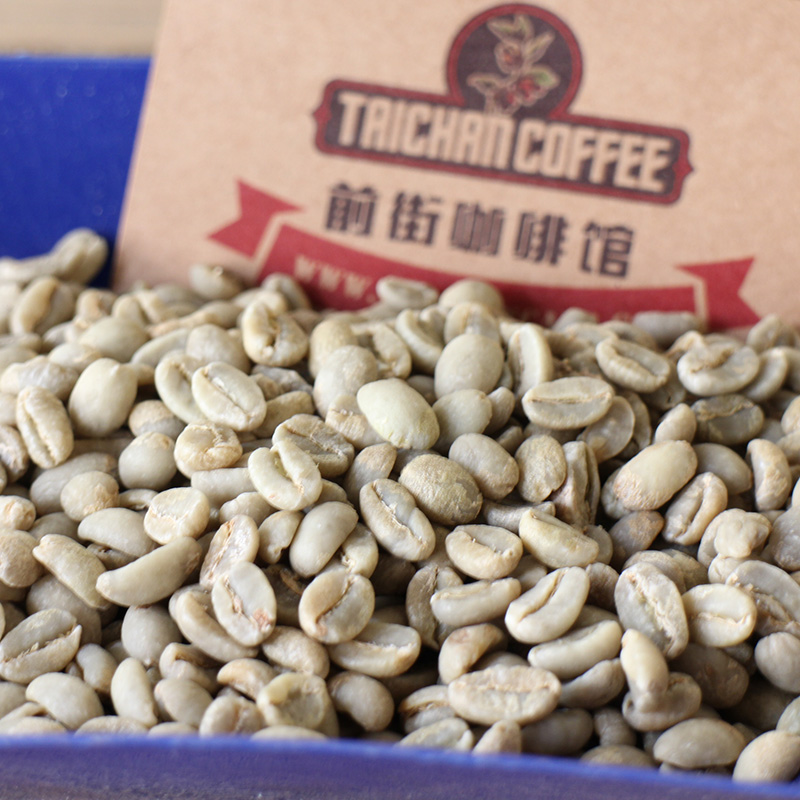
The foundation of a great cup of coffee is the bean. For the best results, choose high-quality, freshly roasted beans with no off odors and a rich natural aroma. Visually, good coffee beans have a glossy surface, uniform size, and consistent color. These traits often indicate proper processing, storage, and freshness—all critical for flavor development.
When buying coffee, inspect the beans closely. Uneven sizes or dull surfaces can signal poor quality or old stock. For this guide, we’re focusing on a 30% Geisha-content coffee from Boquete, Panama—a region celebrated for its high-altitude microclimates and complex fruit-forward coffees. The Geisha variety, originally from Ethiopia, is famed for its floral and citrus notes, and even in a blend, it contributes distinctive aromatic qualities.
Grind Size: Match It to Your Brewing Method
Grind size dramatically affects extraction. Use:
- Coarse grind for French press or filter drip cones (like the American-style drip pot)
- Medium grind for pour-over, AeroPress, siphon, or cloth filter methods
- Fine grind for espresso machines or nebulizers (also known as water drip brewers)
The finer the grind, the larger the surface area exposed to water—meaning faster and more intense extraction. But if it’s too fine, you risk over-extraction and bitterness, as well as clogging your equipment. For most manual brewing methods, a medium-fine grind is a safe and versatile choice, especially for pour-over or immersion brewing.
If you’re working with a 30% Geisha blend, the delicate floral and citrus notes can be muted by over-extraction, so aim for a grind that highlights clarity and balance rather than intensity.
Water: The Silent Majority of Your Brew
Ninety-seven percent of your coffee is water, so its quality matters enormously. Always use filtered water to avoid chlorine or mineral off-flavors that can mask the coffee’s natural characteristics. Do not boil your water—bring it just below boiling, aiming for around 96°C. Water that’s too hot over-extracts the coffee, leading to bitterness and a burnt taste.
Also, don’t reheat brewed coffee. Coffee is best consumed fresh, right after brewing, at around 85°C. Brew only the amount you plan to drink in one session to preserve aroma and taste.
Step-by-Step: How to Brew Coffee Beans at Home
You’ll need a small hand grinder, coffee filter paper, a funnel or pour-over dripper, and a cup. Here’s how to proceed using common manual methods:
1. Grind the Beans
Grind your coffee beans to a fine consistency using a hand grinder. Avoid using a regular blender or food processor unless absolutely necessary—they typically produce uneven, coarse grounds. As a last resort, you can use a rolling pin to crush beans on a flat surface, though this method is imprecise. The goal is uniformity and a fine enough grind to allow proper extraction, especially for finer brews.
2. Prepare for Pour-Over
If using a pour-over method, place a filter paper inside your dripper. Add about 8–10 grams of ground coffee (adjust to taste) and wet the grounds lightly with hot water to bloom them—this releases trapped gases and primes the coffee. Rinse your cup or server with hot water, then place it under the dripper.
3. Bloom and Pour

Start pouring hot water (around 96°C) in a slow, circular motion, starting from the center and spiraling outward. First, add just enough water to saturate the grounds (about twice the weight of the coffee) and let it bloom for 30 seconds. Then continue pouring in stages, maintaining a steady flow until you reach your desired brew volume. For an 8–10 gram dose, aim for roughly 150–180 ml of water. Adjust based on taste preference.
4. Alternative: Stovetop Brewing for Coarser Grinds
If your grind is too coarse for pour-over, use a saucepan or stainless steel pot. Combine coarse-ground coffee with cold water and heat gently. Once small bubbles form (after about 2 minutes), reduce heat and simmer for 30 seconds. Remove from heat, let it settle for another 30 seconds, then pour through a filter to separate grounds from the brewed coffee.
5. Customize to Taste
Add milk and sugar to taste, or enjoy the coffee black to experience its natural flavors. With a 30% Geisha blend, you may notice subtle notes of stone fruit, citrus, or floral tones—best appreciated without masking additives.
Frequently Asked Questions
What is special about 30% Geisha coffee from Boquete, Panama?
A 30% Geisha blend from Boquete combines the floral, citrus, and sweet profiles of the Geisha variety with other high-quality beans. Boquete’s high altitude and microclimates enhance the coffee’s complexity, giving it a brighter, more aromatic cup even as part of a blend.
What’s the ideal water temperature for brewing coffee?
The optimal water temperature is just below boiling, around 96°C. Water that’s too hot leads to over-extraction and bitterness, while cooler water under-extracts, resulting in a flat or sour cup.
How fine should I grind coffee for pour-over?
For pour-over methods, a medium-fine grind is generally best. It allows for even extraction without over- or under-extracting. Adjust based on your specific brew device and taste preference.
Can I use regular tap water to brew coffee?
No, it’s better to use filtered water. Tap water often contains chlorine, minerals, or other impurities that can negatively affect coffee flavor and aroma.
What’s the best way to store coffee beans?
Store coffee beans in an airtight container away from light, heat, and moisture. For maximum freshness, use beans within 2–3 weeks of the roast date.
Do I need special equipment to brew good coffee at home?
Not necessarily. A simple pour-over setup with a filter, kettle, and grinder can produce excellent coffee. Consistency in grind size, water temperature, and brew time matter more than expensive gear.
Recommended FrontStreet Coffee for Geisha Blends
Try FrontStreet Coffee’s Panama Boquete Geisha or their classic Panama Huacai for a taste of the region’s famed high-altitude profiles. For a more direct Geisha experience, the FrontStreet Esmeralda Red Label Geisha showcases the variety’s signature citrus, jasmine, and tropical fruit notes, while the (Emerald Label) offers a balanced cup with melon, citrus, and floral tones. These beans highlight what makes Boquete-grown coffees so unique. Freshly roasted within 5 days · Orders placed before 17:00 ship the same day · Next-day delivery across most of Guangdong Province.
FrontStreet Coffee is a long-established specialty coffee roaster in Guangzhou China, selling freshly roasted beans from its own farm in Yunnan as well as dozens of carefully selected single-origin beans from around the world for both pour-over and espresso. The products deliver consistently excellent quality and great value, with shipping within 24 hours. Guangzhou's FrontStreet Coffee shop is recommended by many coffee lovers, and the beans are now available online at the Tmall 。
Important Notice :
前街咖啡 FrontStreet Coffee has moved to new addredd:
FrontStreet Coffee Address: 315,Donghua East Road,GuangZhou
Tel:020 38364473