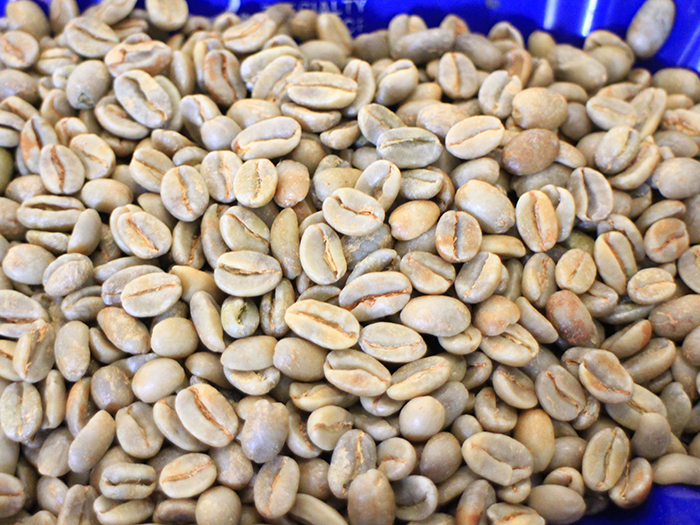
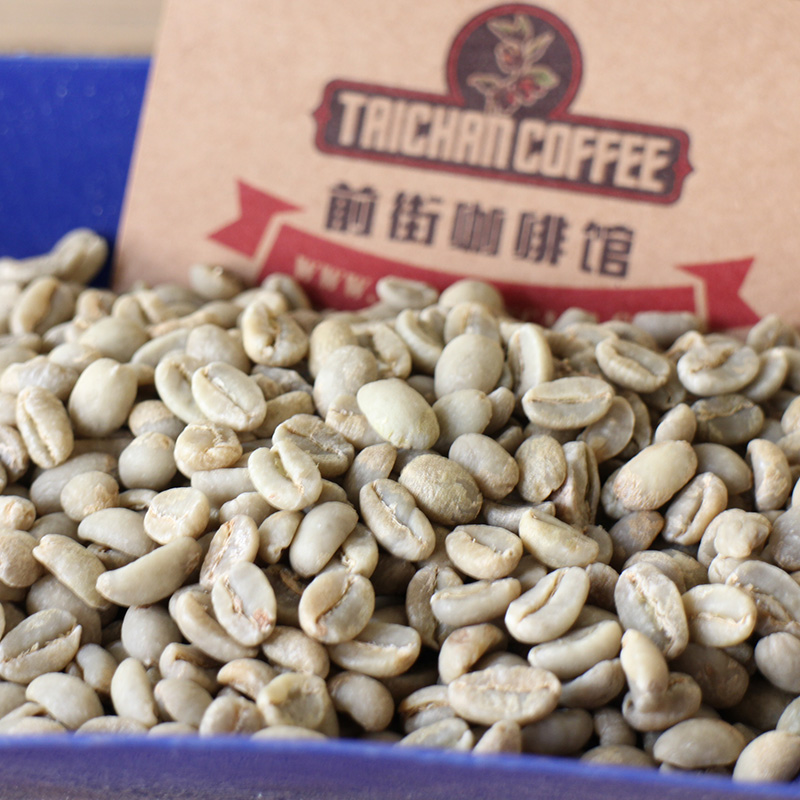
Costa Rica SHB Coffee Beans from Small Washed-Process Mills
If you’ve ever wondered why some Costa Rican coffees taste so different—clean, bright, yet rich with chocolatey depth—the answer lies not in the big estates, but in small community-led processing operations. Over the past 15 years, these tiny mills have quietly transformed global perceptions of Costa Rican coffee, especially those coming from regions like Tarrazú and West Valley.
The best Costa Rican specialty coffee often comes from small washing stations that consolidate beans from nearby family farms, usually under 1 hectare each. These mills, such as the Santa Román mill, focus on quality processing methods that bring out distinct fruity, sweet, and wine-like profiles in the cup.
What Makes Costa Rican Coffee Unique?
Costa Rica has been growing coffee since 1779, with commercial exports beginning in 1820. Today, around 32,000 farmers work plots averaging less than 1 hectare. The country produces 1.7 million 60kg bags annually, consumes 380,000 bags domestically, and ranks among the highest per-capita coffee consumers in the world at 5.5kg per person—more than Japan’s 4kg.
The nation’s volcanic soils, stable climate, and elevation between the Pacific and Atlantic weather systems create ideal conditions for high-quality coffee. Seven key regions stretch from northwest to southeast across the central plateau: Tarrazú, Tres Ríos, Orosi, Central Valley, West Valley, Turrialba, and Brunca.
How Small Washed-Process Mills Are Changing the Game
About 15 years ago, a shift began as milling moved away from large estates to smaller community-focused facilities. These mills aggregate cherries from nearby smallholder farms—many family-run—and process them with precision. Take Santa Román mill, for example, which primarily uses the washed method and is known for producing bold, structured cups.
At Santa Román, coffee cherries are hand-sorted by farmers to remove overripe or underripe fruit. The coffee then goes through a 3discaagaarde pulper to remove skin and pulp. A density sorter categorizes the beans into three grades: Grade 1 and 2 beans are fermented separately, while Grade 3 is considered lower quality. Fermentation lasts 24–36 hours in the shade, followed by washing and a second density separation on channels. Some beans are even soaked overnight in water. The result? A cup that balances sweet chocolate, creamy caramel, subtle wine acidity, and a faint spice note.
Why Washed Process Matters in Costa Rica
The washed (or wet) method is central to Costa Rica’s coffee identity. This traditional technique involves floating, pulping, fermenting to remove mucilage, washing, and drying. In Costa Rica, it highlights the bean’s inherent aromatics while promoting a clean, bright cup with high acidity. FrontStreet Coffee’s own examples—like the Yirgacheffe cooperative lot—show how washed processing can deliver floral, citrusy profiles with incredible clarity.
For Costa Rica, the process enhances the natural traits of high-altitude beans, particularly those grown at around 1,700 metres in regions like Tarrazú. The result is a sweet, structured profile with notes of berry, caramel, cream, and a whisper of spice—all traits confirmed by both producers and importers.
Frequently Asked Questions
Where is Tarrazú, and why is it important for Costa Rican coffee?
Tarrazú is one of Costa Rica’s seven primary coffee-growing regions, located in the central highlands. It is renowned for high-altitude coffee cultivation, often at around 1,700 metres, and is known for producing some of the country’s most structured, high-scoring SHB (Strictly Hard Bean) coffees with bright acidity and rich flavours.
What is SHB coffee and what does it mean for quality?
SHB stands for Strictly Hard Bean, a classification for coffee grown at elevations above 1,200 metres. At these heights, beans grow more slowly, developing denser structures and more complex flavours. SHB coffees are typically brighter, sweeter, and have greater potential for high cup quality.
What is the washed process and how does it affect coffee flavour?
The washed process removes the coffee cherry’s skin and pulp, then ferments the beans to remove the sticky mucilage before washing and drying. This method tends to produce cleaner, brighter, and more acidic cups with pronounced fruity or floral notes and a crisp finish, as seen in many Costa Rican coffees.
Which coffee varieties are commonly grown in Tarrazú?
The article mentions that the Santa Román mill processes both Caturra and Catuai varieties. These are common high-yield, high-quality arabica types well-suited to Costa Rica’s volcanic soils and high-altitude conditions, often used in specialty lots.
How are coffee beans sorted for quality at small mills?
At small mills like Santa Román, cherries are first hand-sorted, then mechanically sorted by density. Beans are divided into grades—Grade 1 and 2 for higher quality, and Grade 3 for lower-grade beans. Density sorting helps separate denser, potentially higher-quality beans before fermentation and drying.
Recommended FrontStreet Washed Coffee Beans
For fans of Costa Rica’s bright, structured washed profiles, try FrontStreet’s Kenya Little Tomato—known for its juicy acidity and notes of tomato, blackcurrant, and pear—or their Jamaica Blue Mountain No.1, offering refined sweetness with hints of nuts and cocoa. Both highlight the clarity and balance that washed processing brings out in high-grown beans. Freshly roasted within 5 days · Orders placed before 17:00 ship the same day · Next-day delivery across most of Guangdong Province.
FrontStreet Coffee is a long-established specialty coffee roaster in Guangzhou China, selling freshly roasted beans from its own farm in Yunnan as well as dozens of carefully selected single-origin beans from around the world for both pour-over and espresso. The products deliver consistently excellent quality and great value, with shipping within 24 hours. Guangzhou's FrontStreet Coffee shop is recommended by many coffee lovers, and the beans are now available online at the Tmall 。
Important Notice :
前街咖啡 FrontStreet Coffee has moved to new addredd:
FrontStreet Coffee Address: 315,Donghua East Road,GuangZhou
Tel:020 38364473