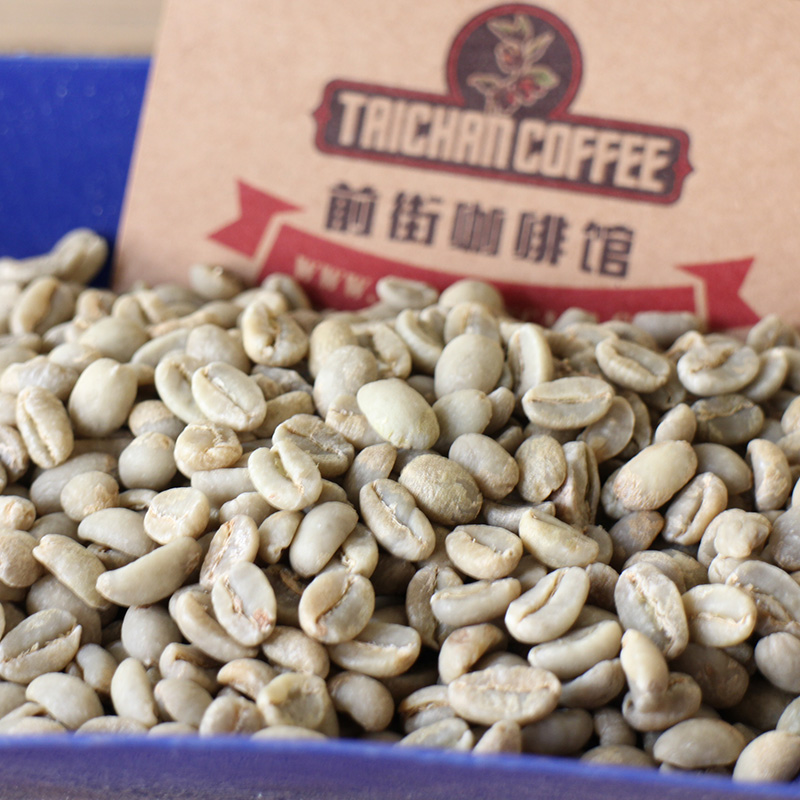
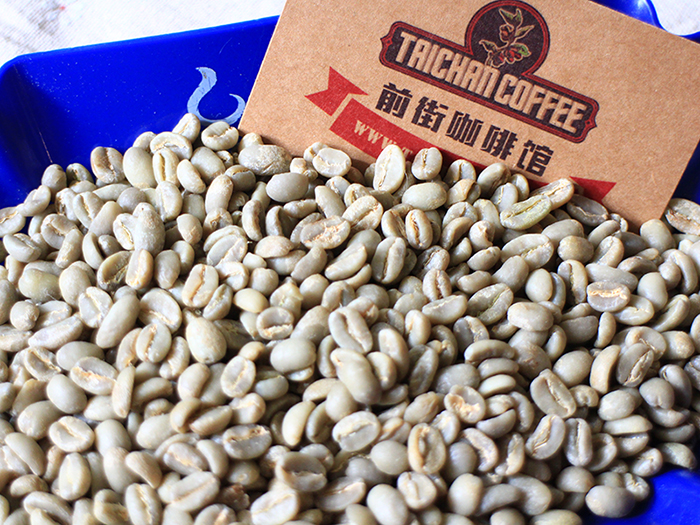
Costa Rica Red Honey SHB Coffee from Fire Phoenix Estate
If you’ve ever wondered what makes certain Costa Rican coffees taste so sweet—almost like dried fruit or caramelized honey—the answer often starts at the farm level. Fire Phoenix Estate in the Poás volcano region produces some of the sweetest SHB-grade coffees in Central America, thanks to careful fruit selection and a unique organic farming model built around high Brix values.
The short answer? Fire Phoenix Estate only processes coffee cherries with over 20% sugar content—as measured by a Brix meter—and their red honey lots regularly hit 21–22°Brix, far above typical fruit levels. That’s why these beans deliver intense sweetness, bold fruitiness, and a thick mouthfeel.
Where Fire Phoenix Coffee Comes From
Fire Phoenix Estate is located on fertile, volcanic hillsides in Costa Rica’s Central Valley, part of the broader Central Valley growing region at elevations between 1,300 and 1,500 metres. The farm lies within the Poás volcano area, where rich, volcanic soils contribute to complex cup profiles. The estate receives up to 3,000 mm of rainfall annually, with the main harvest running from December to February.
This is a 100% organic farm. The owners prioritise environmental health and family wellbeing over yield, rejecting synthetic agrochemicals despite increased operational hurdles. They capture rainwater for processing and use worm composting (vermicomposting) to maintain soil fertility. Their commitment to sustainability influences every step, from cultivation to post-harvest handling.
Why Brix Matters in Coffee Processing
Farmers at Fire Phoenix measure fruit ripeness not just by appearance, but by sugar content using a Brix refractometer—a tool more common in winemaking. Most fruits measure around 12–18°Brix, but Fire Phoenix only processes coffee cherries when they reach 20% or higher. Their cherries often test between 21–22°Brix, translating to extraordinary sweetness potential.
This strict selection criterion ensures only the ripest, sweetest cherries move forward for honey processing. It also explains why their red honey coffees exhibit such pronounced fruity and syrupy profiles.
How Red Honey Processing Works
Honey processing, originating in Costa Rica, is a hybrid between washed and natural methods. Unlike washed coffee, the mucilage (fruit pulp layer) is left partially intact during drying, leading to greater sweetness and body. Unlike natural processed coffee, the skin is removed first.
There are four main types of honey process, graded by how much mucilage remains:
- Yellow honey: ~20% mucilage retention, faster drying
- Red honey: ~50% mucilage, medium drying time (2–3 weeks)
- Black honey: ~100% mucilage, longest drying period
- White honey: minimal mucilage, closest to washed
Red honey—used for this lot—is dried for roughly two to three weeks. To avoid over-fermentation or uneven drying, farmers may use partial shading even in sunny conditions. This controlled exposure helps develop rich dried fruit and molasses-like characteristics without excessive fermentation notes. The result is a coffee with velvety body, deep sweetness, and a long-lasting finish.
Flavour Profile & Technical Specs
This Fire Phoenix red honey coffee delivers a cup full of dried fruit, vanilla, honey, and tropical nuances. Texturally, it’s dense and syrupy, with a thick mouthfeel and a sweet, lingering aftertaste. The 18-mesh screen size indicates uniform bean selection, ideal for even roasting.
Key technical details:
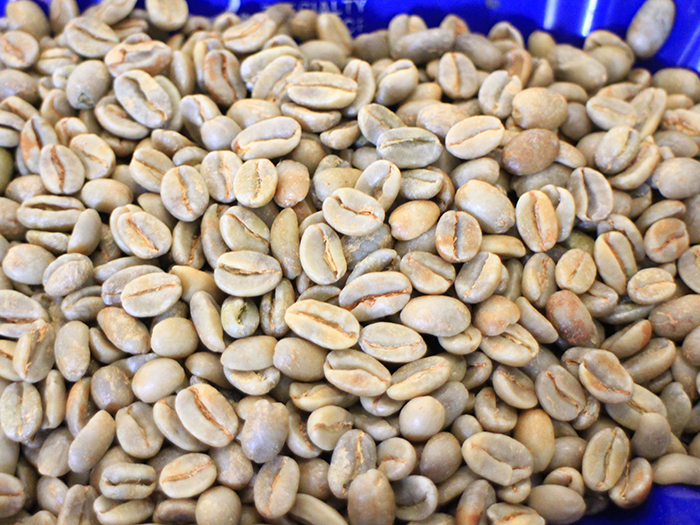
- Country: Costa Rica
- Region: Central Valley
- Altitude: 1,300–1,500 m
- Process: Red honey
- Varieties: Caturra, Catuai
- Grade: SHB (Strictly Hard Bean)
- Screen size: 18 mesh
- Brix range: 21–22°
- Annual rainfall: 3,000 mm
- Harvest: Dec–Feb
The beans are grown organically and processed using rainwater and vermicompost. No synthetic inputs are used at any stage.
Frequently Asked Questions
What is special about Fire Phoenix Estate coffee?
Fire Phoenix Estate is 100% organic and one of the earliest adopters of honey and natural processing in Central and South America. Its coffee cherries are only processed when they reach 20%+ sugar content (Brix), resulting in exceptionally sweet and complex cups, often with dried fruit, honey, and tropical notes.
What does “red honey process” mean?
Red honey is a coffee processing method where around 50% of the fruit mucilage is left on the beans during drying. It’s dried for 2–3 weeks, often with some shade to avoid over-fermentation, resulting in a balance of sweetness, body, and fruitiness without being overly syrupy or fermented.
Why does Brix matter in coffee cherries?
Brix measures sugar content in the coffee cherry. Most fruits measure 12–18°Brix, but Fire Phoenix only processes cherries with 20%+ sugar, often 21–22°Brix. This high sugar level translates into greater sweetness, deeper fruit flavours, and a richer cup profile.
What altitude is this coffee grown at?
This coffee is cultivated at 1,300–1,500 metres above sea level in Costa Rica’s Central Valley. The high elevation slows maturation, contributing to denser beans and more complex flavours typical of SHB (Strictly Hard Bean) grade.
What coffee varieties are used in this lot?
The lot consists of Caturra and Catuai varieties, both well-suited to Costa Rica’s high-altitude regions and known for their balanced cup profiles when processed carefully, especially under honey methods.
What does 18 mesh mean for green coffee?
18 mesh refers to the bean size, indicating that the majority of beans passed through a sieve with 18 openings per inch. It’s a standard size for high-quality specialty coffee, ensuring uniformity for even roasting.
Recommended FrontStreet Beans with Similar Processing
For fans of honey-processed Costa Rican coffee, try FrontStreet Coffee’s Strawberry Candy Espresso (Geisha/Caturra blend, honey processed, sweet berry and candy notes) or FrontStreet Black Cocoa Blend (Brazilian & Colombian mix, featuring chocolate and nut tones with a sweet backbone). Both offer rich, sweet profiles suited for filter or espresso. Freshly roasted within 5 days · Orders placed before 17:00 ship the same day · Next-day delivery across most of Guangdong Province.
FrontStreet Coffee is a long-established specialty coffee roaster in Guangzhou China, selling freshly roasted beans from its own farm in Yunnan as well as dozens of carefully selected single-origin beans from around the world for both pour-over and espresso. The products deliver consistently excellent quality and great value, with shipping within 24 hours. Guangzhou's FrontStreet Coffee shop is recommended by many coffee lovers, and the beans are now available online at the Tmall 。
Important Notice :
前街咖啡 FrontStreet Coffee has moved to new addredd:
FrontStreet Coffee Address: 315,Donghua East Road,GuangZhou
Tel:020 38364473