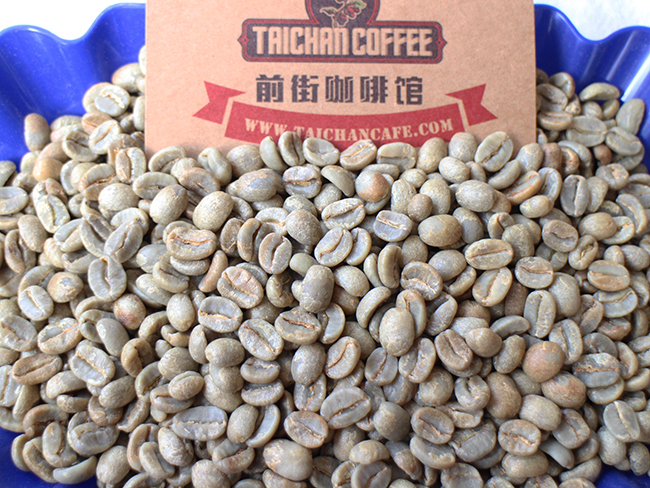
Colombia’s Hope Estate Natural Process Geisha Coffee Beans
When most Colombian farms chased volume in the 2010s, one estate bet everything on a then-obscure Ethiopian heirloom bean. Today, that gamble has made Hope Estate a benchmark for high-altitude natural-process Geisha—proof that patience, science, and terroir can turn a risky varietal into a world-class cup.
The answer lies in Hope Estate’s Cerro Azul farm at 1800m in Colombia’s Cauca Valley, where 5,000–7,000 carefully selected Geisha trees yield beans processed entirely by natural (sun-dried) method, celebrated for notes of berry, honey, vanilla, and juicy sweetness.
The Backstory: A Decade-Long Bet on Geisha
While the Colombian government pushed high-yield, disease-resistant varieties in the 2000s, Rigoberto Herrera—owner of Hope Estate—saw potential in Geisha, the variety that made Panama’s Hacienda Esmeralda famous. In 2006, his team, led by plant scientist Hernando Tapasco, studied Geisha cultivation firsthand by renting La Cardeida farm next to Hacienda Esmeralda in Boquete, Panama. A year later, they planted 35,000 Geisha seedlings at Cerro Azul in Cauca Valley, where warm air from the valley meets cool Pacific winds at elevations between 1700–1950m.
The first challenge came fast: two months after planting, most seedlings died. Critics, including Herrera’s brother, urged switching to pasture. But Herrera insisted on replanting and added windbreaks to protect the young trees. By 2012, those survivors delivered a stunning result—the Cerro Azul Geisha placed second at the Cup of Excellence, joining two other Hope Estate Geishas in the top ten (ranks 2nd, 3rd, and 7th).
What Makes Hope Estate Different
Hope Estate isn’t just another farm—it operates like a research hub. The Herrera brothers (whose family once ran farms in Trujillo) now manage six estates across 213 hectares, including four in Colombia (Trujillo and Caicedonia) and two in Panama (La Cardeida and original Boquete plots). Their team includes PhD plant scientists, three certified cuppers, and 100 full-time staff.
All six estates span eight unique microclimates across Colombia’s three mountain ranges, allowing controlled experiments with processing methods, varieties, and terroir. Every step—from nursery to export—tracks 95 data points. Tapasco’s team runs a weather station to guide harvest timing, and weekly data analysis links weather, production, and cupping results. Even the pickers are specialists: they’re paid daily (not by weight) to ensure only ripe cherries are harvested, and half have over six years of experience.
The Cerro Azul Geisha Process
Cerro Azul’s Geisha trees (40,000–45,000 total) are part of 14,000+ organic coffee plants. But only 5,000–7,000 trees produce beans worthy of the Cerro Azul Geisha brand. Harvested cherries are meticulously sorted and processed separately by batch. The natural method starts with three days of pre-drying on raised beds, followed by slow drying in small towers. Quality control is extreme: just a fraction of the estate’s Geisha makes the final cut.
Varietal experimentation is constant. Alongside organic Caturra, the estate grows Geisha (including 14+ variants), Bourbon (red, yellow, Tekisik), Pacamara, SL28, Sidra, and more. Each microclimate and variety gets tailored processing. For example, their “AAA Reserve Geisha” refers to two of seven Geisha variants grown at the highest altitudes (1800–2000m) on Cerro Azul, with processing adjusted to highlight each variant’s peak flavors.
Frequently Asked Questions
What makes Hope Estate’s Geisha different from others?
Hope Estate’s Geisha is grown at 1800m in Colombia’s Cauca Valley, using only 5,000–7,000 select trees per batch. The natural process involves three days of pre-drying on beds and slow tower drying, with rigorous selection—just 5,000–7,000 of 40,000–45,000 trees qualify. The result is a cup with distinct berry, honey, vanilla, and juice-like sweetness, backed by data-driven farming and decade-long expertise.
Why did Hope Estate choose natural processing for Geisha?
Natural (sun-dried) processing enhances Geisha’s inherent fruitiness and sweetness. At Hope Estate, this means three days of pre-drying on raised beds followed by slow drying in small towers, which concentrates the berry, honey, and vanilla notes that define their award-winning profile. This method aligns with their data-backed focus on maximizing terroir and varietal expression.
How did Hope Estate’s Geisha win awards?
Hope Estate’s Cerro Azul Geisha placed second at the 2012 Cup of Excellence, with two other estate Geishas ranking third and seventh. The estate’s meticulous farming (only 5,000–7,000 trees selected per batch), natural processing, and scientific approach—tracking 95 data points from nursery to export—helped secure these top rankings against global competition.
What other varieties does Hope Estate grow?
Besides Geisha, Hope Estate cultivates Bourbon (red, yellow, Tekisik), Pacamara, SL28, Sidra, and more. They experiment with processing methods tailored to each microclimate and variety, including the estate’s signature natural process for Geisha. Their diverse plantings reflect a wine-like approach to coffee varietals.
Where is Hope Estate located?
Hope Estate’s main Geisha farm, Cerro Azul, is in Colombia’s Cauca Valley at 1800m. The estate also manages five other farms across Colombia (Trujillo and Caicedonia) and Panama (Boquete), totaling 213 hectares across eight unique microclimates.
Recommended FrontStreet Beans for Geisha Lovers
FrontStreet Coffee’s Ethiopia Huakui (Yirgacheffe region) highlights the same floral and fruity complexity fans love in Hope Estate’s Geisha, with notes of strawberry, citrus, guava, and mango. For a more syrupy, tea-like cup, their Jamaica Blue Mountain No.1 offers refined brightness with chocolate and spice. Both beans showcase the delicate balance and origin-driven profiles that define high-end single-origin coffees. Freshly roasted within 5 days · Orders placed before 17:00 ship the same day · Next-day delivery across most of Guangdong Province.
FrontStreet Coffee is a long-established specialty coffee roaster in Guangzhou China, selling freshly roasted beans from its own farm in Yunnan as well as dozens of carefully selected single-origin beans from around the world for both pour-over and espresso. The products deliver consistently excellent quality and great value, with shipping within 24 hours. Guangzhou's FrontStreet Coffee shop is recommended by many coffee lovers, and the beans are now available online at the Tmall 。
Important Notice :
前街咖啡 FrontStreet Coffee has moved to new addredd:
FrontStreet Coffee Address: 315,Donghua East Road,GuangZhou
Tel:020 38364473