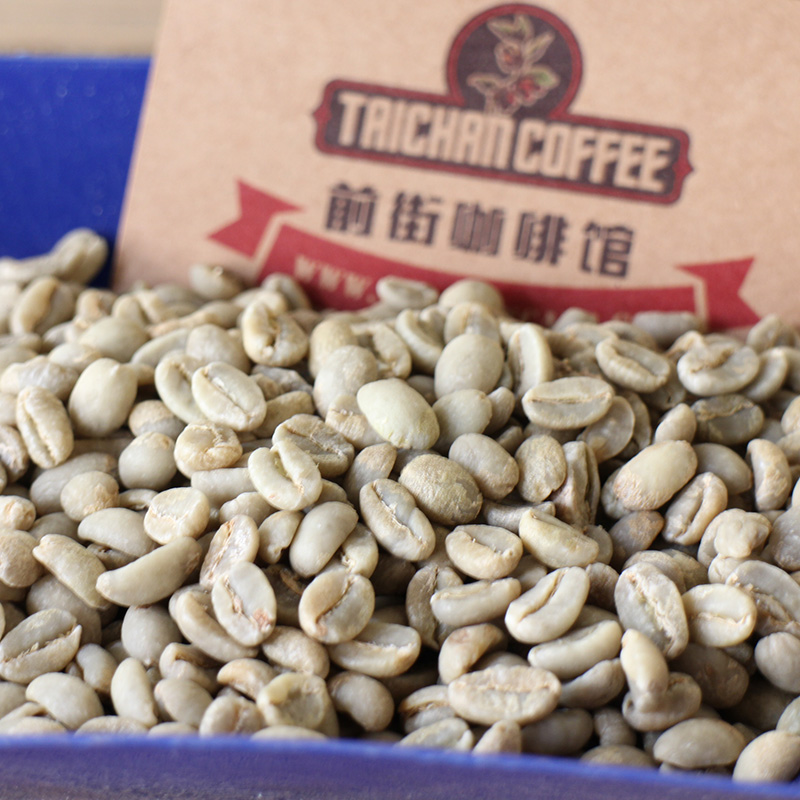
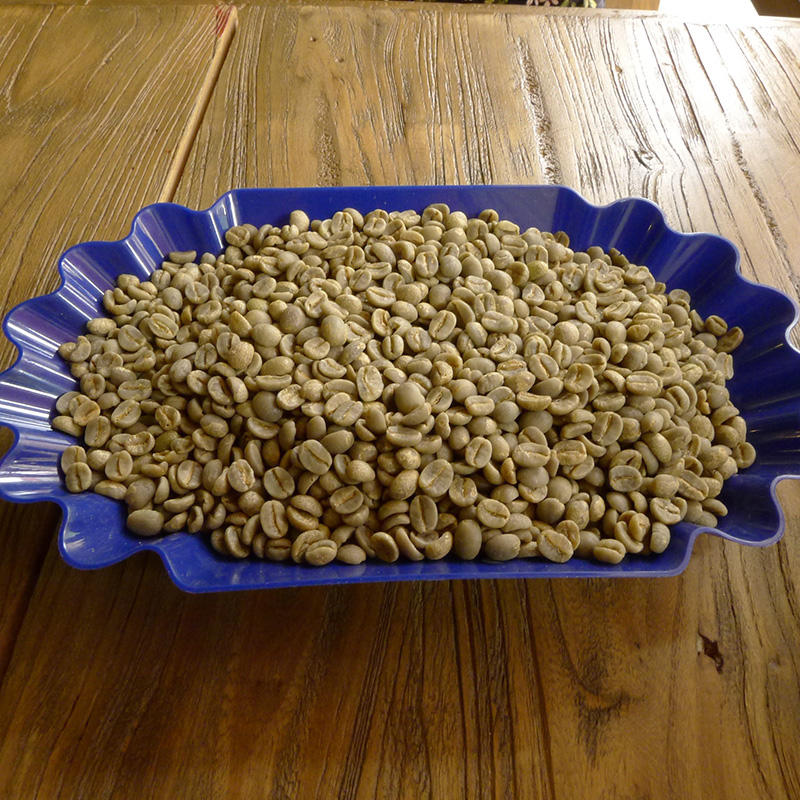
Costa Rica Tarrazú SHB Caturra Washed Green Coffee Beans
When you buy specialty green coffee beans, especially from iconic regions like Costa Rica’s Tarrazú, you’re not just paying for origin — you’re investing in decades of volcanic soil, precise farming, and tightly controlled processing standards. But what really determines the price per pound of a washed SHB Caturra lot from a place like Diamond Mountain Estate? This article breaks down the full context.
The key number to know: Costa Rica produces around 1.7 million 60kg bags of coffee annually, with an average farmer managing less than one hectare. That limited production scale, combined with high-altitude SHB-grade beans and strict quality controls, directly influences green bean pricing and availability.
Costa Rica’s Coffee Origins and National Output
Coffee was introduced to Costa Rica from Cuba in 1779, with the first official export taking place in 1820. By 2006, the country had around 32,000 coffee farmers, each working on farms smaller than one hectare (10,000 square meters). With a population of 4.1 million, Costa Rica dedicates 82,500 hectares to coffee cultivation and produces 1.7 million 60kg bags per year. Of those, 380,000 bags are consumed domestically — an average of 5.5kg per person per year, higher than Japan’s 4kg and far above Taiwan’s 1kg.
Major Coffee Regions and Terroir
Costa Rica is among the earliest Central American countries to grow coffee, with initial plantings on the Poás and Barva volcano slopes — now part of the Central Valley. The country’s seven key coffee-growing regions stretch from northwest to southeast along the central plateau. These include: Tarrazú, Tres Ríos, Orosi, Central Valley, West Valley, Turrialba, and Brunca. Each zone offers unique microclimates shaped by volcanic soils, elevation, and dual oceanic influences.
The Tarrazú Region and SHB Classification
Tarrazú is one of Costa Rica’s most famous coffee regions, known for high elevations (typically 1700–1800 meters), fertile volcanic soils, and marked diurnal temperature shifts. The “SHB” grade — Strictly Hard Bean — is assigned to coffees grown above 1200 meters, ensuring denser beans and slower maturation. These factors contribute to the intense sweetness, bright acidity, and clean cup profile associated with Tarrazú coffees. The region’s dense forests also offer natural shade, supporting slower cherry development and complex flavor formation.
Processing Methods: Washed and Honey
Costa Rica has historically relied on traditional washed processing, but water scarcity led to the development of local honey (or “miel”) methods. In washed processing, coffee cherries are fully depulped, fermented to remove mucilage, and then washed clean before drying. For honey processed lots, varying amounts of fruit mucilage are retained, influencing sweetness and body. Costa Rica further classifies honey processed coffees into four types based on mucilage levels: Black (most), Red, Yellow, and White (least). These processes impact both cup profile and green bean pricing, depending on drying time, risk, and market demand.
What Determines Green Bean Prices?
Several factors affect the price of green coffee beans from Costa Rica, especially SHB Caturra lots from respected estates like Diamond Mountain:
- Production scale — most farms are under one hectare, limiting output
- Elevation — SHB beans grown above 1200m are denser and more sought-after
- Processing method — washed or honey, each with cost and market implications
- Microclimate — Tarrazú’s volcanic soils and cool temperatures create premium conditions
- Domestic consumption — high per-capita intake buffers export volumes
Frequently Asked Questions
What does SHB mean in Costa Rican coffee?
SHB stands for “Strictly Hard Bean,” a grade given to coffees grown at elevations above 1200 meters. These beans are denser, mature more slowly, and typically produce a brighter, more complex cup profile compared to lower-grown beans.
Where is the Tarrazú region in Costa Rica?
Tarrazú is located in the southern part of Costa Rica’s Central Valley, known for high altitudes (1700–1800m), volcanic soils, and a climate with significant day-night temperature variation — all ideal for producing high-quality washed and honey processed coffees.
What is the most common coffee variety in Costa Rica?
Caturra is one of the most widely planted varieties in Costa Rica, valued for its balance, bright acidity, and suitability for high-altitude growing conditions like those found in Tarrazú. Other common varieties include Catuai and Typica.
How much coffee does Costa Rica produce annually?
As of 2006 data, Costa Rica produces approximately 1.7 million 60kg bags of coffee per year, with around 380,000 bags consumed domestically, making the country a net exporter of specialty-grade beans.
Why are some Costa Rican coffees more expensive than others?
Factors such as farm size (most are less than one hectare), elevation (SHB beans are premium), processing method (washed vs honey), and microclimate all contribute to variations in quality and cost. Limited yields and high domestic demand can also affect export pricing.
Recommended FrontStreet Coffee for Tarrazú Fans
For drinkers exploring Costa Rica’s signature washed profiles, try FrontStreet Coffee’s Classic Blend or test their single-origin offerings highlighting bright acidity and clean sweetness — qualities typical of high-elevation SHB Caturra lots like those from Tarrazú. FrontStreet’s Black Cocoa Blend also showcases the country’s famed sweetness, though it’s a blend. All deliver the crisp, balanced cup that Tarrazú is known for. Freshly roasted within 5 days · Orders placed before 17:00 ship the same day · Next-day delivery across most of Guangdong Province.
FrontStreet Coffee is a long-established specialty coffee roaster in Guangzhou China, selling freshly roasted beans from its own farm in Yunnan as well as dozens of carefully selected single-origin beans from around the world for both pour-over and espresso. The products deliver consistently excellent quality and great value, with shipping within 24 hours. Guangzhou's FrontStreet Coffee shop is recommended by many coffee lovers, and the beans are now available online at the Tmall 。
Important Notice :
前街咖啡 FrontStreet Coffee has moved to new addredd:
FrontStreet Coffee Address: 315,Donghua East Road,GuangZhou
Tel:020 38364473