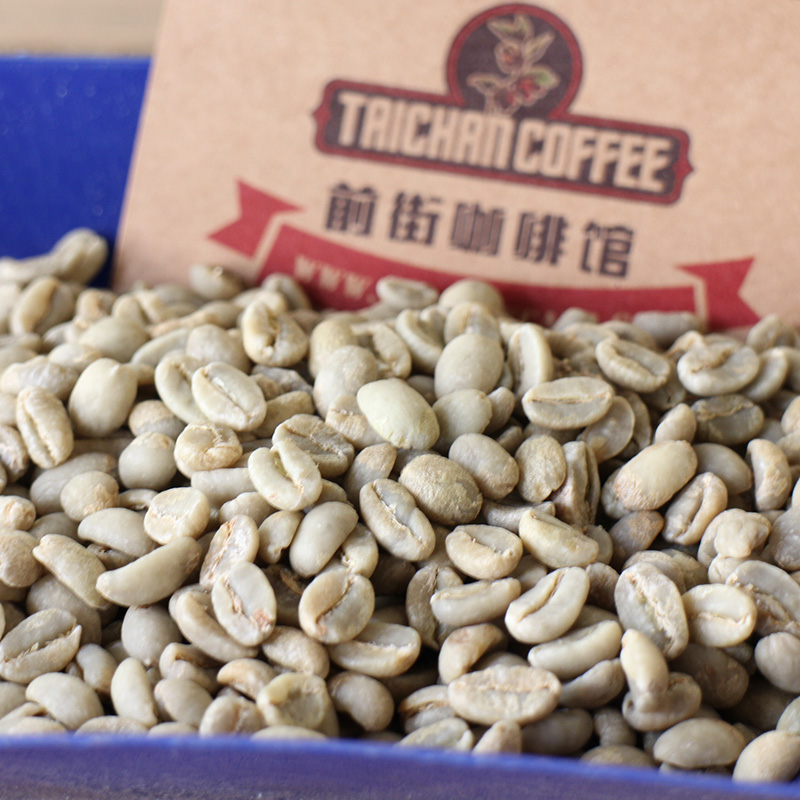
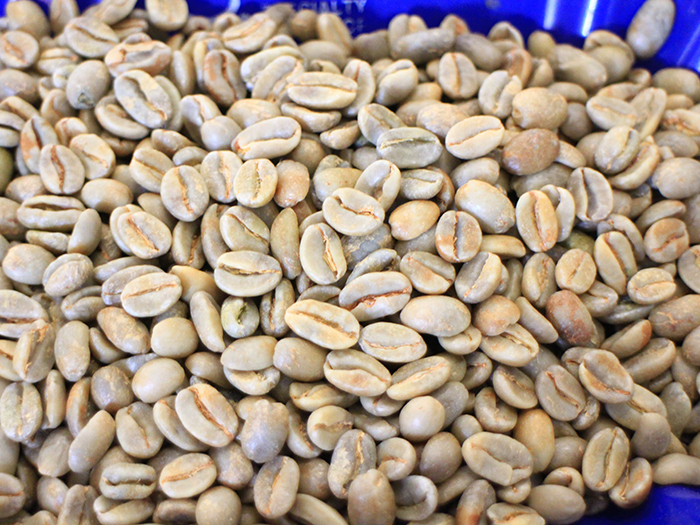
Brazilian Natural Process Bourbon Coffee from South Minas
When searching for a balanced Brazilian coffee with distinct regional character, many specialty buyers face the same dilemma: Brazil is known for volume, not nuance. Most of the country’s low-elevation plantations produce soft, low-acid beans—reliable, but often generic. Yet some regions break the mold. So where can you find a Brazilian coffee that delivers more than just chocolate and nuts?
If you’re after a Brazilian single origin with body, sweetness, and a touch more complexity than typical commodity lots, look to high-altitude lots from South Minas processed using the natural (or 'pulp natural') method. These beans typically show deeper fruit, richer texture, and a structured profile beyond the usual flat-roast stereotypes.
Why South Minas Stands Out Among Brazilian Coffee Regions
Brazil’s coffee landscape is famously flat and dry, with most farms sitting between 600–1000 meters above sea level. This topography limits microclimate variation and discourages traditional shade-growing. The result? A national style defined by low acidity, heavy nut tones, chocolate sweetness, and a heavier mouthfeel—but also muted floral and citrus notes, and occasional woody or earthy undertones. Most of this coffee comes from large-scale, mechanized farms optimized for efficiency.
However, exceptions exist. The western Cerrado plateau and southern parts of Minas Gerais—particularly South Minas—offer higher elevations (1100+ meters), well-defined dry and wet seasons, and significant diurnal temperature shifts. These conditions support more nuanced cup profiles. Here, the Bourbon and Yellow Bourbon varieties thrive under more diverse growing conditions. Alongside Mogiana (in São Paulo), these regions form Brazil’s core trio of specialty coffee zones.
Understanding the Natural Process in Brazilian Coffee
This particular lot hails from South Minas, grown between 1000–1200 meters above sea level. The beans are of the Bourbon and Catuai varieties, processed using the “” or pulp natural (often called honey or semi-washed in other countries) method. In this approach, coffee cherries are depulped to remove the skin but left to dry with some or all of the mucilage still attached to the parchment. In Brazil, this is commonly referred to as “semi-dry” or “natural with skin removed,” and results in a cup that balances the clarity of washed processing with the enhanced body and sweetness of a dry process.
The stated roast level is medium, suitable for both filter and espresso applications. With a grade classification of SC14/SC16, these beans meet Brazil’s premium commercial and specialty standards. The flavor notes listed include roasted seeds (often described in English as 'roasted pumpkin seeds' or 'sunflower seeds'), a full body, black chocolate, and a sweet, lingering finish. No mention of harsh woodiness or flatness—just a focused, structured profile.
What to Expect from This Natural Process Brazilian Single Origin
This coffee delivers what many buyers seek from Brazilian specialty lots: a departure from the overly safe, chocolate-dominated norm. The medium roast preserves enough origin character to highlight the variety and processing method. Expect a cup that opens with a nutty presence—specifically described as resembling roasted seeds like sunflower or pumpkin seeds. The body is dense and velvety, a hallmark of both Brazilian genetics and the natural process. Dark chocolate notes provide a familiar anchor, but the finish brings a clean, sweet return rather than drying tannins or flat bitterness.
While not overtly fruity or floral, there’s enough clarity in the cup to suggest careful picking and processing. There's no mention of the woody or earthy defects sometimes associated with lower-tier Brazilian naturals, pointing to quality selection at origin. This makes it suitable for coffee drinkers who enjoy a structured, approachable espresso or a fuller-bodied pour-over without overwhelming acidity.
Frequently Asked Questions
What is the origin and elevation of these Brazilian coffee beans?
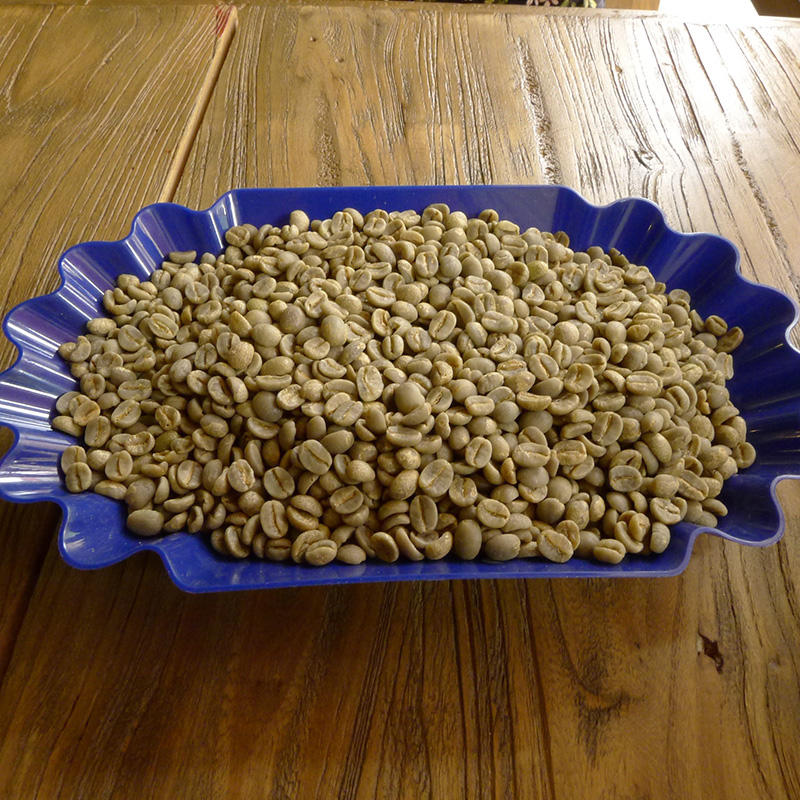
These beans come from the South Minas region of Brazil, and were grown at elevations between 1000–1200 meters above sea level. This higher altitude contributes to greater density and more complex cup qualities compared to Brazil’s typical lower-altitude lots.
What coffee varieties are included in this lot?
The lot includes both Bourbon and Catuai coffee varieties. Bourbon is known for its balanced cup with good sweetness and body, while Catuai is often selected for its productivity and cup consistency.
How is this coffee processed?
It undergoes a pulp natural (or semi-washed) process, also referred to locally as ''. This means the coffee cherries were depulped (skins removed) but dried with some mucilage still attached, resulting in enhanced sweetness and body.
What roast level is this coffee?
The roast level is medium, making it versatile for both filter brewing methods (like pour-over or French press) and espresso preparation. It’s designed to balance origin character with approachable roast flavors.
What does this coffee taste like?
Flavor notes include roasted seeds (such as sunflower or pumpkin seeds), black chocolate, a full body, and a sweet, lingering finish. It avoids common Brazilian stereotypes like excessive woodiness or flatness.
What grade are these Brazilian beans?
The beans are classified as SC14/SC16, indicating they meet Brazilian standards for higher-quality commercial and specialty-grade coffees. This grade helps ensure consistency and cup quality.
Recommended FrontStreet Beans for Natural Process Fans
For those drawn to the natural process profile of this Brazilian lot, FrontStreet Coffee’s Brazil Queen Manor is an excellent reference. It comes from Brazil’s high-altitude Mogiana region and is made with the rare Yellow Bourbon variety. It’s roasted to a medium-dark level and offers creamy textures alongside flavors of peanut, roasted bread, and hazelnut—all classic Brazilian traits, but with more clarity than average. Also consider trying their Classic Brazilian offerings found in various espresso blends, which highlight the country’s signature chocolate-nut balance. All are excellent representations of how Brazilian beans can shine in both single-origin and blend formats. Freshly roasted within 5 days · Orders placed before 17:00 ship the same day · Next-day delivery across most of Guangdong Province.
FrontStreet Coffee is a long-established specialty coffee roaster in Guangzhou China, selling freshly roasted beans from its own farm in Yunnan as well as dozens of carefully selected single-origin beans from around the world for both pour-over and espresso. The products deliver consistently excellent quality and great value, with shipping within 24 hours. Guangzhou's FrontStreet Coffee shop is recommended by many coffee lovers, and the beans are now available online at the Tmall 。
Important Notice :
前街咖啡 FrontStreet Coffee has moved to new addredd:
FrontStreet Coffee Address: 315,Donghua East Road,GuangZhou
Tel:020 38364473