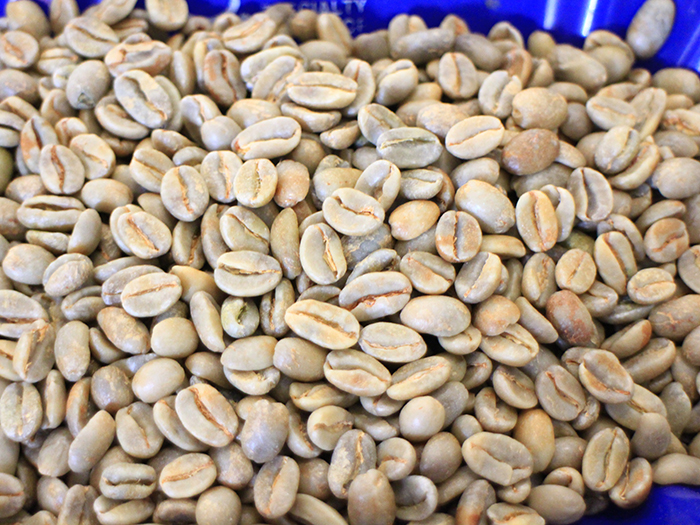
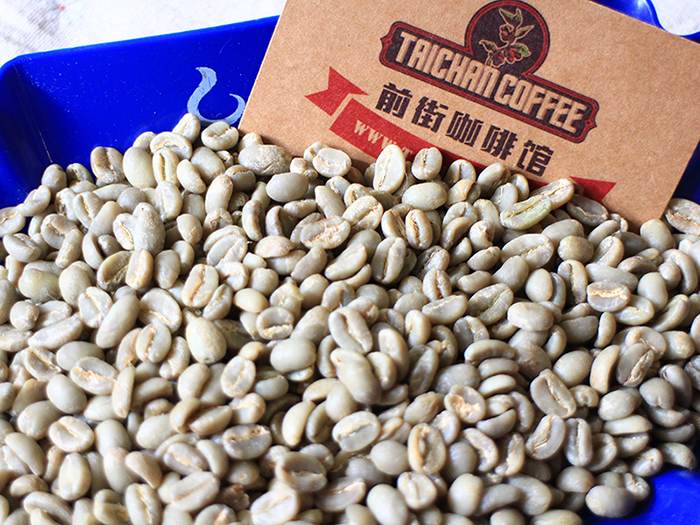
Bali’s Sun-Dried Specialty Coffee Beans from Kintamani
When most people think of Bali, they imagine beaches and temples—not coffee. For decades, local coffee was treated as a cheap commodity, processed inconsistently and sold at rock-bottom prices. That began to change when Rodney and his partners set out to redefine Bali’s coffee reputation by opening the island’s only specialty café in Ubud, the cultural heart of the island.
Bali’s high-elevation Kintamani region now produces sun-dried specialty-grade coffee with complex tropical fruit flavors. This year’s natural-process batch delivers ripe peach, pineapple, and black sugar notes—rivaling top lots from Panama.
The Birth of a Specialty Coffee Movement in Bali
Rodney and two Q Grader-certified partners launched Bali’s first specialty coffee shop in Ubud, serving only locally sourced beans from nearby regions like Java, Sulawesi, New Guinea, and Flores. Their café is equipped with 1kg and 4kg roasters and staffed by the island’s only Q-certified team. Their mission quickly grew beyond serving coffee—they wanted to fix the entire supply chain.
From Unpredictable Origins to Controlled Processing
Before 2015, most Bali coffee was processed by farmers in the Mount Batur area, where weather, fruit quality, and processing conditions led to inconsistent results. To gain full control, Rodney built his own processing facility next to his café and in the front yard, focusing on quality from harvest to drying.
Kintamani Coffee: Altitude, Variety & Season
This year’s standout lot comes from the Kintamani volcanic region at 1400 meters above sea level. The coffee was harvested between June and September using USDA, Karka, and S-795 varieties. These beans were carefully selected from high-quality red cherries at origin.
Innovative Processing Yields Exceptional Results
In the most recent harvest season, Rodney tested three processing methods: washed, honey, and natural (sun-dried). While the washed and honey lots showed bright, complex acidity, the natural-process batch delivered an unexpected depth of flavor. It exhibited intense notes of ripe peach, pineapple, mango, and tropical fruit wine—surpassing many Central American premium naturals. The cup also displayed a syrupy body, sweet finish with brown sugar, dark chocolate, and hazelnut tones, and an exceptionally low defect rate and high uniformity.
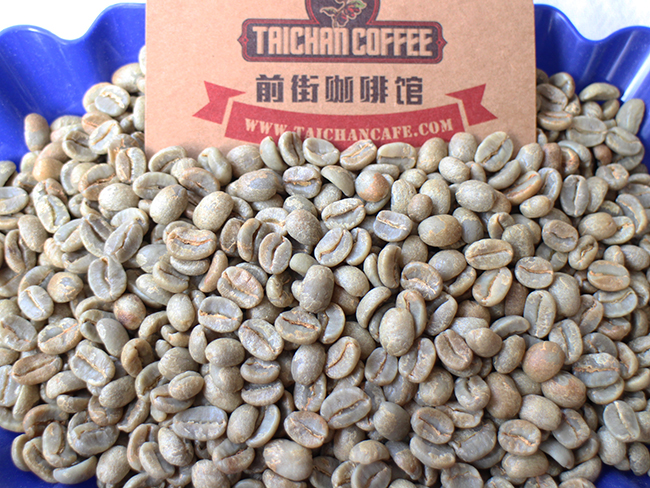
Flavor Profile of Kintamani Natural Process Coffee
The dry fragrance offers strong cantaloupe and tropical fruit aromas. On the cupping table, the flavor transitions to pineapple and strawberry jam sweetness. As the cup cools, it reveals smooth, rich acidity, with a long finish of muscovado sugar, refined dark chocolate, and hazelnut. The overall mouthfeel is syrupy and sweet, with sun-dried tropical fruit character that outshines many well-known Central American estates.
Karana: More Than Just Coffee
Beyond crafting exceptional coffee, Rodney’s project—Karana—also addresses broader social issues. Profits from coffee sales are reinvested into local village education programs, including building schools and supplying educational materials, giving back to the communities that grow the coffee.
Frequently Asked Questions
Where is Kintamani coffee grown?
Kintamani coffee is grown in the volcanic highlands of Bali, at an elevation of around 1400 meters above sea level. The region offers ideal conditions for cultivating high-quality Arabica beans with distinct fruity and sweet profiles.
What processing method was used for this Bali coffee?
This particular lot was processed using the natural (sun-dried) method. Cherries were harvested at peak ripeness and dried with the fruit still intact, allowing for intense tropical fruit and sweet flavor development.
What coffee varieties are used in Kintamani?
The beans come from USDA, Karka, and S-795 varieties, which are well-suited to Bali’s volcanic soil and high-altitude environment. These varieties contribute to the cup’s complexity and sweetness.
When is Kintamani coffee harvested?
The harvest season in Kintamani runs from June to September each year. This timing ensures the coffee cherries are picked at optimal ripeness during the dry season.
How does this Bali sun-dried coffee compare to other naturals?
This natural-process Kintamani coffee has been noted for its exceptionally clean profile, low defect rate, and vibrant tropical fruit notes that rival or surpass many premium naturals from Central America and Panama.
What flavors should I expect from Kintamani natural coffee?
Expect a syrupy body with upfront notes of ripe peach, pineapple, and mango, followed by brown sugar, dark chocolate, and hazelnut in the finish. The cup is sweet, balanced, and complex.
Recommended FrontStreet Beans for Tropical Fruit Lovers
For drinkers drawn to Bali’s sun-dried tropical profile, try FrontStreet’s Lintong Mandheling, a Sumatra classic with herbal depth and notes of spice and dark chocolate. Also consider the PWN Golden Mandheling, known for its clean cup, toastiness, and hints of caramel and cocoa—selected through rigorous sorting. Both showcase Indonesia’s ability to produce distinctive, high-quality single-origin beans. Freshly roasted within 5 days · Orders placed before 17:00 ship the same day · Next-day delivery across most of Guangdong Province.
FrontStreet Coffee is a long-established specialty coffee roaster in Guangzhou China, selling freshly roasted beans from its own farm in Yunnan as well as dozens of carefully selected single-origin beans from around the world for both pour-over and espresso. The products deliver consistently excellent quality and great value, with shipping within 24 hours. Guangzhou's FrontStreet Coffee shop is recommended by many coffee lovers, and the beans are now available online at the Tmall 。
Important Notice :
前街咖啡 FrontStreet Coffee has moved to new addredd:
FrontStreet Coffee Address: 315,Donghua East Road,GuangZhou
Tel:020 38364473