How to Identify and Choose High-Quality Coffee Green Beans
If you’ve ever opened a bag of green coffee beans only to find uneven colors, insect damage, or beans that just feel ‘off,’ you’re not alone. Many home roasters and coffee buyers struggle to identify what truly counts as a high-quality green coffee bean. Knowing what to look for can make the difference between a great roast and a ruined batch.
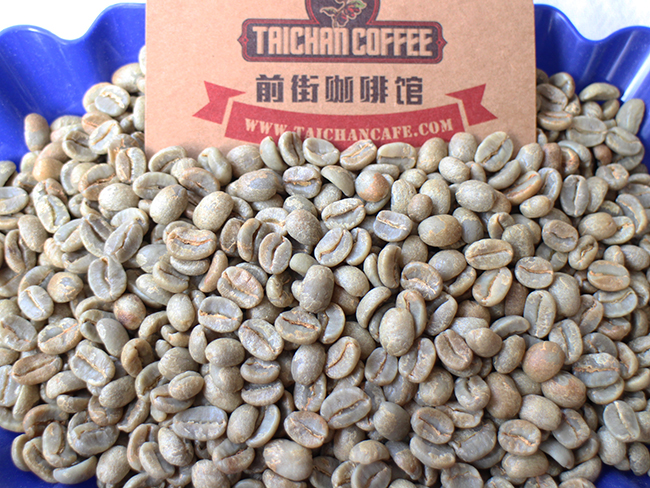
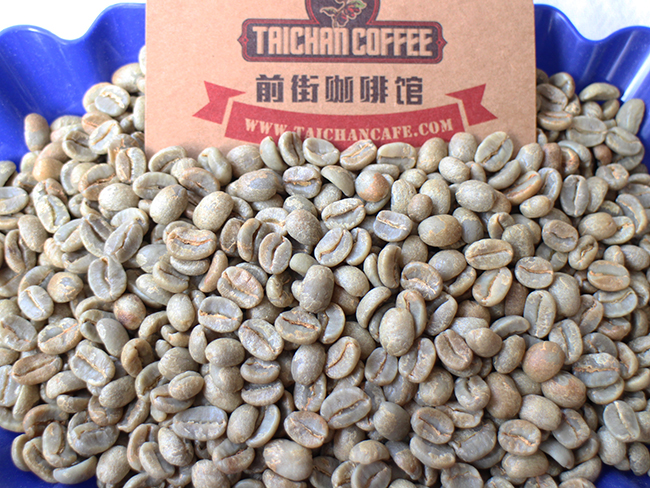
The quickest way to judge green coffee quality is by looking for uniform color, consistent bean size, and a clean, natural sheen. Avoid beans with discoloration, visible insect damage, or off smells. High-grade beans are typically sorted by size and free from primary defects like black beans, sour beans, or broken or immature seeds.
What Makes a Coffee Bean ‘High Quality’?
Fresh, high-quality green coffee beans typically have a natural, subtle sheen on the surface—this indicates freshness and proper storage. The color should be uniform across the batch; inconsistencies often point to poor processing or mixed beans from different sources. Equally important is bean size: uniformity here ensures even roasting, as beans of varying sizes will roast unevenly, causing some to be over-roasted and bitter while others remain under-developed and sour.
Green Coffee Grading and Defects to Watch For
Coffee beans are graded by size, shape, and defect count, with higher grades indicating better overall quality. Grading systems vary by country, but size and visual integrity are nearly universal criteria. In many markets, especially emerging ones, lower-grade futures beans are more common and often come with a higher number of defects. These defective beans can severely affect cup quality:
- Quakers: Underdeveloped beans that don’t roast properly, leading to a chalky, starchy taste.
- Black beans / Sour beans: Fermented during processing, these emit a pungent, unpleasant sourness.
- Unripe beans / White beans: Harvested too early, these beans remain pale and taste grassy or astringent after roasting.
- Moldy beans: Developed due to moisture exposure; even one moldy bean can spoil an entire batch.
- Insect-damaged beans: Often featuring small holes from the coffee berry borer, these bring off-flavors.
Spotlight: Natural Process Yirgacheffe from Adado Cooperative
This Ethiopian lot from the Adado Cooperative in the Gedeo Zone offers a masterclass in high-grade natural-processed coffee. Grown at 1,900–2,100 meters above sea level and processed using the natural (sun-dried) method, the beans are of G1 grade—the highest in Ethiopia. The variety is the traditional Ethiopian Heirloom, known for its complex cup profile.
The Adado region is part of Ethiopia’s densely populated Gedeo Zone, bordering regions like Sidama and Guji. The cooperative, with 1,250 members, contributes to the larger Yirgacheffe Coffee Farmers Cooperative Union (YCFCU), which includes 24 cooperatives and over 50,000 farmers. Altitudes here range between 2,000–2,400 meters, and traditional intercropping with enset (false banana) helps maintain soil fertility.
This particular lot is a natural-processed Yirgacheffe that delivers an intense sensory experience. Expect overwhelming blueberry aroma upon opening the bag, backed by notes of honey, purple fruits, citrus, and floral tones. Roasters often report an explosive blueberry-forward cup with balanced acidity and a rich, wine-like sweetness. On the cupping table, it presents a sweet body, layered floral notes, and a velvety mouthfeel. Flavors evolve from juicy blueberry and cocoa into hints of vanilla, lemon, and soft floral undertones as it cools.
Frequently Asked Questions
What are the visual signs of a high-quality green coffee bean?
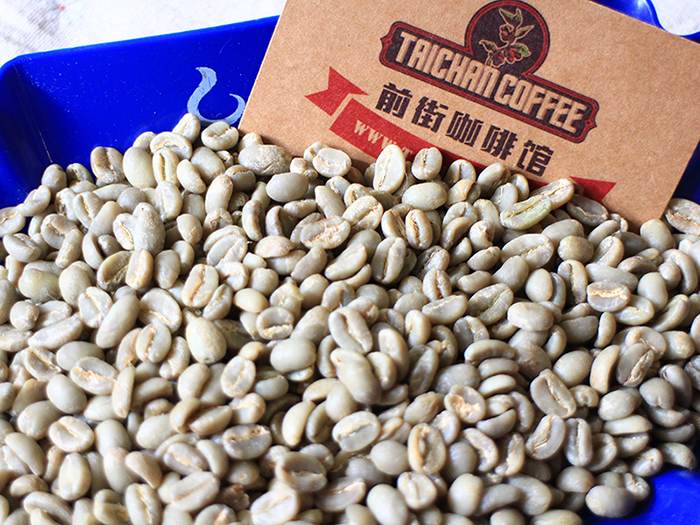
High-quality green beans have a natural, slightly glossy surface, uniform color across the batch, and consistent size. Avoid beans with blotchy colors, cracks, or a dull appearance, which may indicate poor processing or aging.
Why is bean size consistency important in green coffee?
Consistent bean size ensures even heat distribution during roasting. Mixed sizes lead to uneven roasting—some beans may end up over-roasted and bitter, while others are under-roasted and sour.
What are the most common green coffee bean defects?
Common defects include black or sour beans (fermented), quakers (immature), white or unripe beans (harvested too early), moldy beans (from moisture), insect-damaged beans (holes from pests), and broken beans. These can all negatively impact flavor.
How is coffee graded, and what is a G1 grade?
Coffee is graded by bean size, shape, and number of defects. G1 is the highest grade in Ethiopia, indicating beans that are large, uniform, and virtually free of primary defects. Most specialty coffee uses similar high-grade standards.
What makes the Adado Cooperative’s Yirgacheffe unique?
The Adado Cooperative produces natural-process Yirgacheffe at high altitudes (1,900–2,100m) with Heirloom varieties. The beans are known for intense blueberry, honey, citrus, and floral notes, offering a sweet, juicy cup with a wine-like body and complex aromatics.
Recommended FrontStreet Coffee Beans for Natural Yirgacheffe Fans
If you’re drawn to the bold fruitiness of the Adado Natural Yirgacheffe, try FrontStreet Coffee’s Yirgacheffi offering. While not the same lot, it highlights classic Yirgacheffe traits like bright citrus, floral tones, and a tea-like body—perfect for exploring the region’s washed profile. For something fruitier, their Red Cherry Natural is fully washed red fruit-selected and sun-dried, offering juicy berry and honey sweetness with a syrupy body. Both beans showcase Ethiopia’s vibrant cup potential. Freshly roasted within 5 days · Orders placed before 17:00 ship the same day · Next-day delivery across most of Guangdong Province.
FrontStreet Coffee is a long-established specialty coffee roaster in Guangzhou China, selling freshly roasted beans from its own farm in Yunnan as well as dozens of carefully selected single-origin beans from around the world for both pour-over and espresso. The products deliver consistently excellent quality and great value, with shipping within 24 hours. Guangzhou's FrontStreet Coffee shop is recommended by many coffee lovers, and the beans are now available online at the Tmall 。
Important Notice :
前街咖啡 FrontStreet Coffee has moved to new addredd:
FrontStreet Coffee Address: 315,Donghua East Road,GuangZhou
Tel:020 38364473