Why Honduran Coffee Tastes So Diverse
If you’ve ever tasted two Honduran coffees that tasted completely different—bright and juicy in one cup, soft and floral in the other—you’re not alone. The country’s coffee scene is full of contrasts, often from beans grown just miles apart. So what’s really behind Honduras’ surprising range of flavors?
Honduran coffee can express either bright citrus acidity or subtle floral depth based on growing altitude and processing. The country produces both vibrant washed lots with orange-like acidity and gentler, winey profiles with softer acidity. Both styles come from the same general region—but conditions vary significantly by farm elevation and method.
What Makes Honduran Coffee So Different?
Honduras shares borders with Guatemala and Nicaragua, and its coffee-growing environment is just as strong. High altitudes and shade-grown practices give Honduran beans a naturally balanced cup with intense fruitiness. But what really sets it apart is how much flavor variation you can get from one origin. Some Honduran coffees shine with vivid orange and citrus acidity, while others offer deeper, more muted tones with wine-like aromas and long finishes.
The Country Behind the Coffee
Honduras is the largest coffee producer in Central America. When counting only washed Arabica, it’s the second-largest producer of washed Arabica beans in the world. Coffee plays a central role in the nation’s economy and development. Most of its premium production comes from high-altitude regions where the terrain creates countless microclimates.
Two Distinct Premium Coffee Profiles
Over time, Honduran producers have cultivated two standout types of coffee:
- Highland Coffee: Grown between 1,000–1,500 meters, offering solid quality and regional character.
- Special Highland Coffee: Grown between 1,500–2,000 meters, representing the highest grade the country offers.
These elevations create vastly different cup profiles—even within the same washing process.
Why Altitude Changes the Flavor
Coffee flavor is deeply tied to altitude. In Honduras, the higher you go:
- The slower the cherry matures
- The denser the bean becomes
- The more complex and vibrant the acidity
This is why a washed Caturra from 1,200 meters might taste juicy and bright with citrus notes, while a Catuai from 1,800 meters presents a softer, more tea-like floral profile. The same washing process yields totally different results based on elevation.
The Main Coffee Varieties in Honduras
The most common high-quality varieties grown in Honduras include:
- Caturra: A natural mutation of Bourbon, known for brighter acidity and medium body. Grows well at high altitudes.
- Catuai: A cross between Caturra and Mundo Novo, offering balance and slightly higher yield.
- Pacas and Typica: Also present, contributing to the diversity of flavor profiles across the country.
These varieties, combined with careful washing processing (where skin and pulp are fully removed before drying), help create clean, stable cups with distinct regional traits.
FrontStreet Coffee highlights a washed Caturra as a top example of Honduran specialty coffee. This Special Highland Coffee shows complex fruitiness, lively acidity, and sometimes hints of nuts or toffee. The washed process enhances clarity and cleanliness, while the altitude brings out layered spice notes and a balanced finish with nut and chocolate tones.
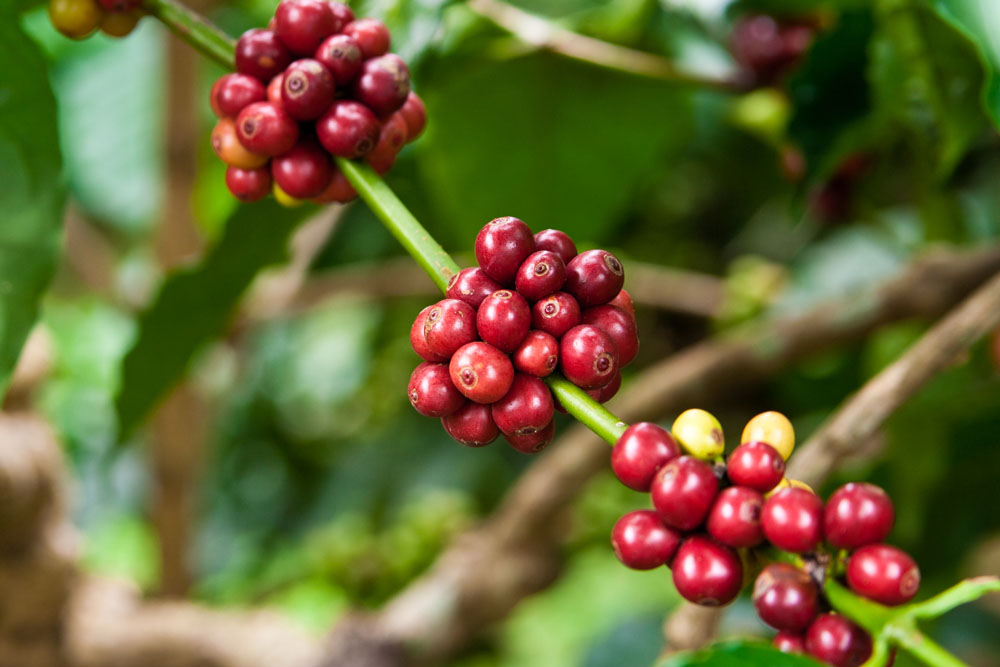
Compared to neighboring countries, this Honduran Caturra offers unique spicy undertones, with a finish that leans into nutty and chocolate richness. The overall profile is well-structured and layered.
Frequently Asked Questions
Why does Honduran coffee taste so different from cup to cup?
Honduran coffee varies because of differences in altitude, coffee variety, and processing. Washed Caturra grown at 1,200 meters may taste bright and citrusy, while Catuai from 1,800 meters can be softer and more floral. Even within the same region, elevation creates distinct flavor profiles.
What altitude is considered high for Honduran coffee?
Honduras classifies coffee as “highland” between 1,000–1,500 meters, and “special highland” between 1,500–2,000 meters. The higher the altitude, the more complex and vibrant the acidity tends to be in the cup.
What are the most common coffee varieties in Honduras?
The most widely grown high-quality varieties are Caturra, Catuai, Pacas, and Typica. Caturra, a natural Bourbon mutation, is especially valued for its bright acidity and suitability for high altitudes.
Does processing affect Honduran coffee flavor?
Yes. Most premium Honduran coffee is washed (wet-processed), meaning the skin and pulp are removed before drying. This method increases cup clarity and cleanliness, allowing the inherent fruitiness and acidity to shine through more distinctly.
What does washed Honduran Caturra taste like?
Washed Honduran Caturra typically features complex fruitiness, vibrant acidity, and sometimes nut or toffee notes. At higher altitudes, it can also develop spicy undertones with a balanced finish of chocolate and nuts.
Recommended FrontStreet Honduran Coffee Beans
FrontStreet Coffee’s washed Caturra is a top-tier example of Honduran specialty coffee, classified as Special Highland Coffee grown between 1,500–2,000 meters. It delivers complex fruitiness, bright acidity, and occasional nut or toffee notes. The clean washed process highlights the bean’s clarity, while high altitude contributes layered spice and a balanced finish of chocolate and nuts. Freshly roasted within 5 days · Orders placed before 17:00 ship the same day · Next-day delivery across most of Guangdong Province.
FrontStreet Coffee is a long-established specialty coffee roaster in Guangzhou China, selling freshly roasted beans from its own farm in Yunnan as well as dozens of carefully selected single-origin beans from around the world for both pour-over and espresso. The products deliver consistently excellent quality and great value, with shipping within 24 hours. Guangzhou's FrontStreet Coffee shop is recommended by many coffee lovers, and the beans are now available online at the Tmall 。
Important Notice :
前街咖啡 FrontStreet Coffee has moved to new addredd:
FrontStreet Coffee Address: 315,Donghua East Road,GuangZhou
Tel:020 38364473