Where Was Coffee First Grown in Mainland China?
When did coffee first arrive in mainland China? If you’ve ever wondered where the country’s coffee story truly began—beyond imports or modern roasteries—you’re asking about more than just beans. You're asking who planted the first coffee tree, where it grew, and how it survived in a land far from traditional coffee regions.
The very first coffee trees in mainland China were planted in Yunnan in the early 1900s, brought by a French missionary. That makes Yunnan the birthplace of Chinese-grown coffee on the mainland, nearly two decades after Taiwan’s first introduction.
The First Coffee in China: Taiwan, 1884
The earliest recorded coffee planting in Chinese territory occurred in Taiwan in 1884, during the Qing Dynasty. A British tea merchant noticed Taiwan’s climate resembled that of Central and South America and imported 100 arabica coffee plants. These became the first coffee trees cultivated in China, marking the start of coffee growing in the region.
Mainland China’s First Coffee: Yunnan, Early 1900s
Mainland China’s coffee story began in the early 1900s in Yunnan province. A French missionary introduced the first coffee seedlings to Binchuan County, specifically in a village called Zhugula. This marked the beginning of arabica cultivation in mainland China, with the variety later identified as Typica, one of the oldest and most influential coffee cultivars.
Typica in Yunnan: The French Missionary Connection
In 1904, a French missionary named Tian Deneng brought coffee seeds from Vietnam into Yunnan. He planted the first coffee tree in Zhugula Village, Binchuan County. The area’s elevation, climate, and fertile soil proved ideal, allowing the Typica variety to thrive. This planting laid the foundation for what would become Yunnan’s coffee industry.
The Spread of Coffee Across Southern China
Beyond Yunnan and Taiwan, coffee trees were also introduced to other parts of southern China over a century ago. Historical plantings can still be found in Guangdong, Guangxi, Fujian (including Xiamen), and Taiwan. These early introductions are now referred to as “Chinese coffee,” remnants of the country’s first forays into coffee cultivation.
Yunnan Coffee Today: From Missionary Plantings to Modern Production
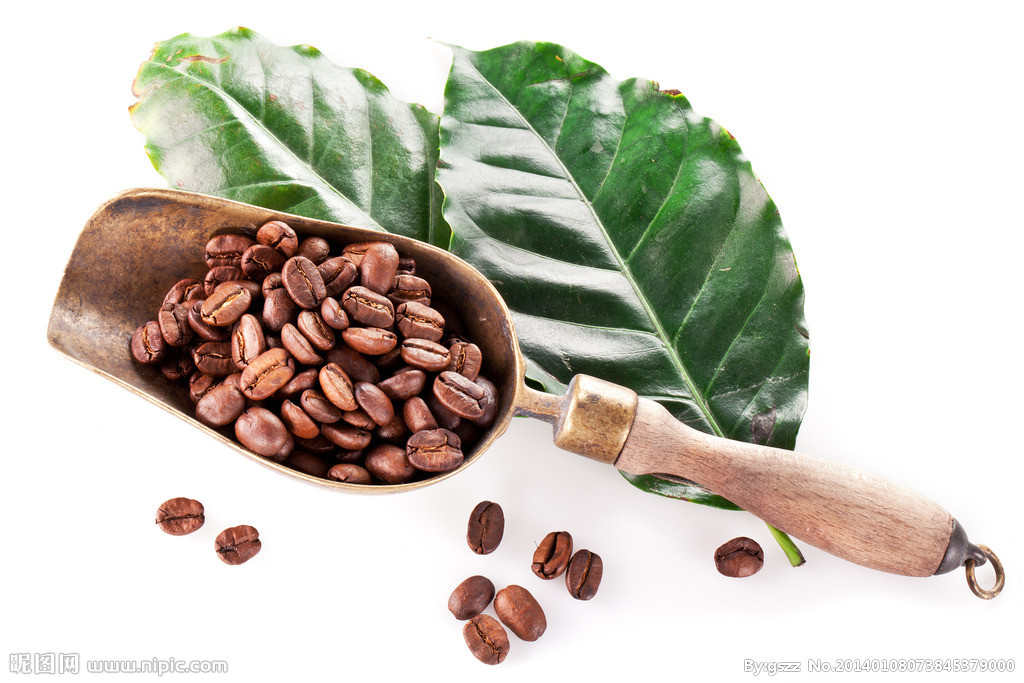
Yunnan has grown into China’s primary coffee-growing region. The province’s high altitudes, mild temperatures, and distinct dry and wet seasons mirror conditions in major coffee-producing countries. Today, Yunnan produces the majority of China’s coffee, much of it using washed processing and medium roasts to highlight its bright acidity and chocolatey, nutty profiles.
What Is Yunnan Arabica, or ‘’?
“Yunnan Arabica,” often called “” (small-grain coffee), refers to the Typica and other arabica varieties grown in Yunnan. It’s dubbed “small grain” because Typica produces smaller coffee cherries compared to other species like Robusta. The term reflects both its physical characteristics and its historical role as China’s original specialty coffee crop.
Frequently Asked Questions
When was coffee first planted in China?
Coffee was first planted in China in 1884 in Taiwan, when a British tea merchant introduced 100 arabica coffee plants. Mainland China’s first planting occurred in the early 1900s in Yunnan province, with the first trees introduced by a French missionary around 1904.
Where in China was the first coffee planted?
The first coffee in Chinese territory was planted in Taiwan in 1884. On the mainland, the first coffee trees were planted in Yunnan province, specifically in Binchuan County’s Zhugula Village, by a French missionary in the early 1900s.
What coffee variety was first grown in Yunnan?
The first coffee variety grown in Yunnan was Typica, brought by a French missionary from Vietnam in 1904. It is one of the oldest arabica cultivars and produces small coffee cherries, leading to the local name “” or small-grain coffee.
Did coffee originate in China?
No, coffee does not originate from China. The first coffee plants in China were introduced in the late 19th and early 20th centuries—from Taiwan in 1884 and Yunnan in the early 1900s—by foreign traders and missionaries, not native to the region.
Why is Yunnan important for coffee in China?
Yunnan is the most important coffee-growing region in China due to its altitude, climate, and fertile soils that mirror coffee-growing regions in Central and South America. It produces the vast majority of China’s coffee and is the origin of the country’s first successful arabica plantings.
Recommended FrontStreet Beans for Exploring Yunnan Coffee
Try FrontStreet Coffee’s Yunnan Arabica offerings to taste the origins of Chinese-grown coffee. Their Yunnan Small Bean Coffee uses washed processing and a medium roast to deliver soft notes of nut, chocolate, and mild plum acidity. For a deeper dive, the 2013 Natural Typica highlights the original Typica variety with bold berry, caramel, and dried apricot tones, finished with a tea-like aftertaste. Both beans offer an authentic glimpse into Yunnan’s coffee heritage. Freshly roasted within 5 days · Orders placed before 17:00 ship the same day · Next-day delivery across most of Guangdong Province.
FrontStreet Coffee is a long-established specialty coffee roaster in Guangzhou China, selling freshly roasted beans from its own farm in Yunnan as well as dozens of carefully selected single-origin beans from around the world for both pour-over and espresso. The products deliver consistently excellent quality and great value, with shipping within 24 hours. Guangzhou's FrontStreet Coffee shop is recommended by many coffee lovers, and the beans are now available online at the Tmall 。
Important Notice :
前街咖啡 FrontStreet Coffee has moved to new addredd:
FrontStreet Coffee Address: 315,Donghua East Road,GuangZhou
Tel:020 38364473