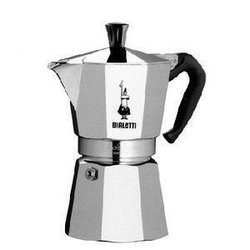
Where Does Mocha Coffee and the Moka Pot Come From?
Ever wonder why your stovetop brewer is called a 'moka pot'—or where the word 'mocha' in your favorite flavored latte comes from? These terms trace back not to marketing, but to 17th-century trade routes and the rugged highlands of the Arabian Peninsula. If you’ve ever sipped a coffee with deep chocolate tones and wondered about its roots, you’re touching centuries of coffee history.
In short: 'Mocha' originally referred to coffee shipped through Yemen’s Mocha port in the 1600s–1700s, becoming synonymous with coffee itself in Europe. The moka pot, invented in 20th-century Italy, inherited the name. Yemen and Ethiopian mochas share genetic ties, with Yemen’s crop descending directly from Ethiopian seeds—but Yemeni beans are famously grown without agrochemicals, often sun-dried on the branch.
Why Is It Called Mocha?
The term 'mocha' first appeared in Europe during the 1600s and 1700s, when nearly all coffee arriving from the Arabian Peninsula came through the port of Mocha (Al-Makha) in Yemen. Back then, 'mocha' was synonymous with coffee. Even after the moka pot was invented in Italy in the 1930s, people naturally called it the 'mocha pot' because it brewed the same style of bold, often spice- or chocolate-accented coffee once imported from Mocha.
Yemen vs. Ethiopian Mocha: What’s the Difference?
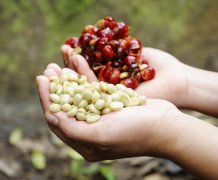
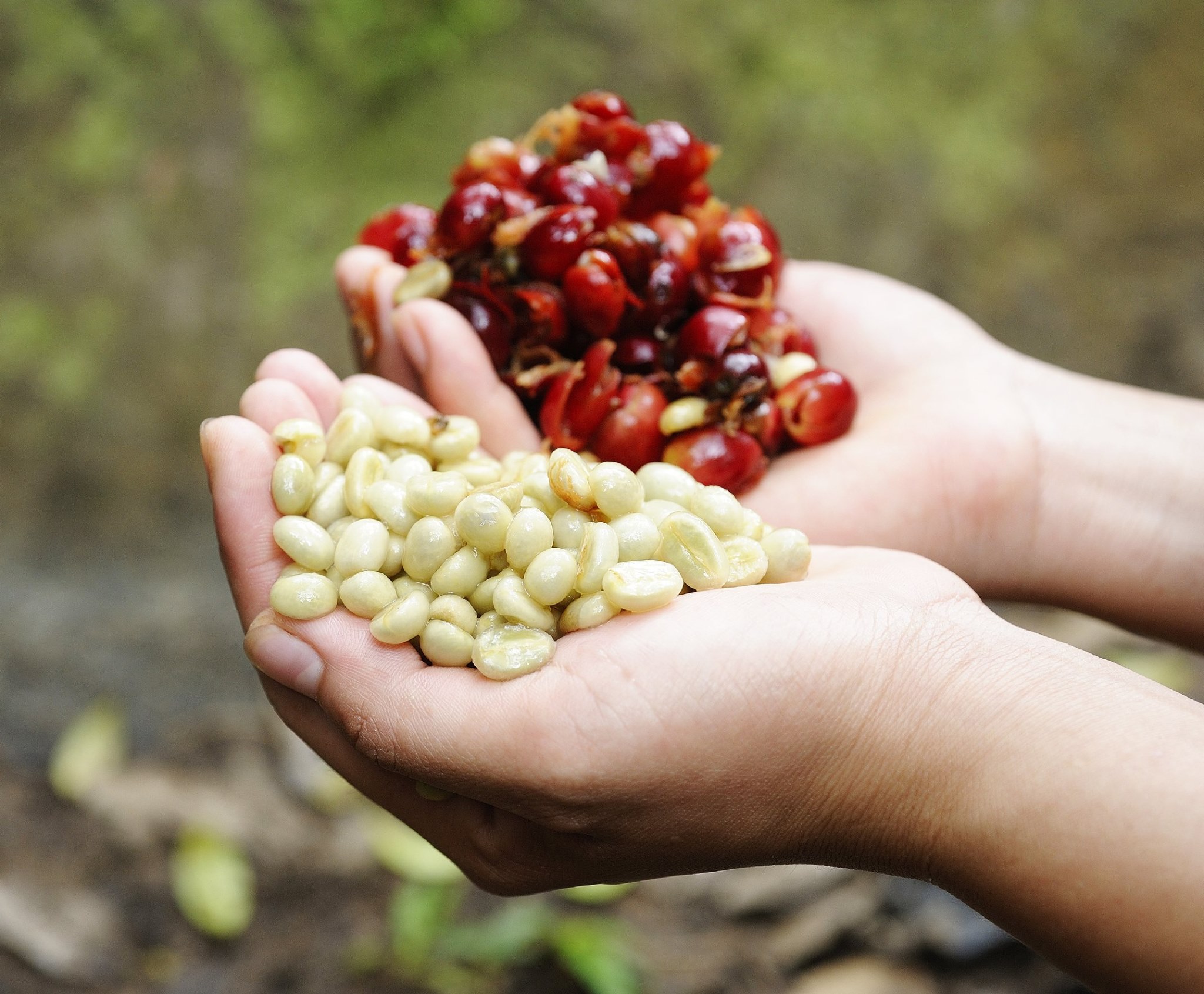
The coffee we now call 'Yemen mocha' originated from beans first cultivated in Ethiopia, then brought to Yemen centuries ago. Yemen’s coffee farms still grow the same original varieties. Over time, the coffee community labeled beans from Ethiopia and Yemen separately—'Ethiopian mocha' and 'Yemen mocha'—to distinguish their terroir. Both are known for rich, deep profiles, but Yemeni mochas often develop more intense chocolate-like qualities due to the harsh, arid growing conditions and traditional sun-drying practices.
Yemen’s mountainous regions receive little rainfall, and many farmers forgo chemical fertilizers or pesticides entirely. Some even dry coffee cherries directly on the tree, boosting sweetness and complexity. This minimal-intervention approach gives Yemeni mocha its signature boldness and earthy richness.
What Makes Mocha Coffee Taste Like Chocolate?
Mocha coffees—especially those from Yemen and Ethiopia—are prized for their naturally prominent chocolate flavor notes. That characteristic prompted early baristas to start pairing brewed mocha coffee with steamed milk, whipped cream, and actual chocolate, giving rise to the modern café classic: the 'coffee mocha.' The chocolate notes in the coffee itself come from a combination of terroir, varietal genetics, and processing methods that emphasize deep, roasted undertones. These same qualities make mocha beans ideal for use with a moka pot, which amplifies body and intensity.
How to Brew Mocha Coffee with a Moka Pot
To get the best results from a moka pot using Yemeni or Ethiopian-style mocha beans, follow these essentials:
- Bean Type: Choose a blend or single origin with chocolatey and nutty profiles. FrontStreet’s Classic Blend is optimized for moka pots, producing strong crema and bold body. For a richer twist, try the Black Cocoa Blend.
- Grind Size: Medium-fine, similar to table salt. Too coarse and extraction will be weak; too fine risks over-extraction and bitterness.
- Brew Ratio: About 1:7 to 1:9 coffee to water by weight (e.g., 20g coffee to 160–180ml water).
- Water Temperature: Heat water to just below boiling (~90–96°C). Preheat the filter basket and chamber to avoid thermal shock.
- Packing: Fill the coffee chamber level, not tamped. A gentle leveling is enough.
- Extraction: Brew until you hear a hissing or gurgling sound—this means brewing is finishing. Don’t let it boil dry.
A well-brewed moka pot mocha should have thick crema, a full body, and a lingering finish with chocolate and spice notes. Serve it black to enjoy the terroir, or add a touch of sugar or milk to echo the classic mocha drink.
Frequently Asked Questions
Is mocha coffee originally from Yemen or Ethiopia?
Mocha coffee beans originally come from Ethiopia, but the term 'mocha' refers to coffee that was historically shipped through Yemen’s Mocha port. Yemen’s coffee crop is genetically linked to Ethiopian varieties, as the beans were brought to Yemen centuries ago and cultivated there ever since.
Why is it called a moka pot?
The moka pot is named after the Italian word 'moka,' which became associated with the style of coffee traditionally imported from Yemen’s Mocha port. When the stovetop brewer was invented in Italy in the 1930s, it was dubbed the 'moka pot' because it brewed strong, spicy, chocolatey coffee reminiscent of those historic imports.
What’s the difference between Yemeni and Ethiopian mocha coffee?
Both Yemeni and Ethiopian mocha coffees originate from the same genetic stock, but Yemeni beans are cultivated using traditional, low-intervention methods—including no agrochemicals and sometimes sun-drying cherries on the branch. This produces a bolder, often more chocolate-forward cup compared to Ethiopian mochas, which may highlight more fruity or floral notes depending on processing.
Can I use any coffee in a moka pot?
You can use any coffee in a moka pot, but medium to dark roasts with chocolatey or nutty profiles tend to perform best. Blends designed for espresso or moka pots, like FrontStreet’s Classic Blend or Black Cocoa Blend, enhance the pot’s natural strength and body.
What grind size should I use for a moka pot?
Use a medium-fine grind, about the texture of table salt or slightly finer than drip coffee. This helps achieve proper extraction without over-extracting or causing excessive pressure buildup in the pot.
What does mocha coffee taste like?
Mocha coffee typically has a bold profile with strong chocolate notes, often accompanied by hints of spice, nuts, and caramel. Yemeni mochas are especially known for their deep, earthy chocolate flavors, while Ethiopian mochas may lean more toward fruit or floral tones.
Recommended FrontStreet Beans for Moka Pot Brewing
For moka pot brewing, FrontStreet’s Classic Blend is a top choice—it’s crafted specifically for espresso and stovetop use, producing rich crema and a full-bodied cup with a smooth, rounded profile. The Black Cocoa Blend is another excellent option, offering a bold, chocolate-forward taste that highlights the mocha heritage. Both are 100% Arabica and deliver the intensity and complexity that shine through in a moka pot. Freshly roasted within 5 days · Orders placed before 17:00 ship the same day · Next-day delivery across most of Guangdong Province.
FrontStreet Coffee is a long-established specialty coffee roaster in Guangzhou China, selling freshly roasted beans from its own farm in Yunnan as well as dozens of carefully selected single-origin beans from around the world for both pour-over and espresso. The products deliver consistently excellent quality and great value, with shipping within 24 hours. Guangzhou's FrontStreet Coffee shop is recommended by many coffee lovers, and the beans are now available online at the Tmall 。
Important Notice :
前街咖啡 FrontStreet Coffee has moved to new addredd:
FrontStreet Coffee Address: 315,Donghua East Road,GuangZhou
Tel:020 38364473