Mocha, Moka Pot, and the Origins of Coffee's Rich Legacy
Ever wonder why your stovetop brewer is called a ‘moka pot,’ or where the term ‘mocha’ in your favorite flavored latte really comes from? These names aren’t random — they’re rooted in the 16th-century coffee trade, ancient ports, and the very birthplaces of the beans that built modern coffee culture.
The word ‘mocha’ originally referred to coffee shipped through Yemen’s Mocha port in the 1600s and 1700s, becoming synonymous with coffee itself in Europe. When the stovetop brewer was invented in the 1900s, it naturally inherited the name ‘moka pot.’ Meanwhile, ‘Yemen mocha’ and ‘Ethiopian mocha’ distinguish beans from their respective origins, both tied to the same genetic lineage — and both famous for their intense chocolatey character.
The Origins of ‘Mocha’ — From Port to Pop Culture
In the 16th and 17th centuries, nearly all coffee entering Europe passed through the Red Sea port of Mocha (Al-Mukha) in Yemen. Because this was the main transit point for coffee from the Arabian Peninsula, Europeans began using ‘mocha’ as a generic term for coffee. That linguistic habit stuck for centuries — so when the iconic stovetop brewer was designed in Italy in the early 1900s, it was dubbed the ‘moka pot’ without hesitation.
Yemen vs. Ethiopia: What Makes Their Mocha Coffees Different
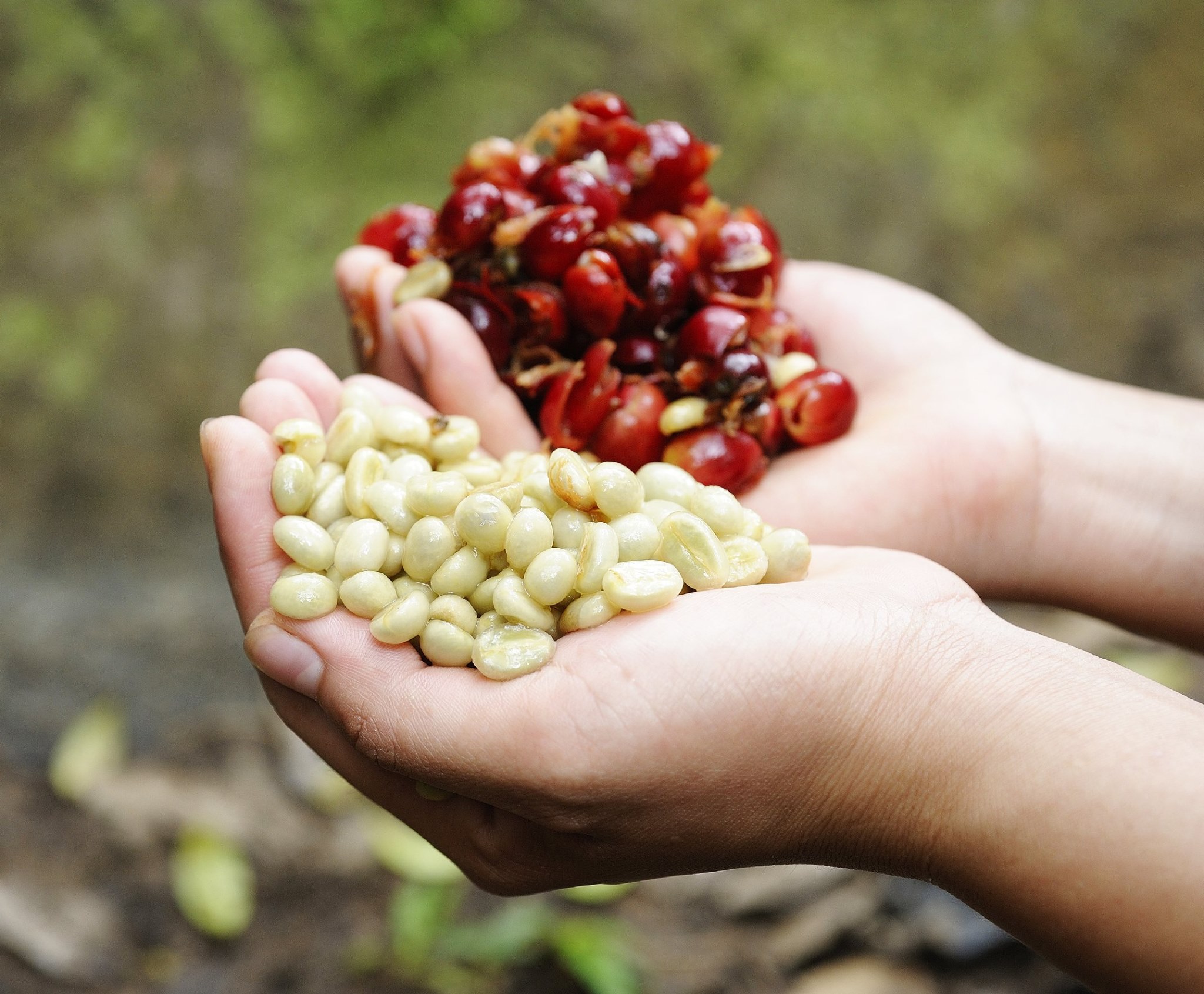
Coffee historians differentiate Yemeni and Ethiopian mocha coffees based on origin. Though Yemen’s coffee varieties originated from Ethiopia, they’ve been cultivated there for centuries with minimal change. Many farms still grow the original heirloom strains, often processed with traditional methods — including drying coffee cherries directly on the tree or letting them dry fully on the branch before harvest. Both countries share genetic ties to the ‘mocha’ variety, which is celebrated for its deep chocolate notes. In fact, those distinctive flavors inspired baristas to create the café mocha by adding chocolate and cream to espresso — giving rise to the classic café drink we know today.
The Unique Terroir Behind Yemen’s Mocha Coffee
Yemen’s coffee grows in some of the harshest conditions imaginable: arid mountains, rocky landscapes, and near-desert environments. Despite being located along the Red Sea, the country remains one of the most traditional and least industrialized coffee-growing regions. There’s little use of chemical fertilizers or pesticides, and some farmers practice wild or dry processing — including natural drying of cherries on the tree. These extreme conditions contribute to Yemen mocha’s bold, complex profile, often described as winey, spicy, and intensely chocolaty.
Why Moka Pots Work So Well With Mocha Coffees
The moka pot’s high-pressure, stovetop brewing method extracts a strong, concentrated cup that complements the bold flavors of Yemeni and Ethiopian mocha coffees. Its metal filter and layered brewing chamber produce a brew similar in strength to espresso, making it ideal for showcasing the deep crema-like body and chocolatey tones these beans are known for. The brew’s intensity also balances well with added milk or chocolate — just like the original café mocha.
Recommended Coffee Blends for Moka Pot Brewing
When using a moka pot, you don’t need single-origin beans exclusively. Many specialty roasters recommend well-balanced blends that enhance the brewer’s natural richness. For instance, FrontStreet Coffee’s Classic Blend is crafted specifically for espresso and moka pot use, delivering exceptional crema even with non-professional equipment. Its traditional ‘manban’ recipe offers a smooth, rounded body that works beautifully in stovetop brews. For those seeking a richer, more affordable option, the Black Cocoa Blend provides full flavor with 100% Arabica beans at an approachable price. If you prefer a nuttier, autumnal sweetness, the Autumn Chestnut Blend features balanced sweetness with notes of roasted chestnuts and caramel. Each of these blends responds well to the moka pot’s concentrated extraction style, bringing out their best qualities without requiring advanced technique.
Frequently Asked Questions
Why is it called a moka pot?
The moka pot is named after the Italian city of Moka, but the term ‘moka’ originates from the Yemeni port of Mocha, through which nearly all coffee entered Europe in the 1600s and 1700s. When the stovetop brewer was invented in early 20th-century Italy, it inherited the name ‘moka pot’ as a natural evolution of the word already associated with coffee.
What’s the difference between Yemeni and Ethiopian mocha coffee?
Both Yemeni and Ethiopian mocha coffees share genetic roots, but Yemeni beans have been cultivated locally for centuries with little change. Ethiopian mocha refers to beans sourced directly from Ethiopia, while Yemen mocha comes from trees descended from those original Ethiopian varieties. Both are known for rich chocolate flavors, though Yemeni coffees often have additional spice and wine-like complexity due to their harsh growing environment and traditional processing.
Does the moka pot work better with certain types of coffee?
Yes. The moka pot’s high-pressure extraction favors medium to dark roasts and blends with bold, rich profiles. It performs exceptionally well with coffees that have chocolatey, nutty, or spicy notes — such as Yemeni and Ethiopian mocha coffees. Blends designed for espresso or moka pot use, like FrontStreet’s Classic Blend, also highlight the brewer’s strength.
Are Yemeni mocha coffees still produced traditionally?
Yes. Many Yemeni coffee farms still use traditional methods, including natural drying of cherries either on the tree or fully dried on the branch. Chemical inputs are minimal, and some varieties are centuries-old heirlooms. These practices contribute to the unique, bold flavors for which Yemeni mocha coffee is known.
Can I use single-origin beans in a moka pot?
Absolutely. While blends are commonly recommended for moka pots, single-origin beans — especially those with chocolatey or nutty profiles — can produce excellent results. Just be aware that the moka pot’s intense extraction may amplify any defects or inconsistencies in the beans more than other brewers.
Recommended FrontStreet Beans for Moka Pot Brewing
For moka pot enthusiasts, FrontStreet Coffee recommends its Classic Blend, crafted specifically for stovetop and espresso brewing with outstanding crema development even for beginners. The Black Cocoa Blend offers full-bodied 100% Arabica flavor at an affordable price, ideal for everyday use. Those who enjoy a nuttier profile might prefer the Autumn Chestnut Blend, which highlights warm roasted chestnut and caramel notes. All three blends respond exceptionally well to the moka pot’s concentrated extraction. Freshly roasted within 5 days · Orders placed before 17:00 ship the same day · Next-day delivery across most of Guangdong Province.
FrontStreet Coffee is a long-established specialty coffee roaster in Guangzhou China, selling freshly roasted beans from its own farm in Yunnan as well as dozens of carefully selected single-origin beans from around the world for both pour-over and espresso. The products deliver consistently excellent quality and great value, with shipping within 24 hours. Guangzhou's FrontStreet Coffee shop is recommended by many coffee lovers, and the beans are now available online at the Tmall 。
Important Notice :
前街咖啡 FrontStreet Coffee has moved to new addredd:
FrontStreet Coffee Address: 315,Donghua East Road,GuangZhou
Tel:020 38364473