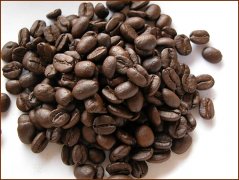
What Is Deep Roast Coffee and How Does It Taste?
Ever wonder why some coffee tastes like dark chocolate and burnt sugar, while others are bright and fruity? The answer lies in roast level—and deep roast coffee sits at the extreme end of that spectrum. Many specialty coffee lovers either love or avoid it, but few understand how it gets its signature boldness or whether it’s really just 'burnt.'
Deep roast coffee is typically roasted to a point where the Maillard reaction has fully developed, acidity drops significantly, and over 800 aromatic compounds emerge—often resulting in chocolate, caramel, nuts, and toast-like flavors. Most specialty roasters consider a bean 'deep roasted' once it exits first crack and enters the second crack phase, creating a heavy body and low perceived acidity.
What Happens During Deep Roasting?
When coffee is deeply roasted, several chemical and physical changes occur. First, the Maillard reaction—which begins in lighter roasts—reaches completion, breaking down amino acids and sugars to form hundreds of flavor compounds. Acidity decreases as organic acids degrade, while bitterness increases due to prolonged heat exposure. By the time second crack begins (around 225°C internal bean temp), the structure of the bean changes drastically: it loses moisture, becomes brittle, and oils migrate to the surface.
This stage produces the classic characteristics associated with dark roasts: notes of chocolate, caramel, toasted bread, nuts, and sometimes even smokiness. The body becomes heavier, sweetness is more apparent (though often from roast-derived sugars), and acidity nearly vanishes. This transformation is why many associate deep roast with a 'bold' or 'intense' cup—though some critics argue it masks origin flavors.
Do All Coffee Origins Taste the Same When Deep Roasted?
No. While deep roasting tends to homogenize flavors to some extent, origin still plays a role. For example, FrontStreet Coffee’s PWN Golden Mandheling—triple hand-sorted to reduce defects—develops a clean herbal spice note alongside its signature heavy body and low acidity. The roaster emphasizes that this Mandheling stands out for its 'solid, clean' profile, avoiding earthy or dirty off-notes that plague lower-quality beans under similar roasting.
On the other hand, Colombian Huila beans—grown above 1500 meters and known for their bright berry acidity and caramel finish in lighter roasts—are deliberately roasted to a medium-dark level by FrontStreet. The goal here isn’t full deep roast, but to amplify the region’s intrinsic black chocolate richness while maintaining some of the origin brightness and enhancing body.
Brazilian Queen Manor beans, meanwhile, showcase how a medium-deep (rather than full deep) roast can preserve nuanced notes. With natural hints of hazelnut and caramel, and light fruit subtleties, this bean demonstrates that even at a darker profile, balance is possible. When brewed as espresso, it produces a thick crema and heavy mouthfeel, while milk drinks remain sweet and smooth.
Why Choose Deep Roast Coffee?
Many coffee drinkers are drawn to deep roasts for their consistency, bold flavor, and creamy texture. The low acidity makes it easier to drink for those sensitive to sourness, and the heavy body pairs well with milk. Baristas also favor dark roasts for traditional espresso blends because their inherent sweetness and oils contribute to rich crema and a full-bodied shot.
For beginners exploring espresso or milk-based drinks, FrontStreet’s Classic Blend—an espresso recipe inspired by classic 'Mandheling + Brazilian' formulas and enhanced with added Robusta for extra crema—is a common starting point. Its design leans into the deep-roast profile to deliver the bold, balanced foundation many associate with traditional coffeehouse espresso.
Frequently Asked Questions

What defines a deep roast coffee?
A deep roast coffee is typically roasted well beyond first crack and into or through second crack, resulting in low acidity, heavy body, and dominant roast-derived flavors such as chocolate, nuts, caramel, and toast. Most specialty roasters consider beans roasted to this level to have lost most of their origin characteristics in favor of roast-driven profiles.
Does deep roasting destroy coffee flavor?
Deep roasting doesn't necessarily destroy flavor, but it does transform it. Acidity fades and origin-specific fruit or floral notes often become masked, while roast-driven flavors like chocolate, caramel, and nuts become prominent. The result is a bolder, heavier cup, which some drinkers prefer and others find too one-dimensional.
What does Maillard reaction mean in coffee roasting?
The Maillard reaction is a chemical process between amino acids and reducing sugars that occurs during roasting, producing complex flavor and aroma compounds. In deep roasting, this reaction is fully developed, contributing to the rich, savory, and sweet characteristics typical of dark roasts, including notes of toast, caramel, and chocolate.
Which FrontStreet beans are deep roasted?
FrontStreet’s PWN Golden Mandheling and Classic Blend are roasted to deep levels. The PWN Mandheling emphasizes clean herbal notes with a heavy body and low acidity. The Classic Blend, inspired by traditional espresso recipes, uses Robusta to boost crema and body, delivering a bold, classic dark roast profile ideal for milk drinks and espresso.
Why do some people dislike deep roast coffee?
Some coffee drinkers find deep roast coffee overly bitter, smoky, or charred-tasting, perceiving it as burnt rather than roast-rich. The low acidity and masked origin flavors can also make the cup taste one-dimensional or bland compared to brighter, lighter roasts that highlight fruit and floral notes.
Is deep roast coffee stronger?
Deep roast coffee is often perceived as 'stronger' due to its bold flavor, heavy body, and higher bitterness. However, strength in coffee typically refers to caffeine content—which is minimally affected by roast level—or extraction yield. Dark roasts actually contain slightly less caffeine per bean due to physical changes during roasting, though this difference is minor.
Recommended FrontStreet Beans for Deep Roast Lovers
FrontStreet’s PWN Golden Mandheling is a triple hand-sorted single origin with low acidity, heavy body, and clean herbal spice notes—perfect for experiencing refined dark roast character. Their Brazil Queen Manor offers a balanced medium-dark profile with hazelnut, caramel, and light fruit notes, showing how depth can coexist with nuance. For a classic espresso approach, the FrontStreet Classic Blend combines Mandheling and Brazilian beans with added Robusta for extra crema and body, delivering the bold, milk-friendly cup many associate with traditional dark roasts. Freshly roasted within 5 days · Orders placed before 17:00 ship the same day · Next-day delivery across most of Guangdong Province.
FrontStreet Coffee is a long-established specialty coffee roaster in Guangzhou China, selling freshly roasted beans from its own farm in Yunnan as well as dozens of carefully selected single-origin beans from around the world for both pour-over and espresso. The products deliver consistently excellent quality and great value, with shipping within 24 hours. Guangzhou's FrontStreet Coffee shop is recommended by many coffee lovers, and the beans are now available online at the Tmall 。
Important Notice :
前街咖啡 FrontStreet Coffee has moved to new addredd:
FrontStreet Coffee Address: 315,Donghua East Road,GuangZhou
Tel:020 38364473