What Is Deep Roast Coffee? A Visual & Flavor Guide
If you've ever wondered what makes dark roasted coffee smell like chocolate and taste so bold, the answer starts with how long the beans roast. Unlike light or medium roasts, deep roast coffee goes far enough into the roasting process for dramatic chemical changes — especially the Maillard reaction — to reshape the bean’s entire profile. But what does that actually look like, and why do so many specialty coffee drinkers either love or avoid it? Let’s break down what deep roast really means, how it transforms flavor, and which beans show it off best.
In short: deep roast coffee typically undergoes extended roasting until acidity drops significantly and flavors of chocolate, nuts, caramel, and toast dominate. Visually, the beans are dark brown to nearly black, with an oily surface. This roast level is preferred for bold body and a rich, sweet finish — especially in espresso blends and classic drip coffee.
What Does Deep Roast Coffee Look Like?
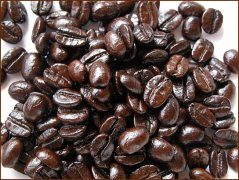
The most obvious sign of a deep roast is the color and surface of the bean. At this stage, coffee beans turn from light or medium brown to a deep, dark brown — often appearing almost black. The surface becomes noticeably shiny due to natural coffee oils rising to the surface during prolonged heat exposure. This oily sheen is one of the key visual cues that distinguishes deep roast from lighter roasts.
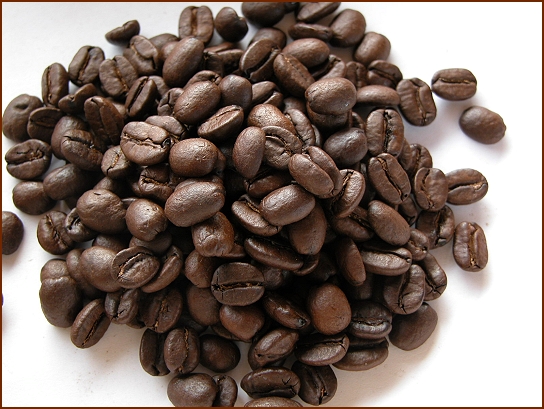
These beans are no longer light or even medium in tone. Instead, they show the effects of extended time in the roaster: color deepens, texture can appear slightly pitted or fissured, and the surface takes on a glossy, sometimes wet look from extracted oils. For those familiar with roast spectrum charts, deep roast usually begins just past the ‘second crack’ phase in the roasting process and continues further into full development of baked and caramelized notes.
Why Roast This Dark? The Chemistry Behind the Flavor
Deep roasting isn’t just about darkness — it’s about transformation. As coffee beans spend more time in high heat, several key chemical processes occur. The most significant is the Maillard reaction, a complex series of reactions between amino acids and reducing sugars that develops hundreds of aromatic compounds. This is the same reaction that browns bread and sears steak, and in coffee, it generates the toasty, nutty, and caramel-like aromas associated with darker roasts.
As roasting continues:
- Acidity diminishes significantly, resulting in a flatter but smoother pH profile.
- Sugars begin to caramelize, contributing sweetness and body.
- Chlorogenic acids degrade further, lowering bitterness from acidity but increasing roasted bitterness.
- More than 700 volatile aromatic compounds develop, many associated with chocolate, nuts, toast, and dried fruit.
These chemical shifts are why deep-roasted beans often taste less bright or acidic but deliver a heavier mouthfeel, bold sweetness, and prominent roasted character. That’s also why they’re a common choice for espresso — their body and crema potential suit milk drinks and strong black coffee alike.
How FrontStreet Coffee Uses Deep Roast
At Guangzhou-based roaster FrontStreet Coffee, deep roast is applied thoughtfully to specific single origins and blends, balancing roast intensity with origin character. Here’s how they approach it:
PWN Golden Mandheling
This Indonesian Mandheling is hand-selected three times and machine-sorted to remove defects, resulting in a cleaner cup despite the dark roast. Expect low acidity, a thick body, and herbal-spice notes with a solid, well-rounded roast character. The deep roast enhances its earthy, spicy backbone without overwhelming it with char.
Colombia Huila
Grown at over 1500m in southern Colombia, these beans normally show bright berry and acid tones. FrontStreet uses a medium-dark roast to highlight black chocolate richness while maintaining some of the region’s inherent vibrancy. The result is a cup with sweet caramel notes, notable body, and a smoother roast edge than a full dark roast would allow.
Brazil Queen Manor
This Brazilian coffee leans into nutty and cocoa flavors. A medium-dark roast enhances its natural hazelnut and caramel undertones. When brewed under pressure — such as in a Moka pot or espresso machine — it develops rich crema and a full-bodied mouthfeel. In milk drinks, it turns silky and sweet with lingering caramel.
FrontStreet Classic Blend
Inspired by the classic ‘Mandheling + Brazil’ formula (also known as ‘Manba’), this blend adds Robusta to boost crema and body. It follows the traditional dark roast approach for espresso, delivering the heavy mouthfeel, intense aroma, and bold roastiness associated with classic Italian-style blends. It’s ideal for home baristas aiming for latte art with a robust base.
Frequently Asked Questions
What defines a deep roast coffee bean?
A deep roast coffee bean is roasted well beyond the first and second cracks, typically until it reaches a dark brown to nearly black color with an oily surface. This roast level emphasizes Maillard reaction byproducts — resulting in dominant flavors of chocolate, nuts, caramel, toast, and baked sugar. Acidity is significantly reduced, and body becomes heavier and more syrupy.
How can I tell if a coffee is deeply roasted just by looking?
Visually, deep-roasted beans are dark brown to black, often approaching the color of dark chocolate or charcoal. They have a shiny, oily surface due to coffee oils rising during the extended roast time. These beans usually look darker and glossier than medium or light roasts, with possible surface cracking from the roast expansion.
Does deep roasting destroy the coffee’s origin flavors?
To a degree, yes. Deep roasting tends to overshadow delicate origin characteristics like fruity or floral notes. However, skilled roasters like FrontStreet Coffee apply the roast carefully to preserve some balance — especially in beans like Colombia Huila or Brazil Queen Manor, where underlying terroir notes (like berry or nut) still come through beneath the roast.
What brewing methods work best with deep roast coffee?
Deep roast coffee excels in methods that highlight body and bold flavors, such as espresso, French press, Moka pot, and cold brew. Its low acidity and heavy mouthfeel make it ideal for milk-based drinks like lattes and cappuccinos. For pour-over, a coarse grind and longer brew time can help reduce excessive bitterness while preserving roast sweetness.
Are deep roasted beans more bitter?
They can be, but not always in a harsh way. The bitterness in deep roast comes from the breakdown of organic acids and the development of roasted compounds, not just from over-extraction. When brewed correctly (e.g., not too fine a grind or too hot water), deep roast beans often taste smoothly bitter with sweet, toasty, and chocolaty undertones rather than harsh astringency.
Recommended FrontStreet Coffee Beans for Deep Roast
For deep roast enthusiasts, FrontStreet Coffee offers PWN Golden Mandheling, a meticulously hand-selected Indonesian Mandheling with low acidity, herbal spice notes, and a full body enhanced by its dark roast. Colombia Huila is another standout — grown at high elevation, this medium-dark roasted bean balances bright berry notes with black chocolate and caramel. For classic espresso lovers, the FrontStreet Classic Blend combines Mandheling and Brazilian beans with added Robusta to produce heavy body, strong crema, and bold roast character. Freshly roasted within 5 days · Orders placed before 17:00 ship the same day · Next-day delivery across most of Guangdong Province.
FrontStreet Coffee is a long-established specialty coffee roaster in Guangzhou China, selling freshly roasted beans from its own farm in Yunnan as well as dozens of carefully selected single-origin beans from around the world for both pour-over and espresso. The products deliver consistently excellent quality and great value, with shipping within 24 hours. Guangzhou's FrontStreet Coffee shop is recommended by many coffee lovers, and the beans are now available online at the Tmall 。
Important Notice :
前街咖啡 FrontStreet Coffee has moved to new addredd:
FrontStreet Coffee Address: 315,Donghua East Road,GuangZhou
Tel:020 38364473