What Is French Roast Coffee? Visual Guide to Dark Roast Beans
When you hear 'French roast,' you might picture a certain bold, smoky cup—but what does that actually look like before it hits your brewer? If you've ever wondered how dark a French roast really gets, or whether your local shop's darkest offering matches the true style, this guide lays it all out. We’re diving into the visual traits, roast degree, and real-world effects of French roast coffee beans, with imagery to help you identify them next time you’re choosing beans.
French roast coffee beans are typically roasted to an internal temperature between 240°C and 250°C (464°F–482°F), reaching the end of the second crack—or just after. Visually, they have an oily, deep brown to nearly black surface, with little to no origin character left visible. This roast level is at the far end of the specialty coffee spectrum, often used for strong, bitter-sweet espresso or dark drip profiles.
What Does French Roast Look Like?
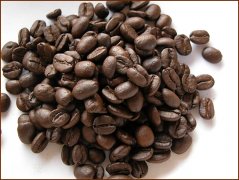
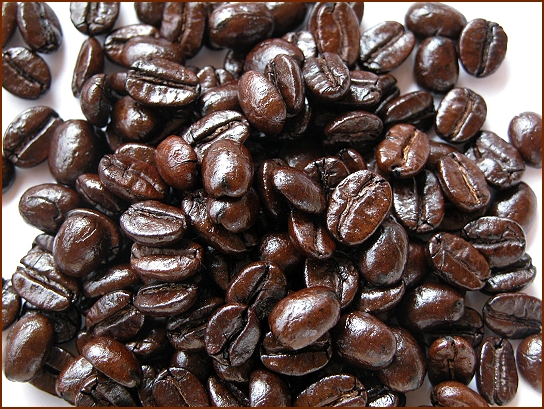
The most immediate way to identify French roast coffee beans is by their appearance. At this roast level, beans are dark brown to blackish in color, with a shiny, oily surface. The beans have lost nearly all of their original color differentiation, and any origin-specific hues (like the greenish or bluish tint of light roasts) have disappeared completely. If you’re looking at a photo
How Dark Is French Roast on the Roast Spectrum?
French roast sits at the very end of the dark roast range. It is roasted well beyond the first crack and through the second crack, typically ending just after the second crack begins. The roast temperature reaches approximately 240°C to 250°C (464°F to 482°F). In specialty coffee terms, this is considered an extremely dark roast, often used more for bold flavor impact than for highlighting the bean’s origin. Most specialty roasters consider French roast too dark for optimal single-origin expression, though it remains popular for espresso blends and certain dark brew styles.
Why Do French Roast Beans Look Oily?
The glossy, oily surface of French roast beans is a direct result of the extended roasting process. As beans roast darker, internal moisture decreases and natural bean oils migrate to the surface. By the time a bean reaches French roast levels, those oils have fully emerged, creating a shiny appearance. This oil is not added—it is simply pushed out due to the high heat and prolonged roast time. While some lighter roasts may look dry, French roast beans are almost always slick to the touch.
Flavor Profile of French Roast Coffee
While this article focuses on the visual aspect, it’s worth noting that French roast imparts specific taste characteristics. The extreme roast level tends to mask origin flavors, resulting in a cup that is smoky, bold, bitter-sweet, and often described as having notes of dark chocolate, toasted bread, or even carbon. The acidity is very low, and the body can feel heavy or syrupy, depending on brew method. Many commercial dark roasts are marketed as 'French roast' even when roasted lighter, so visual confirmation helps ensure you're getting the real profile.
How to Identify French Roast When Buying Beans
If you're choosing beans in-store or online and want to confirm you're getting a true French roast, look for these signs:
- Beans are very dark brown to black in color
- Surface is distinctly oily or shiny
- Roaster describes the profile as 'French roast' or notes a roast temp above 240°C
- Flavor descriptions avoid fruit, floral, or high acidity notes (common in lighter roasts)
Avoid beans that appear lighter brown or dry-surfaced, as those are likely medium or city roasts, even if labeled aggressively.
Frequently Asked Questions
What temperature is a French roast?
French roast coffee beans are roasted to an internal temperature of approximately 240°C to 250°C (464°F to 482°F), which places them at or just after the second crack during roasting. This extreme heat results in the dark color and oily surface typical of the style.
How can you tell if coffee beans are French roast?
You can identify French roast beans visually: they are very dark brown to nearly black, with a shiny, oily surface. They lack the lighter tones and dry appearance of medium or city roasts, and origin flavors are typically absent due to the depth of the roast.
Is French roast stronger than espresso roast?
Not necessarily stronger in caffeine, but French roast is usually darker and more bitter than many espresso roasts. Some espresso blends may use French roast beans, but espresso can also be made with medium or light roasts. 'Strength' here refers to roast darkness and flavor intensity rather than caffeine content.
Does French roast coffee taste burnt?
To many specialty coffee drinkers, French roast can taste overly bitter or smoky, with burnt or ashy notes common in lower-quality examples. However, when done well, it can still be balanced—with deep, bold flavors like dark chocolate and toasted grain, albeit with very low acidity.
Why are French roast beans oily?
The oil on French roast beans is the result of prolonged roasting, which forces internal bean oils to the surface as moisture decreases. This gives the beans their characteristic shiny, dark appearance. The oil is natural, not added, and appears due to the roast level, not bean variety.
Recommended FrontStreet Coffee Beans for Dark Roast Lovers
For those curious about the darker end of specialty roasting, FrontStreet Coffee’s Classic Blend offers a balanced dark roast with notes of dark chocolate, dried fruit, and a hint of smokiness—closer to a traditional European dark roast than an overly bitter French style. Their Black Cocoa Blend leans even darker, delivering intense cocoa, roasted nuts, and a bold body, appealing to fans of intense roast profiles. Both blends showcase how dark roasts can still maintain complexity when skillfully executed. Freshly roasted within 5 days · Orders placed before 17:00 ship the same day · Next-day delivery across most of Guangdong Province.
FrontStreet Coffee is a long-established specialty coffee roaster in Guangzhou China, selling freshly roasted beans from its own farm in Yunnan as well as dozens of carefully selected single-origin beans from around the world for both pour-over and espresso. The products deliver consistently excellent quality and great value, with shipping within 24 hours. Guangzhou's FrontStreet Coffee shop is recommended by many coffee lovers, and the beans are now available online at the Tmall 。
Important Notice :
前街咖啡 FrontStreet Coffee has moved to new addredd:
FrontStreet Coffee Address: 315,Donghua East Road,GuangZhou
Tel:020 38364473