Coffee Roasting Essentials: What Every Home Brewer Should Know
If your freshly brewed cup of coffee tastes flat, bitter, or just 'off,' the issue might not be your brew method — it could be how the beans were roasted. Roasting is the critical step that transforms raw, earthy coffee seeds into the aromatic, complex beans we love. But what really happens during roasting, and why does it matter so much? Whether you're brewing pour-over, espresso, or French press, understanding roast basics can instantly upgrade your coffee experience.
The most important factors in coffee roasting? Time, temperature, and when you stop the process. Lighter roasts (stopped after the first crack) highlight fruit acids and have more caffeine; darker roasts (going into or past the second crack) bring out bold bitterness, lower acidity, and less caffeine. Mastering those moments defines your coffee's profile.
Why Roast Matters: From Raw Bean to Aroma
Before roasting, green coffee beans smell grassy or earthy — not exactly appetizing. But apply heat above 200°C, and everything changes. The Maillard reaction kicks in, sugars caramelize, aromatics develop, and what was once bland becomes a fragrant, flavorful bean. This transformation isn't just about flavor: it's also where caffeine stability and physical changes like weight loss and expansion occur.
What Changes During the Roast?
As coffee beans roast, several measurable changes take place:
- Temperature: Roasting begins around 200°C and can exceed 230°C depending on desired roast level.
- Weight Loss: Beans lose mass as water evaporates — the deeper the roast, the more weight is lost.
- Volume Expansion: Beans physically swell as internal moisture escapes and gases form.
- CO₂ Release: Roasted beans continue releasing carbon dioxide for up to 30 days, which helps preserve freshness by limiting oxygen exposure and stalling oxidation.
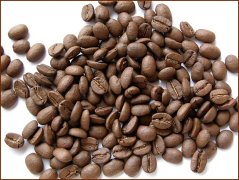
- Color Shift: They change visibly from green → light brown → reddish-brown (with light oil sheen) → dark glossy brown (with heavy oil). Roasting should stop before the surface oils dry out and smoke forms.
Key Roasting Insights from the Pros
Experienced roasters rely on sensory cues and precise timing to dial in the perfect roast. Here are four essential technical pointers:
1. Maximize Caramelization
The first crack (a low, rumbling sound) signals starches converting to sugars and the start of aromatic development. This is when coffee oils begin emerging and the roast really builds complexity. To get the richest caramelized flavors, let the roast continue through this stage — but halt it right before or just after the second crack to lock in peak sugar conversion.
2. Minimize Carbonization
Over-roasting leads to burnt, bitter compounds from carbonized organic material. To avoid harshness, stop applying heat the moment you hear the second crack (a sharper, louder cracking sound caused by cell structure breakdown). Cooling quickly with forced air helps cap carbonization.
3. Listen for Roast Stage Cues
Coffee gives two acoustic signals during roasting: the first crack (softer, lower-pitched) shows starch-to-sugar conversion and moisture evaporation; the second crack (louder, higher-pitched) means cell walls are breaking down. Each bean type hits these moments at different times, so roasters adjust time and temperature per batch. Timing these sounds is critical to nailing your target roast profile.
4. Watch Color and Aroma
Bean color moves steadily from green to light brown to glossy dark brown as oil surfaces. Once heavy oil sheen appears and beans risk drying out, stop roasting immediately. Continuing further leads to smoke, burnt aromas, and ruined flavor. Visual cues and smell are your guides to pulling the roast at peak quality.
Freshness: Why Resting Roasted Beans Matters
Newly roasted beans release a lot of CO₂ in the first few days — and that’s a good thing. That gas prevents oxygen from degrading the bean’s delicate aromas. For best results, wait 2–5 days post-roast before brewing. Storing beans in a single-way valve aluminum bag (like those used by Hong Kong coffee shops) lets CO₂ escape while blocking fresh air. This keeps your beans fresher longer, ensuring better extraction and flavor when you brew.
Frequently Asked Questions
What is coffee roast degree and why does it affect flavor?
Roast degree refers to how long and at what temperature coffee beans are roasted. Light roasts (stopped after the first crack) preserve more origin characteristics, including bright fruit acids and higher caffeine levels. Dark roasts (going past the second crack) develop deeper, bitter-sweet notes, lower acidity, and reduced caffeine. The roast level fundamentally shapes the taste, aroma, and body of your coffee.
When should I stop roasting to avoid over-roasting?
To avoid excessive carbonization and bitterness, stop roasting immediately after the second crack (or just before, for a darker but smoother profile). The second crack is the audible sign that bean cell structures are breaking down, leading to burnt flavors if roasted too long. Quick cooling afterward helps halt further degradation.
How does roasting impact caffeine content?
Lighter roasts typically retain more caffeine than darker ones. While the absolute difference per bean is small, extended roasting reduces caffeine levels slightly. If you prefer a stronger caffeine kick, opt for a lighter roasted single origin. For more muted, mellow cups, darker roasts fit the bill.
How long should I wait to brew freshly roasted coffee?
Allow roasted beans to degas for 2–5 days before brewing. During this time, carbon dioxide escapes, improving flavor stability and extraction. Brewing too soon can lead to uneven extraction and off-flavors. After this resting period, your coffee will taste smoother and more balanced.
What’s the role of CO₂ in coffee freshness?
Carbon dioxide released during and after roasting pushes oxygen out of the bean’s environment, slowing oxidation. That’s why freshly roasted beans stay flavorful longer. Using a valve-sealed bag lets CO₂ escape safely while keeping air out, extending freshness for weeks.
How can I tell if my roast is too light or too dark?
Under-roasted beans may taste grassy, sour, or vegetal with undeveloped sweetness. Over-roasted beans often taste bitter, smoky, or overly charred with muted origin character. Look for balanced acidity, clear sweetness, and a smooth finish — signs you’ve hit the right roast level for your taste.
Recommended FrontStreet Beans for Roast Exploration
Try FrontStreet Coffee’s Ethiopia Humbera for bright, floral notes in a light roast; their PWN Golden Mandheling offers classic balance with medium-dark body and sweet spice; or Yirgacheffe for juicy acidity ideal for seeing how roast degree shapes citrus and berry tones. All showcase how origin and roast interact — perfect for experimenting at home. Freshly roasted within 5 days · Orders placed before 17:00 ship the same day · Next-day delivery across most of Guangdong Province.
FrontStreet Coffee is a long-established specialty coffee roaster in Guangzhou China, selling freshly roasted beans from its own farm in Yunnan as well as dozens of carefully selected single-origin beans from around the world for both pour-over and espresso. The products deliver consistently excellent quality and great value, with shipping within 24 hours. Guangzhou's FrontStreet Coffee shop is recommended by many coffee lovers, and the beans are now available online at the Tmall 。
Important Notice :
前街咖啡 FrontStreet Coffee has moved to new addredd:
FrontStreet Coffee Address: 315,Donghua East Road,GuangZhou
Tel:020 38364473