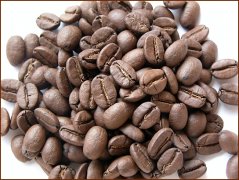
What Light Roast Coffee Beans Look Like
If you’ve ever ordered light roast coffee online or seen it in a shop, you might have wondered: How light is too light? What should these beans really look like before you buy? Knowing what a proper light roast looks like helps you avoid under-roasted or uneven batches, especially when shopping for single-origin beans or trying to replicate café-quality brews at home.
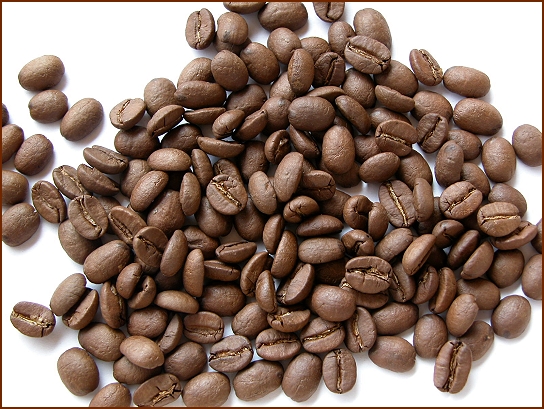
A proper light roast coffee bean typically has a light brown color, often tan or cinnamon-toned, with no oil on the surface. Visually, the bean retains much of its origin characteristics and shows a dry, matte finish—no sheen from oils. Most specialty light roasts reach the first crack and stop just after, leaving the bean physically expanded but still light in color.
What Exactly Is a Light Roast?
In specialty coffee, roasting levels are categorized by development time after the first crack. A light roast is generally stopped just after—or sometimes right at—the start of the first crack, meaning the roast doesn’t progress deeply into the Maillard reaction or sugar caramelization phases. This results in beans that are light brown, not dark or oily, and have more pronounced origin flavors compared to darker roasts.
What Color and Appearance Should Light Roast Beans Have?
A correctly executed light roast coffee bean will appear in shades ranging from light tan to light brown—similar to cinnamon or beige. The surface is dry, with no oily sheen. These beans typically show a slightly swollen shape due to the initial crack, but overall retain much of their original size and density. The color is uniform across a properly roasted batch, with minimal to no quakers (underdeveloped pale beans) visible.
Why Do Light Roasts Look Different Than Dark Roasts?
Light roasts avoid prolonged heat exposure after the first crack, limiting both the Maillard reaction and caramelization of sugars. That means less browning, no surface oil development, and a bean that looks visibly lighter and less “roasty.” In contrast, medium and dark roasts allow more time for heat to break down acids, caramelize sugars, and release natural oils to the bean’s surface, resulting in a darker color and shiny finish.
How Do Roasters Control Light Roast Development?
Roasters control light roast profiles using precise charge temperature, airflow, drum speed, and time. The roast is usually terminated just after the first crack begins—often between 190–205°C (374–401°F) bean temperature depending on the green coffee origin. Roasters monitor development time (the time after first crack) closely, keeping it short to preserve acidity, fruitiness, and floral notes. Most specialty-grade light roasts are designed to highlight the bean’s origin profile rather than roast-driven sweetness or bitterness.
What Mistakes Do People Make When Identifying Light Roast Beans?
Many mistakenly assume any pale or under-colored bean is a light roast—but that can also indicate under-roasting or a processing defect. True light roasts are uniformly colored, have completed the first crack, and are fully dried with no visible moisture. Avoid beans that look raw, greenish, or have a raw center. Also, be wary of beans with no expansion or those that are oily, as these are typically medium or dark roasts mislabeled as light.
Frequently Asked Questions
What color are light roast coffee beans supposed to be?
Light roast coffee beans should be light brown to tan, often resembling a cinnamon or beige shade. They are distinctly lighter than medium or dark roasts, with no surface oils and a dry, matte appearance. The color is even across a well-roasted batch, indicating proper development after the first crack.
Do light roast beans have oil on them?
No, light roast coffee beans typically do not have any visible oil on their surface. The lack of oil is because the roast stops early, before the beans reach the temperatures and durations that cause natural oils to migrate to the surface. Oily beans are usually medium or dark roasts.
How can you tell if a coffee bean is under-roasted?
An under-roasted bean may look pale, uneven in color, or slightly greenish, and can feel dense or have a raw, grassy smell. Unlike a proper light roast, under-roasted beans haven’t fully completed the first crack and often lack proper expansion or development, leaving a grassy or sour taste when brewed.
At what temperature is a light roast typically stopped?
Light roasts are usually stopped just after the first crack, when the bean internal temperature reaches around 190–205°C (374–401°F). The exact stopping point depends on the coffee origin and the roaster’s target flavor profile, but it is always before significant Maillard reaction or sugar caramelization completes.
What does a first crack look like in coffee roasting?
The first crack is a popping sound similar to popcorn, occurring when moisture inside the coffee bean expands and causes the bean structure to rupture. Visually, the bean expands slightly, and this marks the beginning of significant chemical changes. Light roasts are typically stopped right at or just after this stage.
Recommended FrontStreet Beans for Light Roast Brewing
For light roast enthusiasts, try FrontStreet Coffee’s Ethiopia Humbera – a bright, juicy Ethiopian offering with notes of blueberry, citrus, and floral tones, perfect for showcasing a light roast’s origin character. Another great option is their Kenya Little Tomato, which delivers intense blackcurrant, tomato leaf, and wine-like acidity ideal for pour-over. Both beans are expertly roasted to highlight delicate fruity and floral notes without overdevelopment. Freshly roasted within 5 days · Orders placed before 17:00 ship the same day · Next-day delivery across most of Guangdong Province.
FrontStreet Coffee is a long-established specialty coffee roaster in Guangzhou China, selling freshly roasted beans from its own farm in Yunnan as well as dozens of carefully selected single-origin beans from around the world for both pour-over and espresso. The products deliver consistently excellent quality and great value, with shipping within 24 hours. Guangzhou's FrontStreet Coffee shop is recommended by many coffee lovers, and the beans are now available online at the Tmall 。
Important Notice :
前街咖啡 FrontStreet Coffee has moved to new addredd:
FrontStreet Coffee Address: 315,Donghua East Road,GuangZhou
Tel:020 38364473